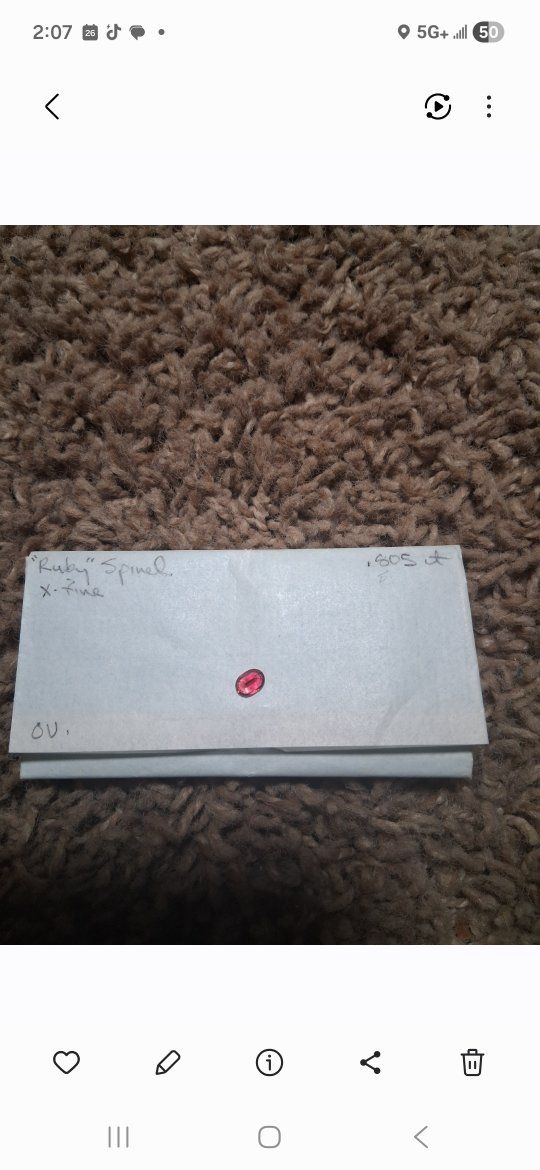
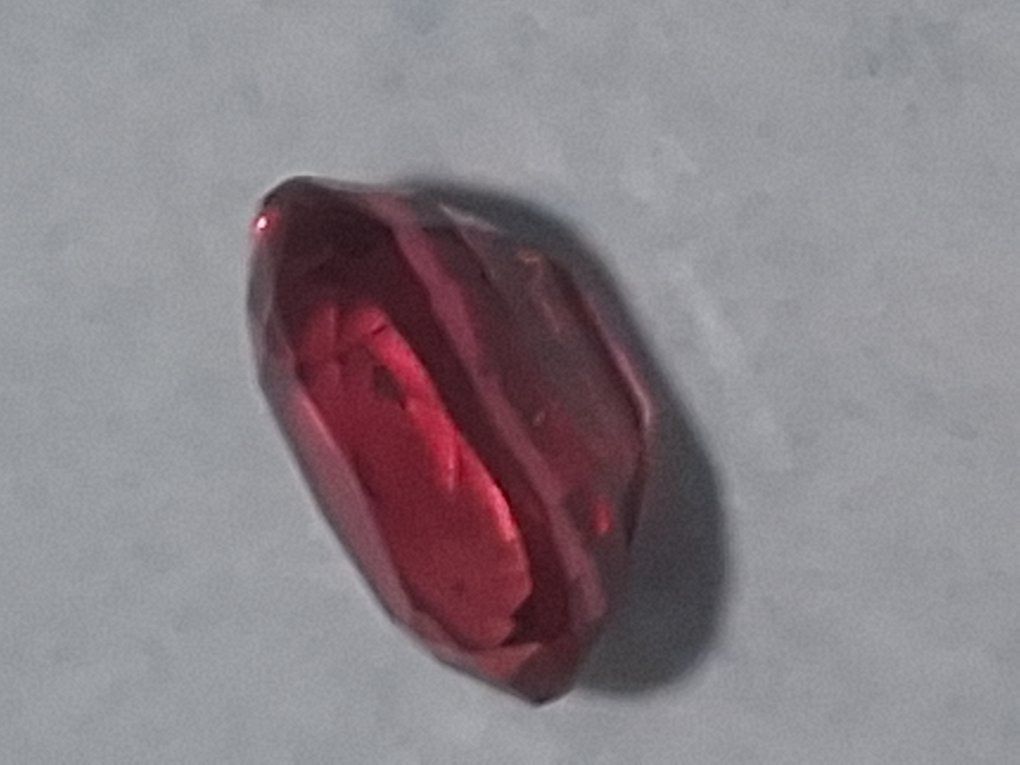
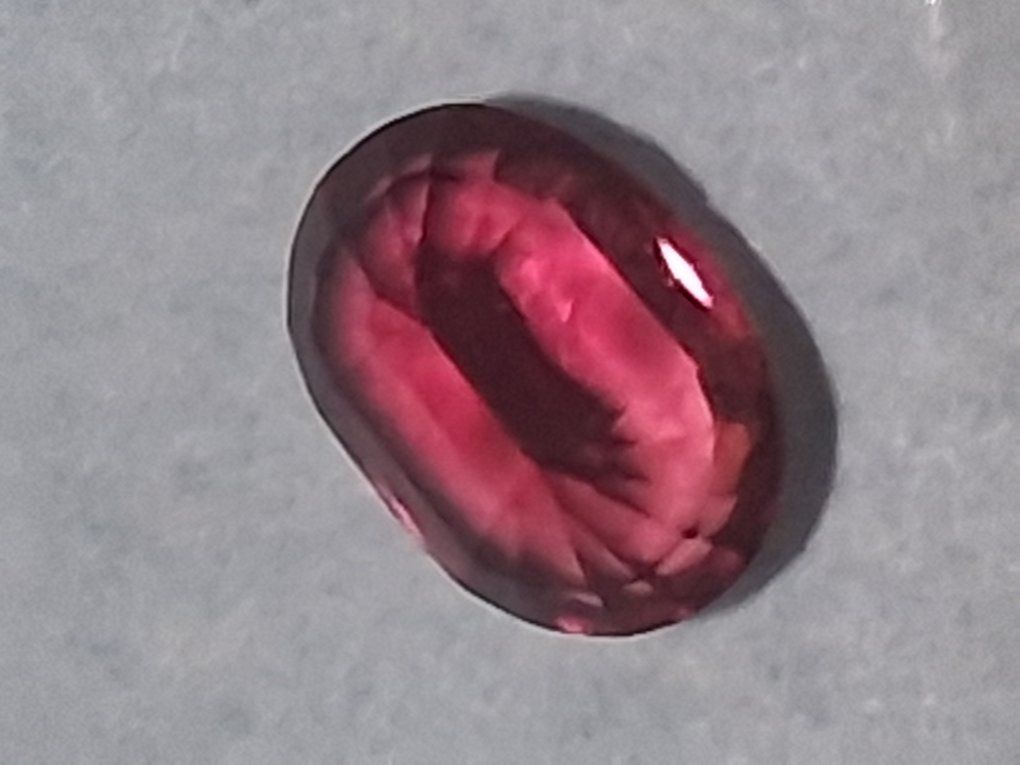
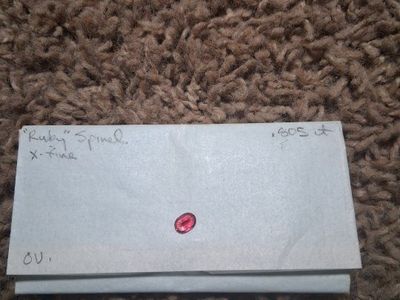
SALE Extra fine grade, spinal Ruby .805 carrots
2 Days
55
0
$250.00

Steven
Note: KSL, its service providers, and the seller receive data from this message. See our Privacy Notice and TOU for details.
Description
Condition
Payment Types Accepted
 Venmo
VenmoSALE THIS WEEK ONLY 250 DOLLARS WAS 300
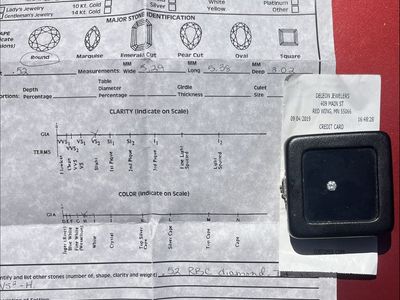
Based on the handwritten notes and the appearance of the small, vibrant red gemstone, this is a "Ruby" Spinel. Historically, these gems were frequently mistaken for rubies due to their identical color and shared geological origins. The "X-fine" notation likely indicates an "extra fine" grade, suggesting high clarity and quality. Key Characteristics and Meaning "Great Imposter": Spinel earned this nickname because famous historic gems, like the "Black Prince's Ruby" in the British Crown Jewels, were later identified as red spinels. Symbolism: It is considered a stone of revitalization and hope, believed to boost physical vitality and help overcome fatigue. Properties: Red spinel has a hardness of 8 on the Mohs scale, making it highly durable for jewelry. Unlike rubies, which are often heat-treated, spinels are typically untreated and natural. Comparison: Ruby vs. Spinel Feature Ruby (Corundum) Red Spinel Composition Aluminum Oxide Magnesium Aluminum Oxide Hardness 9 (Harder) 8 (Very Durable) Refraction Doubly refractive (pleochroic) Singly refractive Common Inclusions Silk, rutile needles Octahedral crystals, "fingerprints" Value Very high, especially untreated Rare but more affordable than ruby Practical Identification Tips While they look identical to the naked eye, you can distinguish them using specialized tools or simple methods: Dichroscope: A ruby will show two slightly different color hues when viewed from different angles (pleochroism), while a spinel will show only one consistent color. Polarized Filters: Under polarized light (like a computer screen or polarized sunglasses), a ruby will blink or change brightness as it's rotated, whereas a spinel will remain "dark" or constant because it is singly refractive. Magnification: Look for "doubling" of facet lines in rubies under a loupe; spinels will always show sharp, single
Based on current 2026 market trends, the value of a red spinel is determined by its color, clarity, and origin. While "Ruby" spinels are rare, they typically cost about one-tenth the price of a comparable natural ruby. International Gem Society IGS International Gem Society IGS +3 Current Market Pricing (per carat) For a faceted red spinel under 1 carat, prices generally fall into these brackets: Commercial Quality: $200 – $800. Good to High Quality: $800 – $5,000. Extra Fine / Top Quality: $5,000 – $10,000+. Note: Exceptional specimens from sought-after origins like Myanmar (Burma) or Mahenge, Tanzania, can exceed $15,000–$20,000 per carat for "pigeon's blood" or neon red hues. The Natural Ruby Company The Natural Ruby Company +5 Key Value Factors Factor High Value Characteristics Low Value Characteristics Color Vivid "Stoplight" Red or "Pigeon's Blood" Dark, brownish, or overly purplish tones Clarity Eye-clean (no visible inclusions) Visible "silk," fingerprints, or heavy inclusions Origin Myanmar (Burma) or Vietnam Synthetic/Lab-grown (worth very little) Weight Prices jump significantly for stones over 3–5 carats Very small stones (under 0.50 ct) have lower per-carat rates
You Might Also Like


SALE Extra fine grade, spinal Ruby .805 carrots
2 Days
55
0
$250.00
Steven
Note: KSL, its service providers, and the seller receive data from this message. See our Privacy Notice and TOU for details.
Description
Condition
Payment Types Accepted
VenmoSALE THIS WEEK ONLY 250 DOLLARS WAS 300
Based on the handwritten notes and the appearance of the small, vibrant red gemstone, this is a "Ruby" Spinel. Historically, these gems were frequently mistaken for rubies due to their identical color and shared geological origins. The "X-fine" notation likely indicates an "extra fine" grade, suggesting high clarity and quality. Key Characteristics and Meaning "Great Imposter": Spinel earned this nickname because famous historic gems, like the "Black Prince's Ruby" in the British Crown Jewels, were later identified as red spinels. Symbolism: It is considered a stone of revitalization and hope, believed to boost physical vitality and help overcome fatigue. Properties: Red spinel has a hardness of 8 on the Mohs scale, making it highly durable for jewelry. Unlike rubies, which are often heat-treated, spinels are typically untreated and natural. Comparison: Ruby vs. Spinel Feature Ruby (Corundum) Red Spinel Composition Aluminum Oxide Magnesium Aluminum Oxide Hardness 9 (Harder) 8 (Very Durable) Refraction Doubly refractive (pleochroic) Singly refractive Common Inclusions Silk, rutile needles Octahedral crystals, "fingerprints" Value Very high, especially untreated Rare but more affordable than ruby Practical Identification Tips While they look identical to the naked eye, you can distinguish them using specialized tools or simple methods: Dichroscope: A ruby will show two slightly different color hues when viewed from different angles (pleochroism), while a spinel will show only one consistent color. Polarized Filters: Under polarized light (like a computer screen or polarized sunglasses), a ruby will blink or change brightness as it's rotated, whereas a spinel will remain "dark" or constant because it is singly refractive. Magnification: Look for "doubling" of facet lines in rubies under a loupe; spinels will always show sharp, single
Based on current 2026 market trends, the value of a red spinel is determined by its color, clarity, and origin. While "Ruby" spinels are rare, they typically cost about one-tenth the price of a comparable natural ruby. International Gem Society IGS International Gem Society IGS +3 Current Market Pricing (per carat) For a faceted red spinel under 1 carat, prices generally fall into these brackets: Commercial Quality: $200 – $800. Good to High Quality: $800 – $5,000. Extra Fine / Top Quality: $5,000 – $10,000+. Note: Exceptional specimens from sought-after origins like Myanmar (Burma) or Mahenge, Tanzania, can exceed $15,000–$20,000 per carat for "pigeon's blood" or neon red hues. The Natural Ruby Company The Natural Ruby Company +5 Key Value Factors Factor High Value Characteristics Low Value Characteristics Color Vivid "Stoplight" Red or "Pigeon's Blood" Dark, brownish, or overly purplish tones Clarity Eye-clean (no visible inclusions) Visible "silk," fingerprints, or heavy inclusions Origin Myanmar (Burma) or Vietnam Synthetic/Lab-grown (worth very little) Weight Prices jump significantly for stones over 3–5 carats Very small stones (under 0.50 ct) have lower per-carat rates
You Might Also Like
