Utah Valley Aeromodelers Heavy Lifting Fun Fly Event 4/18/26
15 Days
116
0
$0.01
Allan
Note: KSL, its service providers, and the seller receive data from this message. See our Privacy Notice and TOU for details.
Description
Condition
Payment Types Accepted
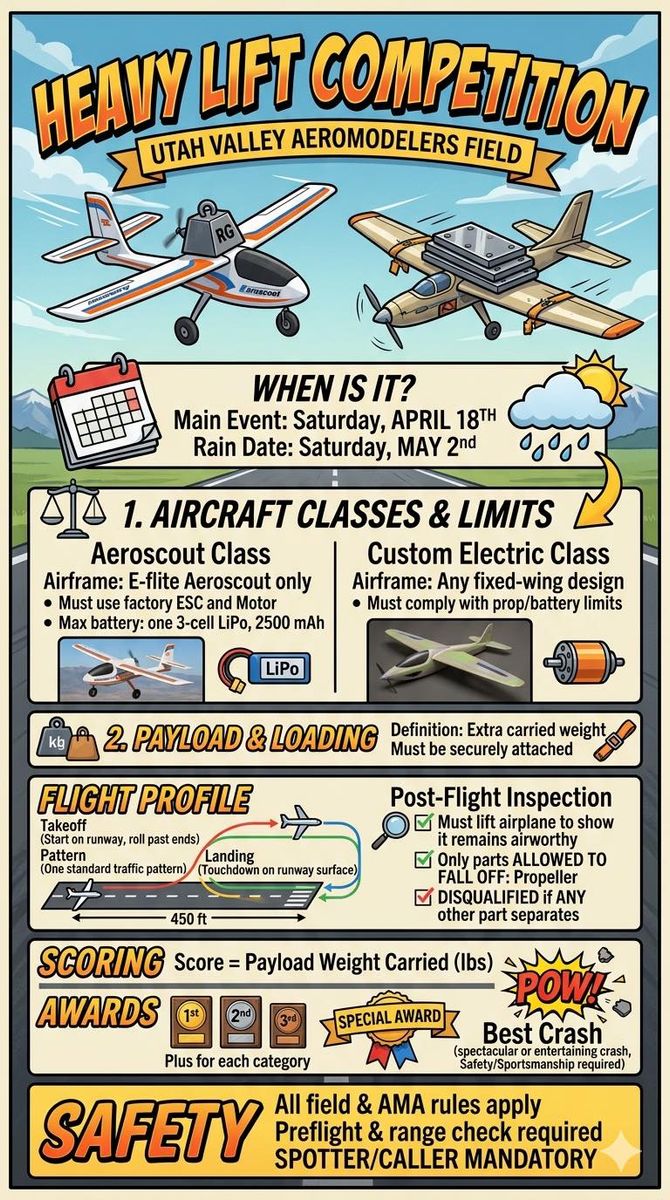
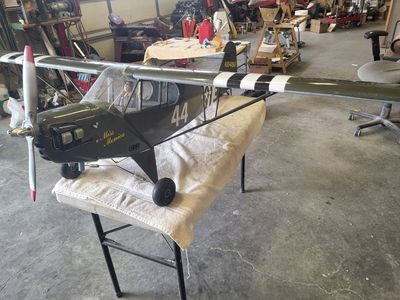
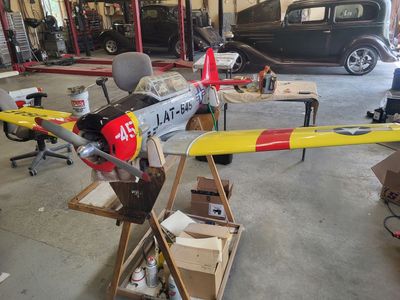
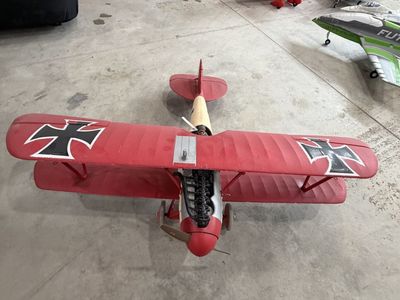
Utah Valley Aeromodelers club is hosting a heavy lifiting R.C. Event this weekend 4/18/26 at 9:30 A.M. Please come and participate or just come to watch this fun event! If you wish to participate the rules are below, otherwise its free to just come and watch from the bleachers. We hope to see you all there! 9999 Saratoga Road, Saratoga Springs Utah
-
Event Overview Heavy Lift is a power-limited model airplane competition to see who can safely carry the heaviest payload. The Mission: Take off, fly one standard traffic pattern, and land safely on the runway. Field Reference: Approximately 450 ft usable runway.
-
Safety Requirements & Standards Safety is the primary concern. Failure to adhere to these standards will result in disqualification or a denied flight. General Rules: All standard UVA field rules and AMA safety rules apply. Pre-Flight Check: Each airplane must pass a basic pre-flight inspection and check before its first flight. Spotters: A spotter/caller is required for each pilot during competition flights. Pilot Authority: The Contest Director (CD) may stop, wave off, or deny any flight or attempt that appears unsafe at any time. Payload Security: * Payload must be securely attached so it cannot move or fall off in flight. o Recommended: Place weight plates near the Center of Gravity (CG) or main landing gear, secured with zip ties, velcro or straps. o Officials may reject any setup that appears unsafe or likely to damage the runway. Post-Flight Integrity: For a flight to count, the aircraft must be capable of being lifted in one piece. If any part (wheel, hatch, wing tip, etc.) falls off during flight or landing, the attempt is disqualified. No matter how small that part is. The only exception is a broken or detached propeller.
-
Aircraft Classes & Limits Two classes are categorized by power type and airframe complexity. 3.1 Electric-powered fixed-wing propeller classes General Limits: Battery size: Max size 3-cell LiPo, max capacity 5200 mAh (only one pack is allowed. One battery for power and one for RX is ok). Electric motor: Only one motor is allowed. Belt driven is allowed. Propeller: up to 12" prop. Multi-motor: up to 6" prop. Landing gear: Model airplane must take off and land on its own, using its own power. Cannot be hand-launched. Must take off within 450 feet of the runway. Aeroscout Class: E-flite Aeroscout airframes only. Modifications limited to wheels/tires and props, changing the angle of attack, as well as servos and radio. No structural changes are allowed. Must use the stock Aeroscout motor and ESC, 3-cell lipo only. Custom Class: Scratch-built, kit-bash, or heavily modified fixed-wing designs. Must still follow the battery and prop limits above, and all other “general limits” rules. Can use 1 rocket assist motor C6-0 Max per flight. This is the only rocket motor allowed in this class. (https://estesrockets.com/products/c6-0-engines). Examples of what is not allowed: Parachute wings Rotary wings Bungees or take-off assisted catapults/hitches If you have a question, please ask, and we will make a determination..
-
Flight Profile & Scoring The Flight Attempt Takeoff: Aircraft must start on the runway under its own power. It must pass the runway end during the takeoff run (can utilize the full ~450 ft if necessary). Pattern: Exactly one standard traffic pattern: Upwind, Crosswind, Downwind, Base, and Final. Landing: Touchdown must occur on the runway. Rolling off the runway after touchdown is acceptable if the aircraft remains under control. Go-Arounds: Only one touch-and-go or go-around is allowed per attempt. The next approach must be a full-stop landing, or the flight is disqualified. Attempts: One scoring attempt per round (typically 2–3 rounds total). Scoring Definition: Payload is the additional weight carried (e.g., metal plates, sandbags, lead shot). It does not include the aircraft, fuel, or flight battery. Onboard cameras are allowed but do not count as payload weight. Calculation: Total payload weight carried (1 ounce = 1 point). The max weight carried on any successful flight is your max score. Results: The pilot with the highest valid payload score in their respective class wins.
-
Awards & Fees Placements: Plaques for 1st, 2nd, and 3rd place in each category. Special Award: "Best Crash" – Plaque for the most spectacular crash (provided safety rules were followed). Entry Fee: Free to participate AMA must be shown to participa
Page Stats
Safe. Simple. Trusted.
KSL Classifieds makes it easy to buy and sell with peace of mind. Check our safety tips and quickly report anything that doesn’t look right to keep your experience smooth and secure.
You Might Also Like
Utah Valley Aeromodelers Heavy Lifting Fun Fly Event 4/18/26
15 Days
116
0
$0.01
Allan
Note: KSL, its service providers, and the seller receive data from this message. See our Privacy Notice and TOU for details.
Page Stats
Safe. Simple. Trusted.
KSL Classifieds makes it easy to buy and sell with peace of mind. Check our safety tips and quickly report anything that doesn’t look right to keep your experience smooth and secure.
Description
Condition
Payment Types Accepted
Utah Valley Aeromodelers club is hosting a heavy lifiting R.C. Event this weekend 4/18/26 at 9:30 A.M. Please come and participate or just come to watch this fun event! If you wish to participate the rules are below, otherwise its free to just come and watch from the bleachers. We hope to see you all there! 9999 Saratoga Road, Saratoga Springs Utah
-
Event Overview Heavy Lift is a power-limited model airplane competition to see who can safely carry the heaviest payload. The Mission: Take off, fly one standard traffic pattern, and land safely on the runway. Field Reference: Approximately 450 ft usable runway.
-
Safety Requirements & Standards Safety is the primary concern. Failure to adhere to these standards will result in disqualification or a denied flight. General Rules: All standard UVA field rules and AMA safety rules apply. Pre-Flight Check: Each airplane must pass a basic pre-flight inspection and check before its first flight. Spotters: A spotter/caller is required for each pilot during competition flights. Pilot Authority: The Contest Director (CD) may stop, wave off, or deny any flight or attempt that appears unsafe at any time. Payload Security: * Payload must be securely attached so it cannot move or fall off in flight. o Recommended: Place weight plates near the Center of Gravity (CG) or main landing gear, secured with zip ties, velcro or straps. o Officials may reject any setup that appears unsafe or likely to damage the runway. Post-Flight Integrity: For a flight to count, the aircraft must be capable of being lifted in one piece. If any part (wheel, hatch, wing tip, etc.) falls off during flight or landing, the attempt is disqualified. No matter how small that part is. The only exception is a broken or detached propeller.
-
Aircraft Classes & Limits Two classes are categorized by power type and airframe complexity. 3.1 Electric-powered fixed-wing propeller classes General Limits: Battery size: Max size 3-cell LiPo, max capacity 5200 mAh (only one pack is allowed. One battery for power and one for RX is ok). Electric motor: Only one motor is allowed. Belt driven is allowed. Propeller: up to 12" prop. Multi-motor: up to 6" prop. Landing gear: Model airplane must take off and land on its own, using its own power. Cannot be hand-launched. Must take off within 450 feet of the runway. Aeroscout Class: E-flite Aeroscout airframes only. Modifications limited to wheels/tires and props, changing the angle of attack, as well as servos and radio. No structural changes are allowed. Must use the stock Aeroscout motor and ESC, 3-cell lipo only. Custom Class: Scratch-built, kit-bash, or heavily modified fixed-wing designs. Must still follow the battery and prop limits above, and all other “general limits” rules. Can use 1 rocket assist motor C6-0 Max per flight. This is the only rocket motor allowed in this class. (https://estesrockets.com/products/c6-0-engines). Examples of what is not allowed: Parachute wings Rotary wings Bungees or take-off assisted catapults/hitches If you have a question, please ask, and we will make a determination..
-
Flight Profile & Scoring The Flight Attempt Takeoff: Aircraft must start on the runway under its own power. It must pass the runway end during the takeoff run (can utilize the full ~450 ft if necessary). Pattern: Exactly one standard traffic pattern: Upwind, Crosswind, Downwind, Base, and Final. Landing: Touchdown must occur on the runway. Rolling off the runway after touchdown is acceptable if the aircraft remains under control. Go-Arounds: Only one touch-and-go or go-around is allowed per attempt. The next approach must be a full-stop landing, or the flight is disqualified. Attempts: One scoring attempt per round (typically 2–3 rounds total). Scoring Definition: Payload is the additional weight carried (e.g., metal plates, sandbags, lead shot). It does not include the aircraft, fuel, or flight battery. Onboard cameras are allowed but do not count as payload weight. Calculation: Total payload weight carried (1 ounce = 1 point). The max weight carried on any successful flight is your max score. Results: The pilot with the highest valid payload score in their respective class wins.
-
Awards & Fees Placements: Plaques for 1st, 2nd, and 3rd place in each category. Special Award: "Best Crash" – Plaque for the most spectacular crash (provided safety rules were followed). Entry Fee: Free to participate AMA must be shown to participa
You Might Also Like
