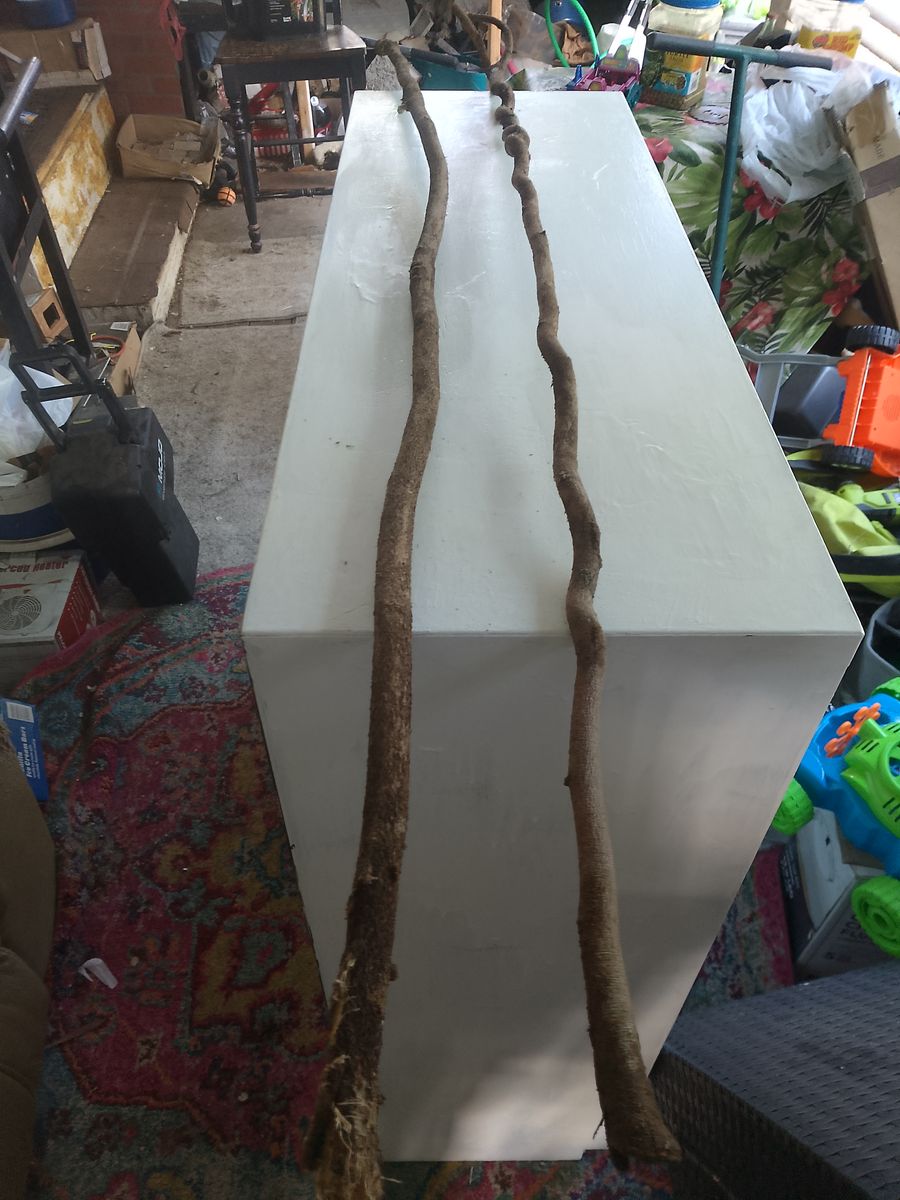
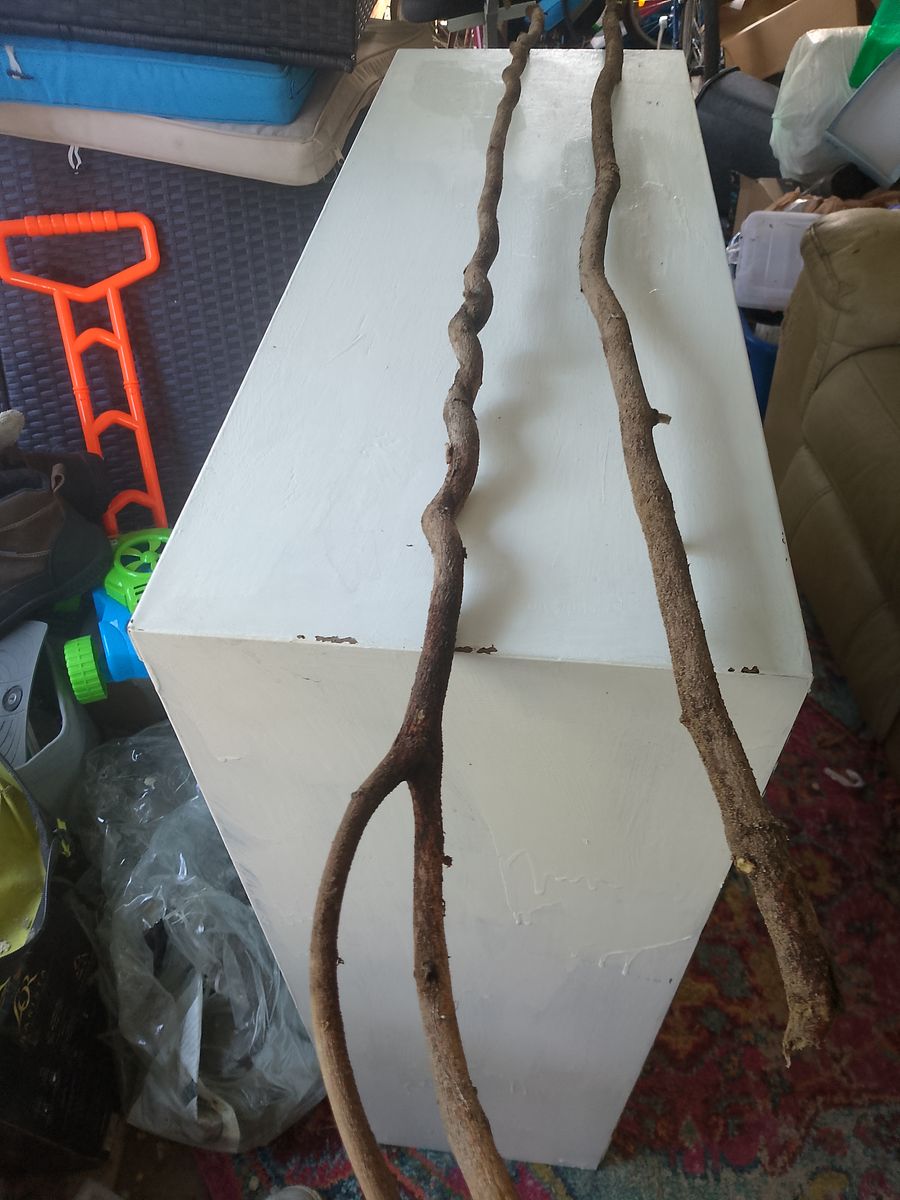
wisteria wands
20 Days
27
0
$160.00
Description
Condition
Payment Types Accepted
 Zelle
ZelleWisteria wood wands are prized for their lightweight and flexible nature. In magical lore, they are considered rare and are often associated with individuals who possess great ambition, intelligence, and dignity.
Wisteria wood wands are prized for their lightweight and flexible nature. In magical lore, they are considered rare and are often associated with individuals who possess great ambition, intelligence, and dignity.
Wisteria wood wands are prized for their lightweight and flexible nature. In magical lore, they are considered rare and are often associated with individuals who possess great ambition, intelligence, and dignity.
Wandlore & Characteristics
- Difficulty to Craft: The wood is notoriously difficult to carve because it contains random "pockets" of harder wood within its otherwise soft, flexible structure.
- Owner Compatibility: Wisteria wands are said to choose owners who are patient and purposeful. However, they can give subpar performances if the wielder is flighty or weak-willed.
- Magical Affinity: They excel at charms and are known for having a strong affinity for any magical core.
- Spiritual Properties: Beyond traditional wandlore, wisteria is used in modern magical practices for psychic receptiveness, emotional healing, and wisdom.
The "Shadow" of the Wood Reflecting the plant’s real-world habit of "strangling" other trees to grow, wisteria wands carry a warning: their owners may unintentionally cause harm to those around them in their relentless pursuit of goals.
Where to Find While wisteria is not one of the "38 official" wand woods mentioned in the core Harry Potter series (which focuses on Vine), it is a popular choice in fan-expanded lore—particularly in descriptions of the Japanese wizarding school, Mahoutokoro.
For those looking for physical replicas or custom-crafted items, creators on Etsy often use natural wisteria vines to create unique, hand-carved wands for cosplay and ritual use.
In wandlore and craft, these are often called "Strangler Wands" or "Entwined Wands."
How They Form The Spiraled Shaft: Wisteria naturally twines as it grows. If a young vine finds a straight support—like a sapling or a fence post—it will wrap tightly around it. Over time, the vine thickens into a solid "tube" or spiral that retains the shape of the support even after the original inner wood has rotted away or been removed. The "Y" Handle: This feature usually comes from the junction where the vine first branched off or where it met a secondary support. Crafters look for the "crotch" of the plant, where the main stem splits into two sturdy directions, creating a natural ergonomic grip or a "slingshot" style focus. Lore of the Twisted "Y" Wand Dual Nature: The Y-shape is often associated with choice, crossroads, and balance. In Druidic traditions, a forked wand (or "wishbone" wand) is believed to bridge two worlds or channel two different types of energy simultaneously. The "Host" Connection: When a wand is formed by growing around another tree (like Oak or Rowen), it is said to "borrow" the properties of that host. A wisteria wand grown around an Oak, for example, would combine wisteria’s flexibility with oak’s grounding strength. Dowsing Roots: Historically, Y-shaped branches were the primary tool for dowsing (finding water or minerals). A wisteria wand with this shape is often favored by those with a talent for divination or tracking. Practical Tip for Collectors If you are looking for a physical version, search for "Natural Twisted Vine Wands" or "Honeysuckle/Wisteria Forked Staffs." Makers on Etsy often leave the bark on the "Y" section to highlight the natural texture while peeling and sanding the spiraled shaft to show the wood grain. Would you like to explore how the original host tree (the one the wisteria grew around) might change the wand's magical personality?
It's
4 foot ish currently foot magical tool typically sits in the "middle ground" between a wand and a full staff. Depending on its thickness and how it's used, it is most commonly called a Rod.
Specifics
Wand vs. Rod vs. Staff
| Tool [1, 2, 4, 8, 9] | Typical Length | Handedness | Common Function | |---|---|---|---| | Wand | 6–18 inches | One-handed | Precise, quick spellcasting. | | Rod | 30–48 inches | One or two-handed | Heavy magical channeling or blunt defense. | | Staff | 60+ inches | Two-handed | Walking, group rituals, and heavy power storage. |
Given your description of a piece that is "fairly straight" with a "wide Y," it would likely be categorized as a wisteria walking staff or a magic rod. The fork (the Y) at the top is a classic feature of a dowsing rod or a shamanic staff
Since you are interested in the forked "Y" rod and the specific lore of Wisteria wood, combining them creates a very specific "style" of magical tool. Because Wisteria is a vine that wraps and "strangles," its physical style reflects its personality: opportunistic, tenacious, and elegant.
You Might Also Like





wisteria wands
20 Days
27
0
$160.00
Description
Condition
Payment Types Accepted
ZelleWisteria wood wands are prized for their lightweight and flexible nature. In magical lore, they are considered rare and are often associated with individuals who possess great ambition, intelligence, and dignity.
Wisteria wood wands are prized for their lightweight and flexible nature. In magical lore, they are considered rare and are often associated with individuals who possess great ambition, intelligence, and dignity.
Wisteria wood wands are prized for their lightweight and flexible nature. In magical lore, they are considered rare and are often associated with individuals who possess great ambition, intelligence, and dignity.
Wandlore & Characteristics
- Difficulty to Craft: The wood is notoriously difficult to carve because it contains random "pockets" of harder wood within its otherwise soft, flexible structure.
- Owner Compatibility: Wisteria wands are said to choose owners who are patient and purposeful. However, they can give subpar performances if the wielder is flighty or weak-willed.
- Magical Affinity: They excel at charms and are known for having a strong affinity for any magical core.
- Spiritual Properties: Beyond traditional wandlore, wisteria is used in modern magical practices for psychic receptiveness, emotional healing, and wisdom.
The "Shadow" of the Wood Reflecting the plant’s real-world habit of "strangling" other trees to grow, wisteria wands carry a warning: their owners may unintentionally cause harm to those around them in their relentless pursuit of goals.
Where to Find While wisteria is not one of the "38 official" wand woods mentioned in the core Harry Potter series (which focuses on Vine), it is a popular choice in fan-expanded lore—particularly in descriptions of the Japanese wizarding school, Mahoutokoro.
For those looking for physical replicas or custom-crafted items, creators on Etsy often use natural wisteria vines to create unique, hand-carved wands for cosplay and ritual use.
In wandlore and craft, these are often called "Strangler Wands" or "Entwined Wands."
How They Form The Spiraled Shaft: Wisteria naturally twines as it grows. If a young vine finds a straight support—like a sapling or a fence post—it will wrap tightly around it. Over time, the vine thickens into a solid "tube" or spiral that retains the shape of the support even after the original inner wood has rotted away or been removed. The "Y" Handle: This feature usually comes from the junction where the vine first branched off or where it met a secondary support. Crafters look for the "crotch" of the plant, where the main stem splits into two sturdy directions, creating a natural ergonomic grip or a "slingshot" style focus. Lore of the Twisted "Y" Wand Dual Nature: The Y-shape is often associated with choice, crossroads, and balance. In Druidic traditions, a forked wand (or "wishbone" wand) is believed to bridge two worlds or channel two different types of energy simultaneously. The "Host" Connection: When a wand is formed by growing around another tree (like Oak or Rowen), it is said to "borrow" the properties of that host. A wisteria wand grown around an Oak, for example, would combine wisteria’s flexibility with oak’s grounding strength. Dowsing Roots: Historically, Y-shaped branches were the primary tool for dowsing (finding water or minerals). A wisteria wand with this shape is often favored by those with a talent for divination or tracking. Practical Tip for Collectors If you are looking for a physical version, search for "Natural Twisted Vine Wands" or "Honeysuckle/Wisteria Forked Staffs." Makers on Etsy often leave the bark on the "Y" section to highlight the natural texture while peeling and sanding the spiraled shaft to show the wood grain. Would you like to explore how the original host tree (the one the wisteria grew around) might change the wand's magical personality?
It's
4 foot ish currently foot magical tool typically sits in the "middle ground" between a wand and a full staff. Depending on its thickness and how it's used, it is most commonly called a Rod.
Specifics
Wand vs. Rod vs. Staff
| Tool [1, 2, 4, 8, 9] | Typical Length | Handedness | Common Function | |---|---|---|---| | Wand | 6–18 inches | One-handed | Precise, quick spellcasting. | | Rod | 30–48 inches | One or two-handed | Heavy magical channeling or blunt defense. | | Staff | 60+ inches | Two-handed | Walking, group rituals, and heavy power storage. |
Given your description of a piece that is "fairly straight" with a "wide Y," it would likely be categorized as a wisteria walking staff or a magic rod. The fork (the Y) at the top is a classic feature of a dowsing rod or a shamanic staff
Since you are interested in the forked "Y" rod and the specific lore of Wisteria wood, combining them creates a very specific "style" of magical tool. Because Wisteria is a vine that wraps and "strangles," its physical style reflects its personality: opportunistic, tenacious, and elegant.
You Might Also Like
