New Sod – Improve the soil before grass goes down with biochar soil carbon. Save water, save money!
15 Hours
4
0
$35.00

GoBiochar
Note: KSL, its service providers, and the seller receive data from this message. See our Privacy Notice and TOU for details.
Description
Condition
Payment Types Accepted
 Venmo
Venmo Zelle
ZelleInstalling new sod? This is the best time to invest in improving the soil underneath it by adding biochar.
.
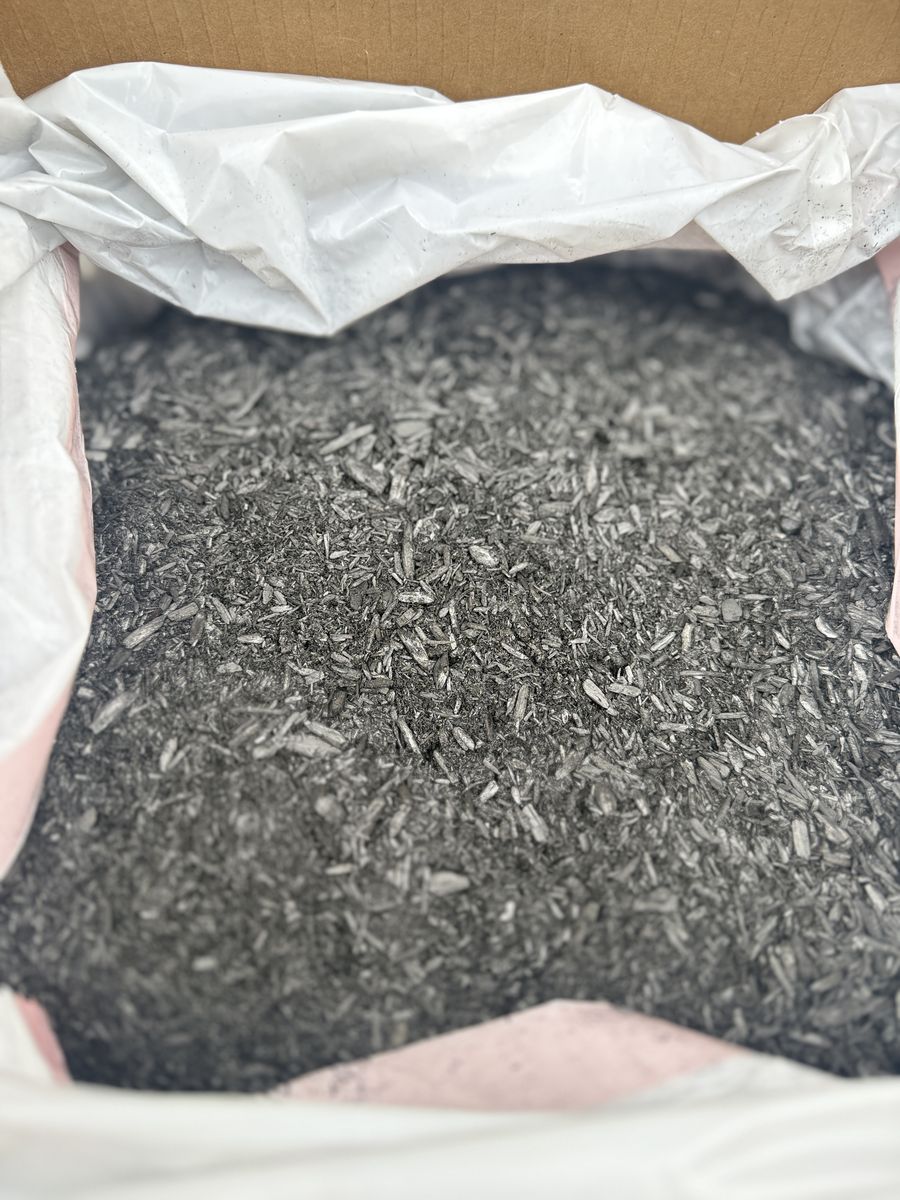
Biochar is a porous, carbon-rich soil amendment that helps retain water and nutrients, improve soil structure, and support beneficial soil biology. Once incorporated into the soil, biochar remains there for many years.
.
Biochar is especially useful when installing sod during our hot, dry summer months, when keeping the new root zone consistently moist is critical for the roots to take hold. Always get the biochar damp before installation.
.
For new sod, mix biochar into the upper few inches of soil before final grading and laying the sod. For best results, use it along with compost or another nutrient-rich soil amendment. TIP: Read further below for tips and tricks on use with new sod.
.
Biochar benefits often include:
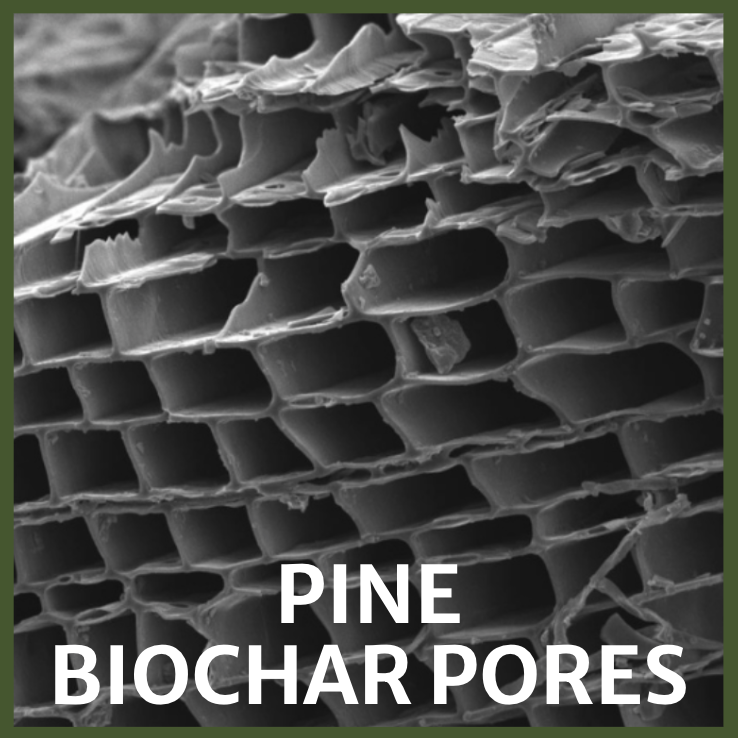
• Water holding capacity in the root zone, see image of the biochar pores
• Make irrigation water more effective so you use less and save more
• Retain nutrients and fertilizer value longer instead of them washing out quickly
• Improve soil structure - water goes in instead of pooling. Soil tilth let's oxygen in
• Supports and builds healthy soil biology
• Creates better soil beneath your lawn over the long term
• All soils can benefit from biochar but sandy soils benefit the most. This acts like a filter to keep all the nutrients and organic matter at the top of the soil profile to reduce water use while retaining nutrients. All this makes for a healthy lawn.
.
Available quantities: Prices start at $35.
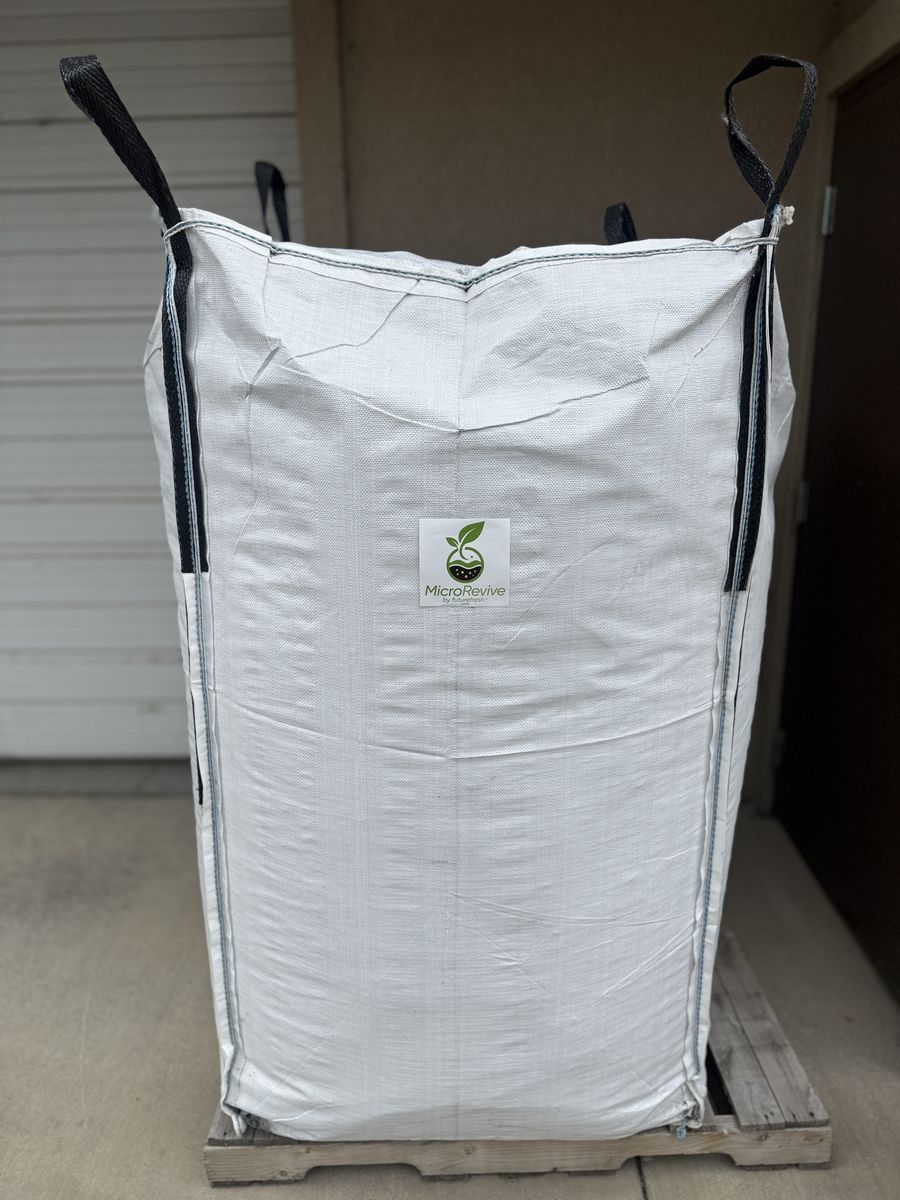
1 cubic foot (7 gal) to 2-cubic-yard super sacks with bulk quantities available by the semi load
Local pickup in Salt Lake valley and Provo. Delivery for a fee may be available depending on quantity and location.
.
Application rate by volume under sod:
Installed down to 6" of soil.
5% = 1/4" biochar - 1 CF covers 128 sqft
10%. = 1/2" biochar - 1 CF covers 64 sqft
Always wear a mask (PPE) when handling all landscape materials with dust.
.
How much to buy:
Length times Width (L x W) is square footage of your new lawn. Turf often sold by square foot so you likely know what to go for.
This is the order interest form: https://gobiochar.com/order
.
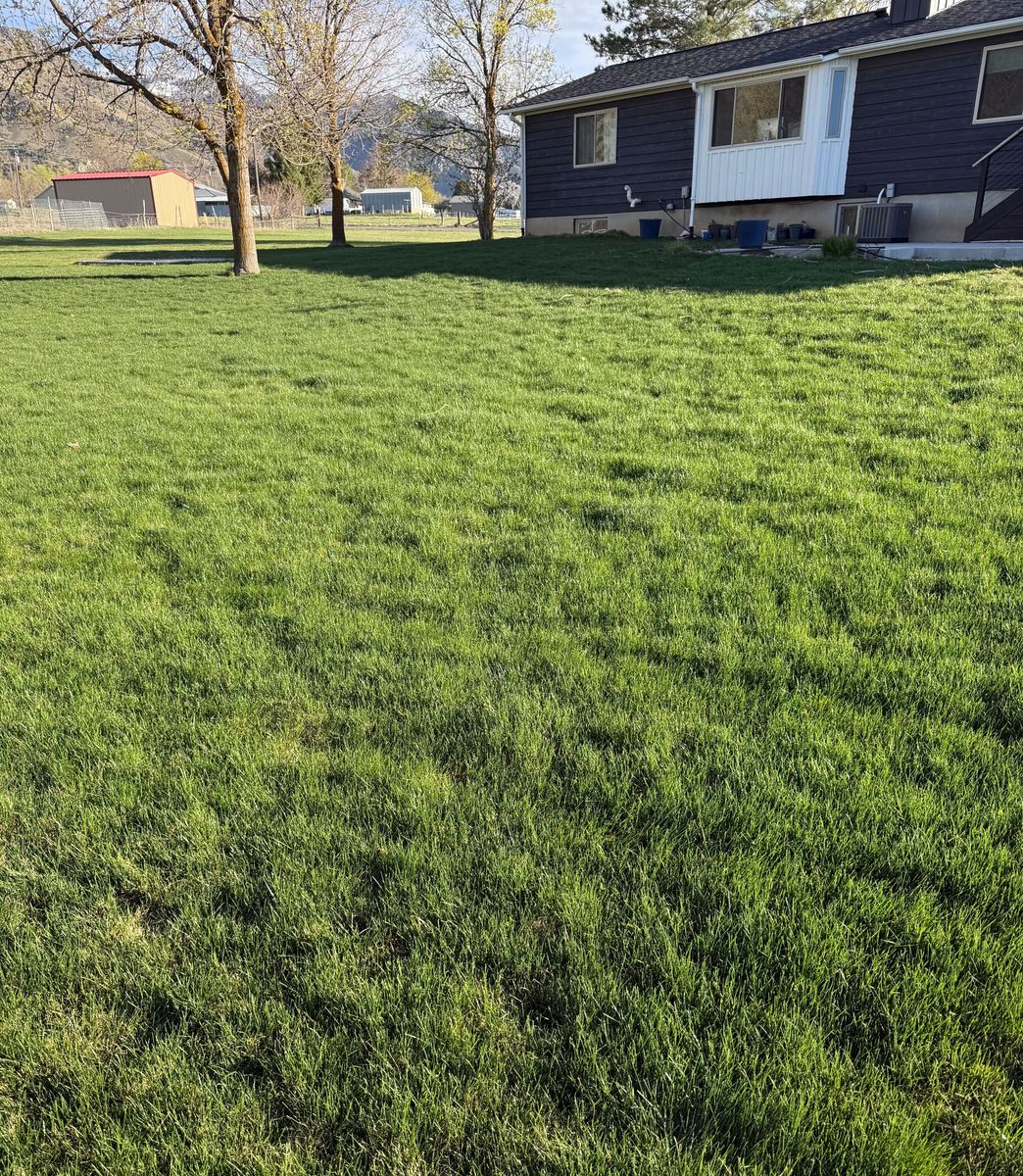
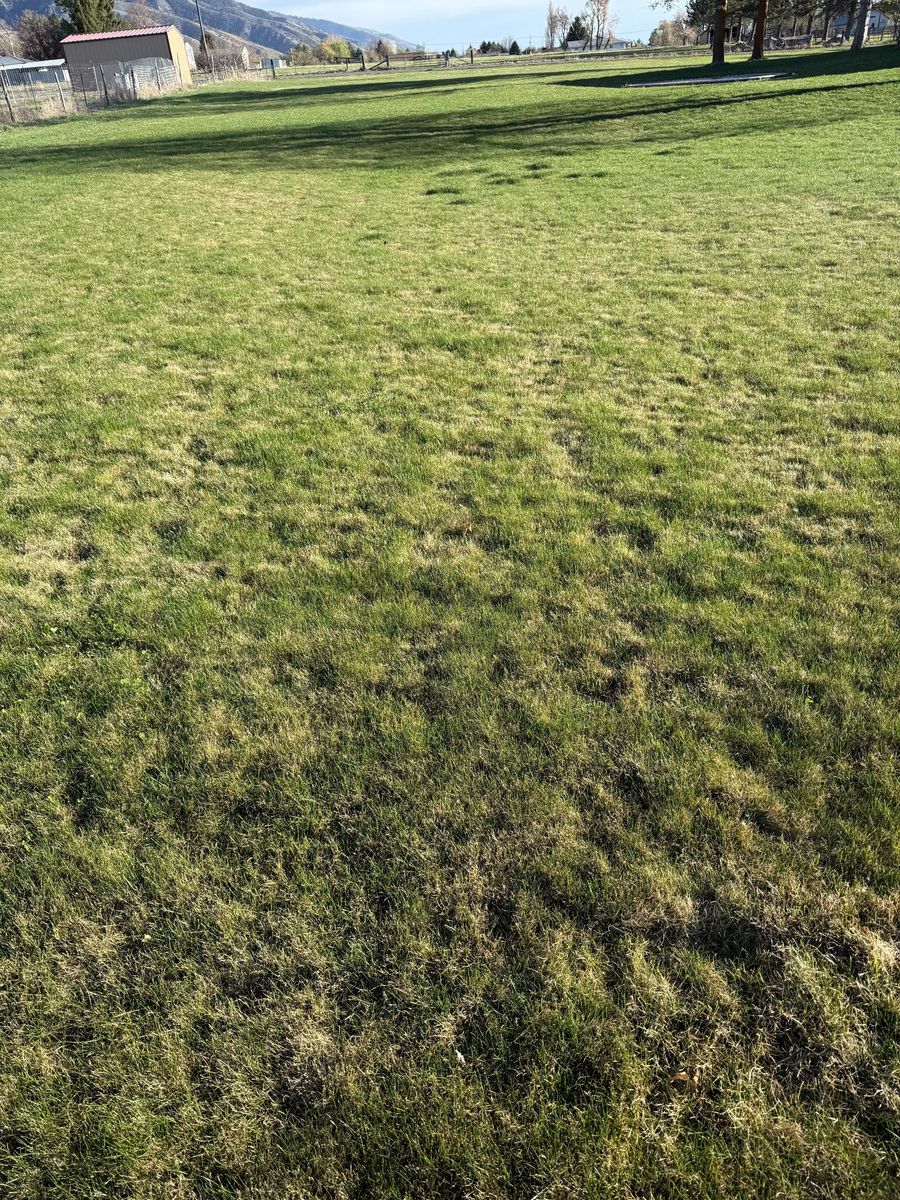
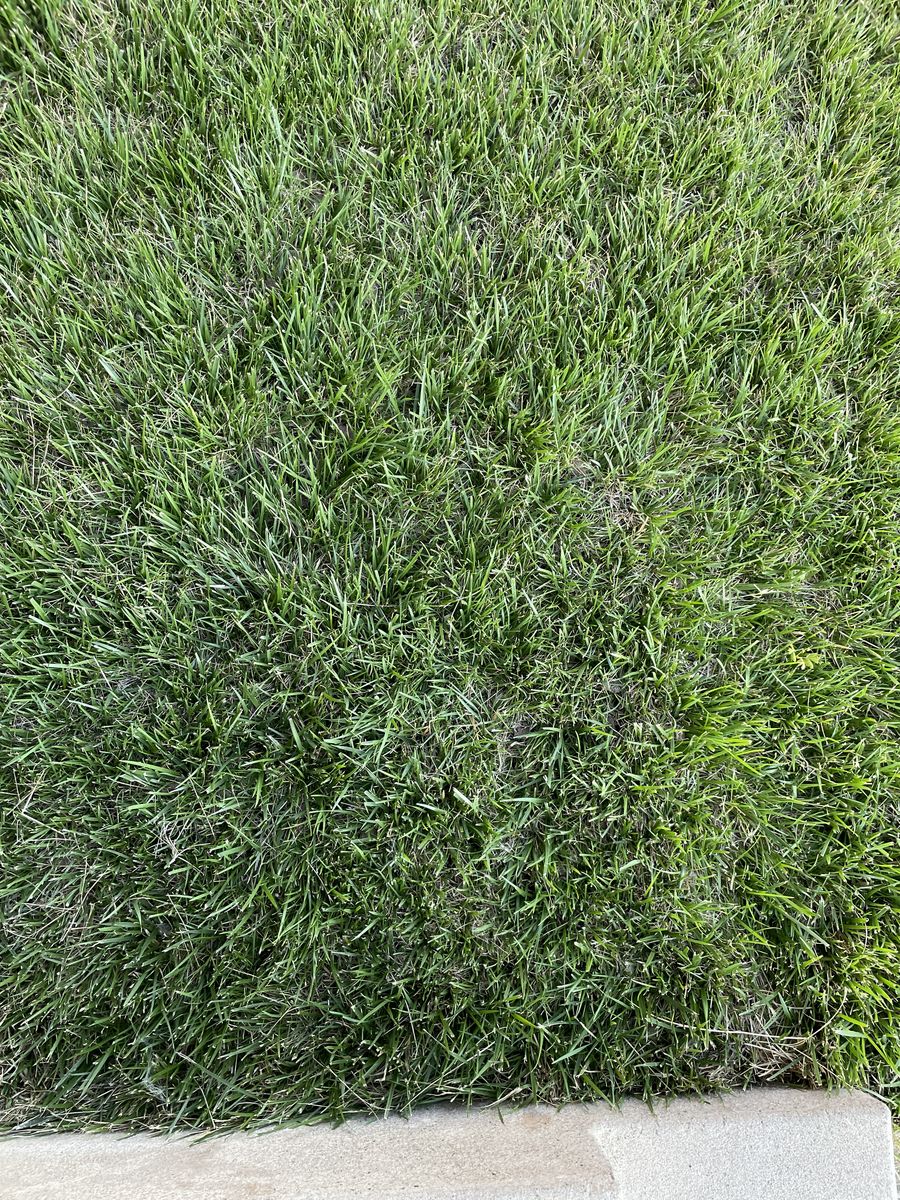
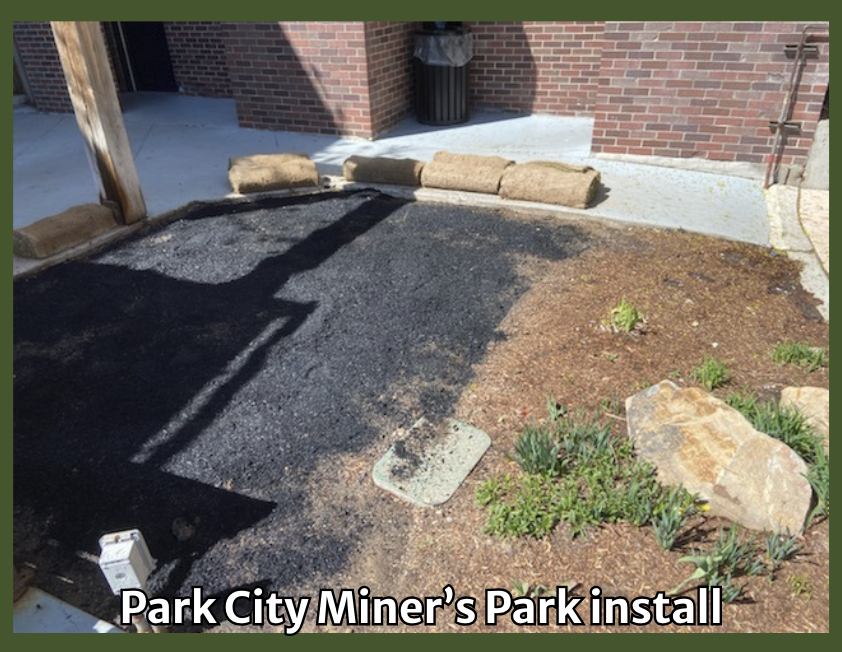
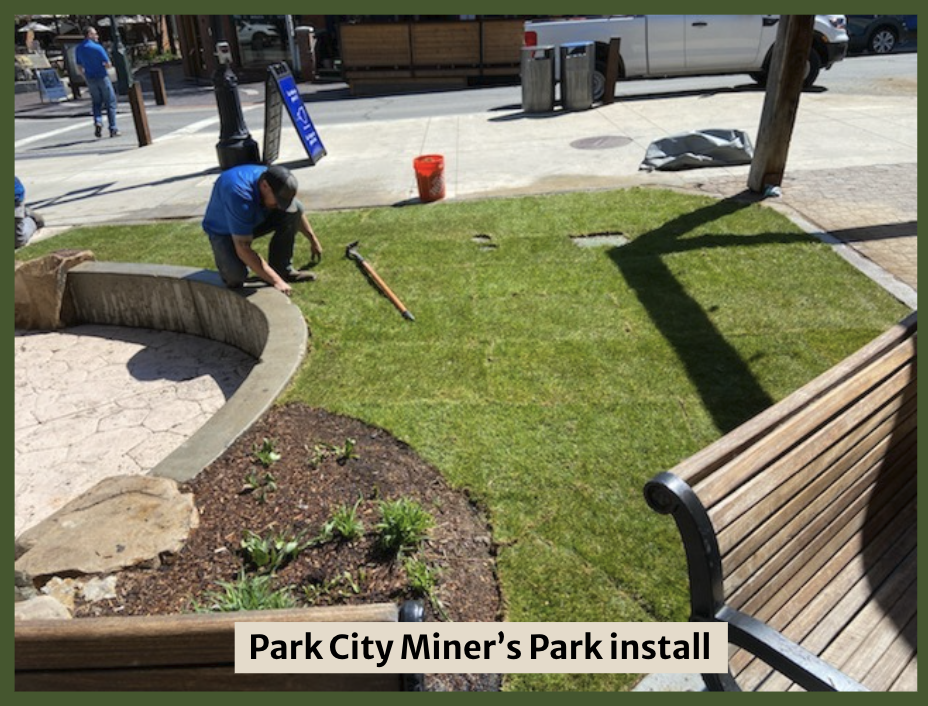
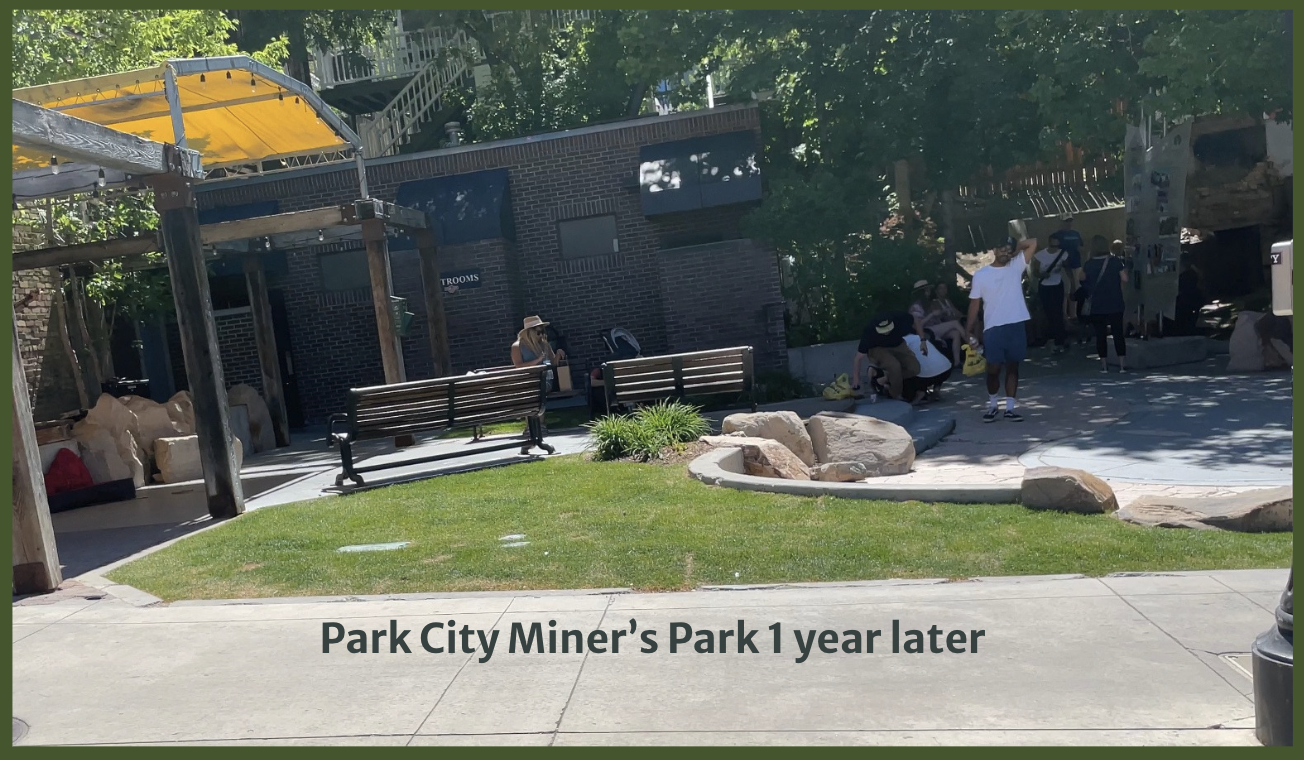
Listing images show an install at Miner's Park in Park City, UT. This is at the top of Main Street and hundreds of thousands of people walk on it every year. There is also a photo of it after one year after install. A Park City maintenance manager said it has been one of the most resilient turf areas in the city.
.
Biochar is a soil builder, not a fertilizer. Maximize benefit by incorporating minerals, nutrition, biology, and some water before installation. See instructions below.
.
Recommendations for New Turf:
.
Prepare area according to turf provider guidance. Some turf providers say their sod can grow on top of cement since they pre-load it. This may be true but most of us install on soil. Those pre-loaded nutrients in sod will wash out over time so we want to build the soil underneath. The deeper the roots grow, the healthier the soil and your lawn.
.
When adding new topsoil underneath, I incorporate the biochar at 5% - 10% by volume into the root zone at a depth of 4″-6″ when possible. This is a 1/4" to 1/2″ layer of biochar.
.
When adding to existing soil apply as top coat then use a rake to scratch 1/4″ to 1/2″ into the soil surface before laying down the sod. Level the surface with a rake or drag with landscape rake or push broom.
.
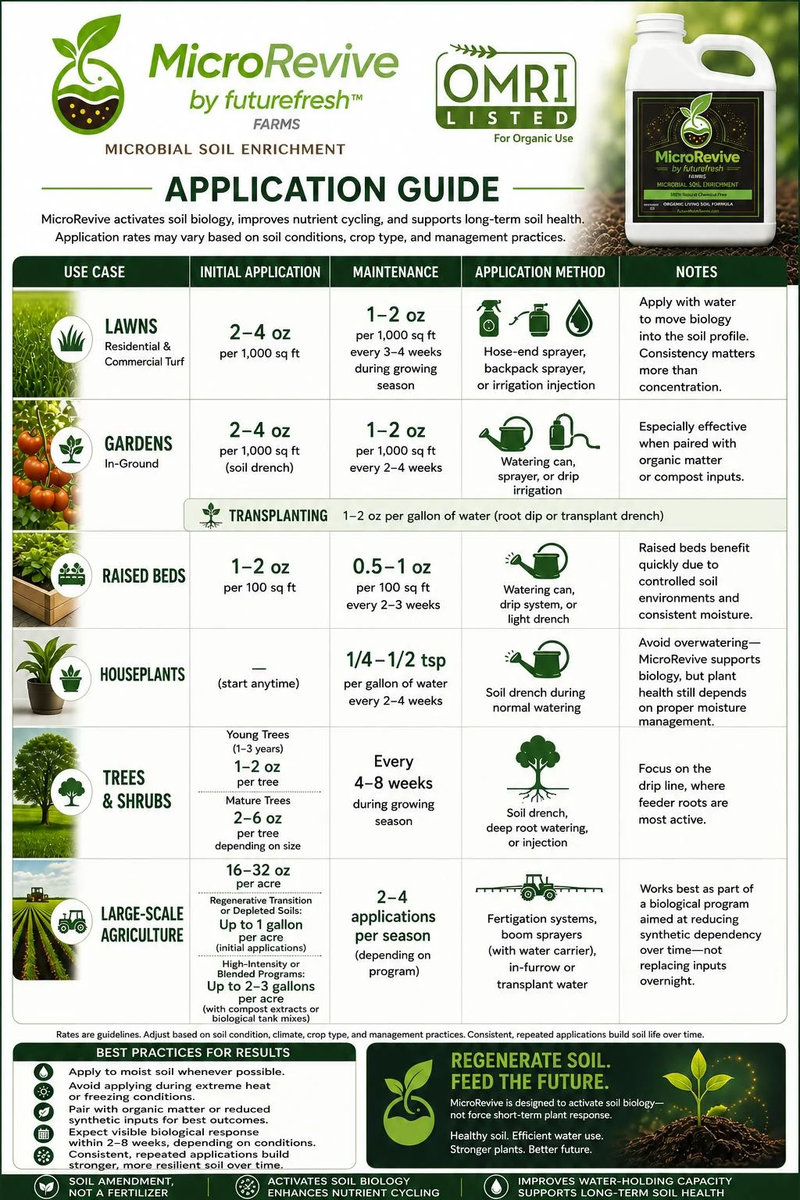
My go-to additions to the biochar are; micronized Azomite rock dust at 1 lb per 1 cubic foot (7 gal), for Humate I use the IFA brand at 1 lb per 1 cubic foot (you can also use liquid humate), mycorrhizal fungi, maybe some compost, and I -really- like a Utah product called MicroRevive super concentrated soil microbes made by Future Fresh Farms in Provo (order online). Mix this up really well and I always get the biochar damp before installing in soil. This is what I like to do, you should always use what you find successful for you.
.
Recommendations for Existing Turf:
.
Mow your lawn at the lowest setting. Aerate turf as part of normal protocol in the Spring or Fall. Doubling normal aeration passes is optimal, although your regular aeration is adequate. Apply raw GoBiochar at 1/4" to 1/3" coverage rate. For best results, rake or drag the surface to evenly incorporate into aeration holes to build soil structure more effectively. Thoroughly irrigate and then follow normal procedure for post aeration turf care. Ideally this biochar application will happen 3 times: Spring/Fall/Spring or Fall/Spring/Fall.
.
Biochar can be top coat applied every 2-3 weeks at a 1/32" or 1/8". When doing this apply after mowing or mulch your turf instead of bagging. Irrigate as needed.
.
.
NOTES:
* Everything is conditional, common sense is a great driver of practical application guidance. You know your growth situation and turf better than anyone else.
* When applying raw biochar only, you are building soil health, not applying nutrition – results are not immediate. However, benefits develop over time and last for many years.
.
* Watering - this is a tricky bit.
Most of our clients realize water need reductions of 30% to 50% of previous needs. That means after sod roots are established this is when we turn down that sprinkler timer. I like the digital controllers because they are so easy to adjust compared to older timer.
.
Hurdles in your water management
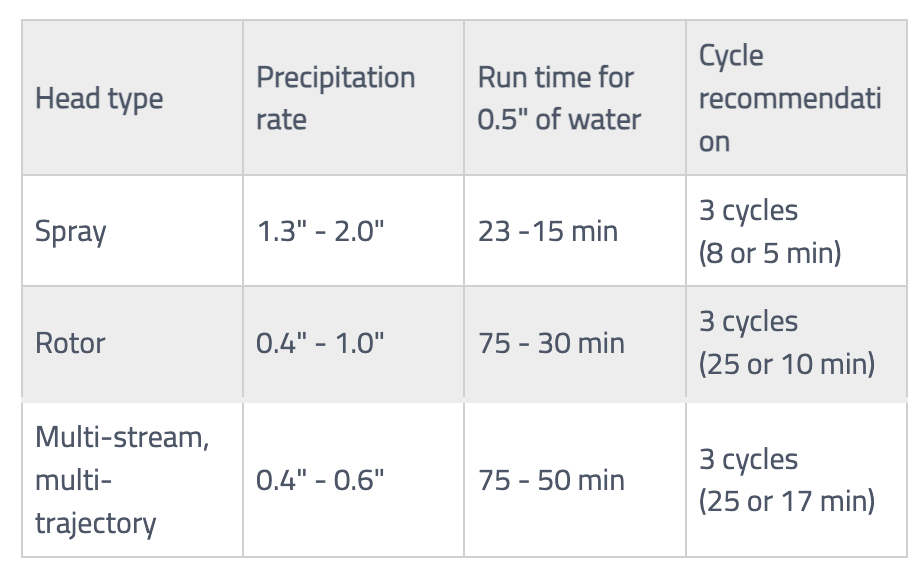
Many landscapers and yard maintenance folks do not want to turn down water use because they don't want to send staff back anytime a lawn has issues, this costs them money. Easier for them to bump up the irrigation time and have you pay for more water than it is for them to absorb lost time and money in the case of support calls. Let your contractors know the goal is to find a happy medium. Start dialing down the water once roots establish and then keep working it down until you find the balance. Always, always, always use a short soak cycle first to prime the soil and then water deep to get your lawn roots to drive further down. Deep roots equal success. See attached graphic.
.
Any unused product is 100% suitable for use in garden beds, greenhouses, shrubs, and trees.
.
Turf managers and landscapers:
Many turf managers and landscape professionals know that biochar as soil addendum will provide a very durable soil solution to reduce irrigation requirements, optimize nutrient distribution, and reduce the need for fungicide‘s long-term because of a healthy microbial habitat.
.
We encourage turf managers to watch and follow the work by Dan Dinelli, Course Superintendent at North Shore Country Club:
https://www.instagram.com/northshorecc_grounds
.
Contact info shown. Email or text often best.
.
Wholesale and contractor rates available. Inquire for details.
New Sod – Improve the soil before grass goes down with biochar soil carbon. Save water, save money!
15 Hours
4
0
$35.00
GoBiochar
Note: KSL, its service providers, and the seller receive data from this message. See our Privacy Notice and TOU for details.
Description
Condition
Payment Types Accepted
VenmoZelleInstalling new sod? This is the best time to invest in improving the soil underneath it by adding biochar.
.
Biochar is a porous, carbon-rich soil amendment that helps retain water and nutrients, improve soil structure, and support beneficial soil biology. Once incorporated into the soil, biochar remains there for many years.
.
Biochar is especially useful when installing sod during our hot, dry summer months, when keeping the new root zone consistently moist is critical for the roots to take hold. Always get the biochar damp before installation.
.
For new sod, mix biochar into the upper few inches of soil before final grading and laying the sod. For best results, use it along with compost or another nutrient-rich soil amendment. TIP: Read further below for tips and tricks on use with new sod.
.
Biochar benefits often include:
• Water holding capacity in the root zone, see image of the biochar pores
• Make irrigation water more effective so you use less and save more
• Retain nutrients and fertilizer value longer instead of them washing out quickly
• Improve soil structure - water goes in instead of pooling. Soil tilth let's oxygen in
• Supports and builds healthy soil biology
• Creates better soil beneath your lawn over the long term
• All soils can benefit from biochar but sandy soils benefit the most. This acts like a filter to keep all the nutrients and organic matter at the top of the soil profile to reduce water use while retaining nutrients. All this makes for a healthy lawn.
.
Available quantities: Prices start at $35.
1 cubic foot (7 gal) to 2-cubic-yard super sacks with bulk quantities available by the semi load
Local pickup in Salt Lake valley and Provo. Delivery for a fee may be available depending on quantity and location.
.
Application rate by volume under sod:
Installed down to 6" of soil.
5% = 1/4" biochar - 1 CF covers 128 sqft
10%. = 1/2" biochar - 1 CF covers 64 sqft
Always wear a mask (PPE) when handling all landscape materials with dust.
.
How much to buy:
Length times Width (L x W) is square footage of your new lawn. Turf often sold by square foot so you likely know what to go for.
This is the order interest form: https://gobiochar.com/order
.
Listing images show an install at Miner's Park in Park City, UT. This is at the top of Main Street and hundreds of thousands of people walk on it every year. There is also a photo of it after one year after install. A Park City maintenance manager said it has been one of the most resilient turf areas in the city.
.
Biochar is a soil builder, not a fertilizer. Maximize benefit by incorporating minerals, nutrition, biology, and some water before installation. See instructions below.
.
Recommendations for New Turf:
.
Prepare area according to turf provider guidance. Some turf providers say their sod can grow on top of cement since they pre-load it. This may be true but most of us install on soil. Those pre-loaded nutrients in sod will wash out over time so we want to build the soil underneath. The deeper the roots grow, the healthier the soil and your lawn.
.
When adding new topsoil underneath, I incorporate the biochar at 5% - 10% by volume into the root zone at a depth of 4″-6″ when possible. This is a 1/4" to 1/2″ layer of biochar.
.
When adding to existing soil apply as top coat then use a rake to scratch 1/4″ to 1/2″ into the soil surface before laying down the sod. Level the surface with a rake or drag with landscape rake or push broom.
.
My go-to additions to the biochar are; micronized Azomite rock dust at 1 lb per 1 cubic foot (7 gal), for Humate I use the IFA brand at 1 lb per 1 cubic foot (you can also use liquid humate), mycorrhizal fungi, maybe some compost, and I -really- like a Utah product called MicroRevive super concentrated soil microbes made by Future Fresh Farms in Provo (order online). Mix this up really well and I always get the biochar damp before installing in soil. This is what I like to do, you should always use what you find successful for you.
.
Recommendations for Existing Turf:
.
Mow your lawn at the lowest setting. Aerate turf as part of normal protocol in the Spring or Fall. Doubling normal aeration passes is optimal, although your regular aeration is adequate. Apply raw GoBiochar at 1/4" to 1/3" coverage rate. For best results, rake or drag the surface to evenly incorporate into aeration holes to build soil structure more effectively. Thoroughly irrigate and then follow normal procedure for post aeration turf care. Ideally this biochar application will happen 3 times: Spring/Fall/Spring or Fall/Spring/Fall.
.
Biochar can be top coat applied every 2-3 weeks at a 1/32" or 1/8". When doing this apply after mowing or mulch your turf instead of bagging. Irrigate as needed.
.
.
NOTES:
* Everything is conditional, common sense is a great driver of practical application guidance. You know your growth situation and turf better than anyone else.
* When applying raw biochar only, you are building soil health, not applying nutrition – results are not immediate. However, benefits develop over time and last for many years.
.
* Watering - this is a tricky bit.
Most of our clients realize water need reductions of 30% to 50% of previous needs. That means after sod roots are established this is when we turn down that sprinkler timer. I like the digital controllers because they are so easy to adjust compared to older timer.
.
Hurdles in your water management
Many landscapers and yard maintenance folks do not want to turn down water use because they don't want to send staff back anytime a lawn has issues, this costs them money. Easier for them to bump up the irrigation time and have you pay for more water than it is for them to absorb lost time and money in the case of support calls. Let your contractors know the goal is to find a happy medium. Start dialing down the water once roots establish and then keep working it down until you find the balance. Always, always, always use a short soak cycle first to prime the soil and then water deep to get your lawn roots to drive further down. Deep roots equal success. See attached graphic.
.
Any unused product is 100% suitable for use in garden beds, greenhouses, shrubs, and trees.
.
Turf managers and landscapers:
Many turf managers and landscape professionals know that biochar as soil addendum will provide a very durable soil solution to reduce irrigation requirements, optimize nutrient distribution, and reduce the need for fungicide‘s long-term because of a healthy microbial habitat.
.
We encourage turf managers to watch and follow the work by Dan Dinelli, Course Superintendent at North Shore Country Club:
https://www.instagram.com/northshorecc_grounds
.
Contact info shown. Email or text often best.
.
Wholesale and contractor rates available. Inquire for details.
