
Local Insights
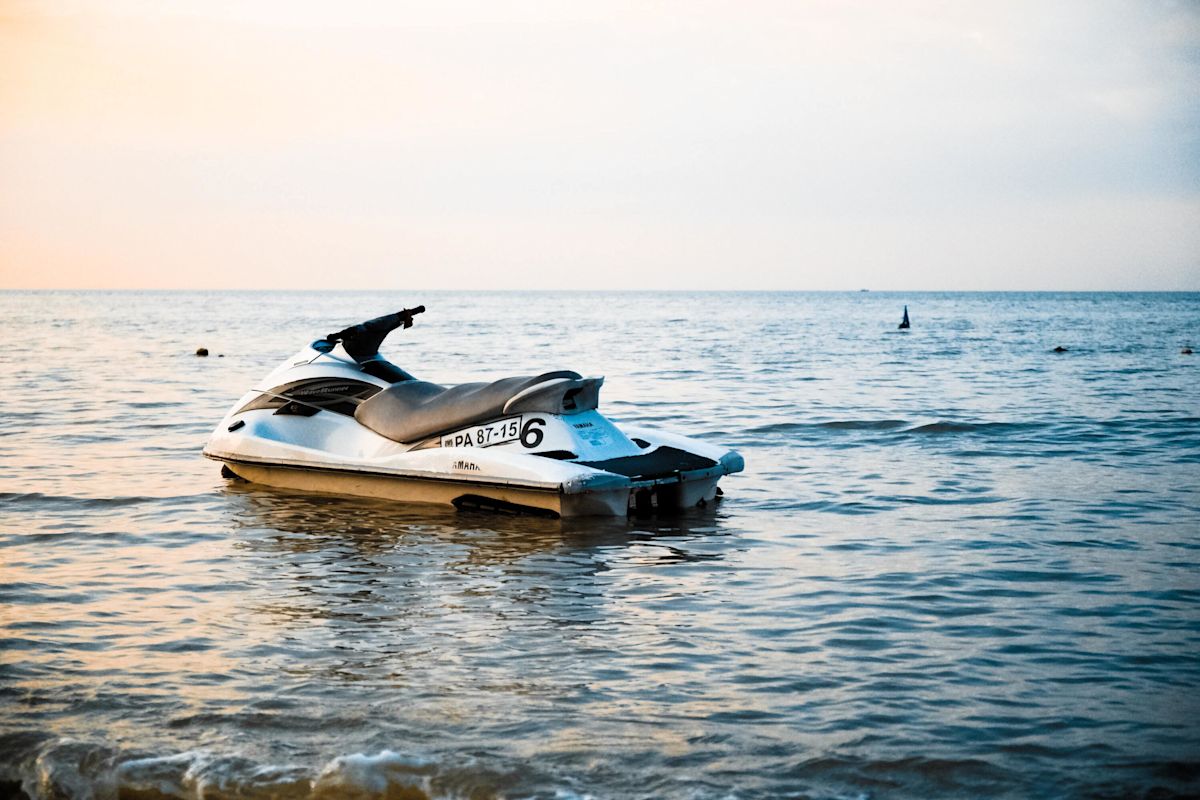
The temperatures are starting to drop, which means pretty soon ice will start creeping across your favorite lakes and reservoirs, sending your beloved jet ski indoors for another long winter. Don’t be sad — think of all the good times you had this summer.
And as you start thinking ahead to the good times you’ll have next year, remember that winterizing your jet ski can go a long way toward prolonging the life and performance of your watercraft. Even if you live in a warmer climate, yearly maintenance can make a big difference. An afternoon is all it takes to give your jet ski the TLC it needs before hibernation, and you can use the opportunity to give your fond farewells.
Because your jet ski relies on water running through its system to keep the internal parts cool, it will still have plenty of water in it when you bring it in for storage. Water + cold = freezing, and freezing is a major no-no for the jets and other internal components.
To drain your jet ski, first place it on its trailer. Make sure it’s tilted up so that the bow (sailor talk for front) is above the stern (sailor talk for back). Having gravity work with you will make the process just a bit easier. When the jet ski is in place, run the engine in short bursts until there’s no more water coming out of it. The bursts should be no longer than 30 seconds; there’s no more water running in the engine, so you could risk overheating.

Even though there’s no more water in the jet ski, traces of residual moisture can still freeze over the winter. When this happens, the moisture can expand and crack important parts and surfaces. To prevent this, you’ll have to run an antifreeze mix through the system.
To create your antifreeze mix, simply combine a 50/50 blend of water and RV antifreeze in a 5-gallon bucket. Then, run a hose from the jet ski’s flush outlet to your bucket. Throttle the engine again in quick bursts until the mix has run through the entire system. You’ll be able to tell this is done when you see the mix coming out of the exhaust.
You’ll want to store your jet ski while it’s gassed up, because an empty tank can lead to condensation, freezing and cracking. Stabilizing your fuel keeps your engine running clean come next spring and summer. Because the last thing you want is to put on your coolest sunglasses and fire up your “Yacht Rock” playlist just to stall out.
Most modern fuels contain ethanol, and while ethanol helps fuel burn more efficiently, it also attracts and absorbs water. Over a long winter of disuse, this process will eventually cause the water and ethanol mix to separate from your gasoline. And water running through your fuel system where there should be gas is bad news.
You can stop this process before it starts by adding fuel stabilizer, which prevents the fuel from attracting moisture and humidity. And you don’t need much — read the bottle or canister for specific instructions. It’s better to add fuel stabilizer first and then fill it with gasoline, but if you’ve already got some leftover gas in the tank, you’ll be OK adding the stabilizer before topping it off.
Lubricating cables, seals and any other moving or exposed parts will keep them from degrading in the winter. Seals may dry and crack, while cables can rust and corrode. A quick lubrication from a factory recommended lubrication oil or grease, will make a world of difference.
Foggy mornings on the water? No good. Fogging oil? Great! Much like the rest of the winterization process, fogging oil helps prevent moisture from settling in, icing up and damaging the jet ski in the winter months. Even if you live in warmer climates, stagnant water or moisture is bad news.
You’ll want to add fogging oil to your cylinder, carburetor and spark plugs. Remove your air filter to access the internal parts, then begin by spraying the carburetor and cylinders first. Idle the engine a bit so the oil gets sucked into the system and keep it idling until it stalls out. For the spark plugs, you’ll want to remove each one and then spray the fogging oil into each cylinder hole. Then, cover up the holes with a rag to prevent the oil from spilling or spraying and run the engine for a few minutes. You may also want to take this opportunity to do some spark plug maintenance. Dirty spark plugs can be cleaned up easily, but if they appear corroded, you can replace them. If you’re not sure, use a spark plug test tool to check.
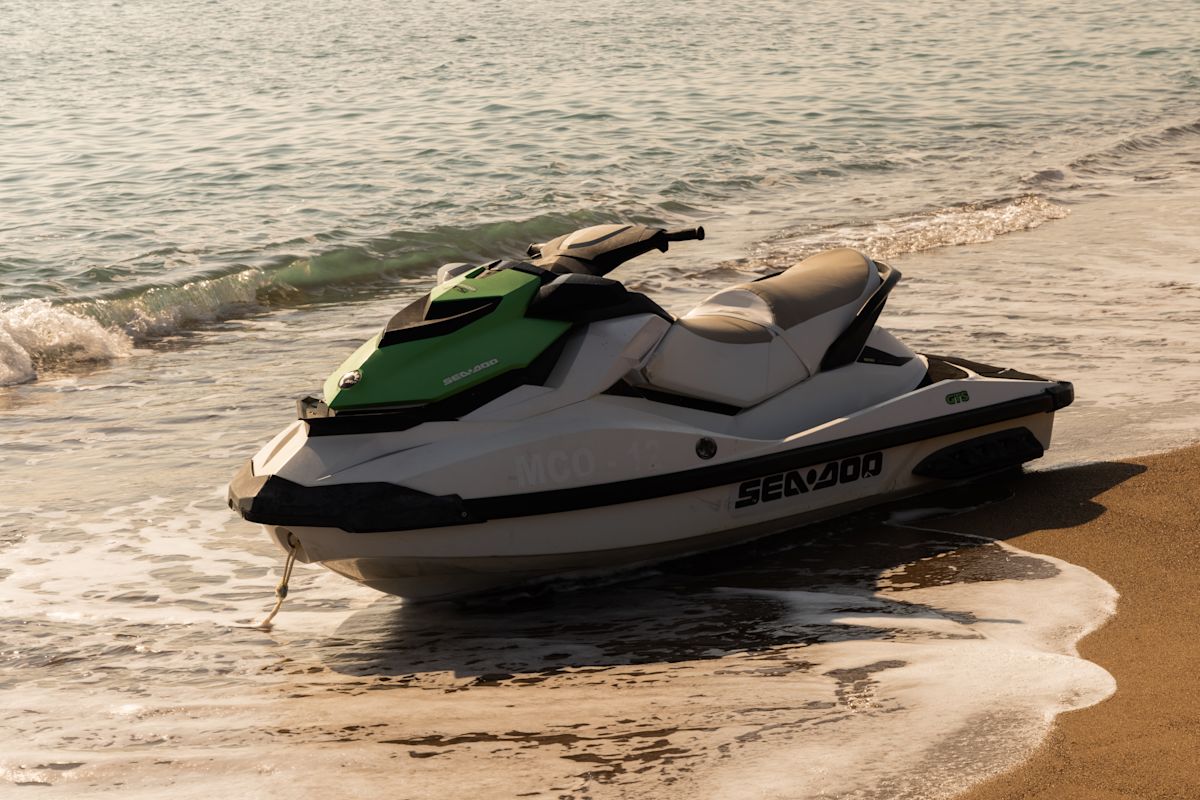
Jet skiing might be a great way for you to have fun and recharge your battery, but your jet ski’s battery needs love too. If you leave it connected all winter, it will slowly drain and might be totally dead by the time summer comes. Then your battery starts to suffer.
Disconnecting your battery is simple. It will usually be found in the engine compartment. In fact, you’ve probably already seen it by this point in the process. You’ll find specific instructions for removal in your owner’s manual, but generally, you want to start by disconnecting the negative terminal first, then the positive.
Store your battery in a dry place that doesn’t usually see cold or freezing temps. Never put your battery on the floor, even if you think it’s guaranteed to stay dry. After all, Charles Barkley makes guarantees all the time. Put yourself in the best position possible for summer and leave your battery on a trickle charger while it’s in storage.
Before you do your jet ski a solid, do yourself a solid and make sure you didn’t leave anything in your jet ski’s storage compartments (if it has any). This may not seem like a big deal now, but it will when you miss the first half of the family Turkey Bowl looking for those sunglasses. Not to mention that any soda cans you may have forgotten might freeze, explode and leave you a sticky surprise come spring. Crack the compartments open a bit to prevent moisture from being trapped, and throw in a dryer sheet to prevent critters from wandering in.
You can do this step at any time, but it’s hard to get back into the cleaning mode once you’ve moved on. Strike while the iron’s hot and the water’s cold. Use soap and water and be sure to remove any salt stains if you’ve been riding in the ocean. Remove any salt from controls, along with any lingering algae or grime to help them last longer. Finally, add a fresh coat of wax to the hull for extra protection against moisture (looking uncool).

The most important step in winterizing your jet ski is to hide it from winter weather. The easiest and most accessible place to store the jet ski is on its trailer. Protect it with a jet ski cover or tarp, even if you’re storing it indoors and/or outside in a dry climate. Remember, dust and dirt can still cause damage.
And since even the finest watercraft covers are no match for a particularly determined squirrel, plug any holes or outlets with a sturdy packing material to keep critters and bugs from settling in. Steel wool works great.
If you don’t have a jet ski or personal watercraft, but are still jealous enough to have read this far, find your next one on KSL Classifieds.