
Local Insights
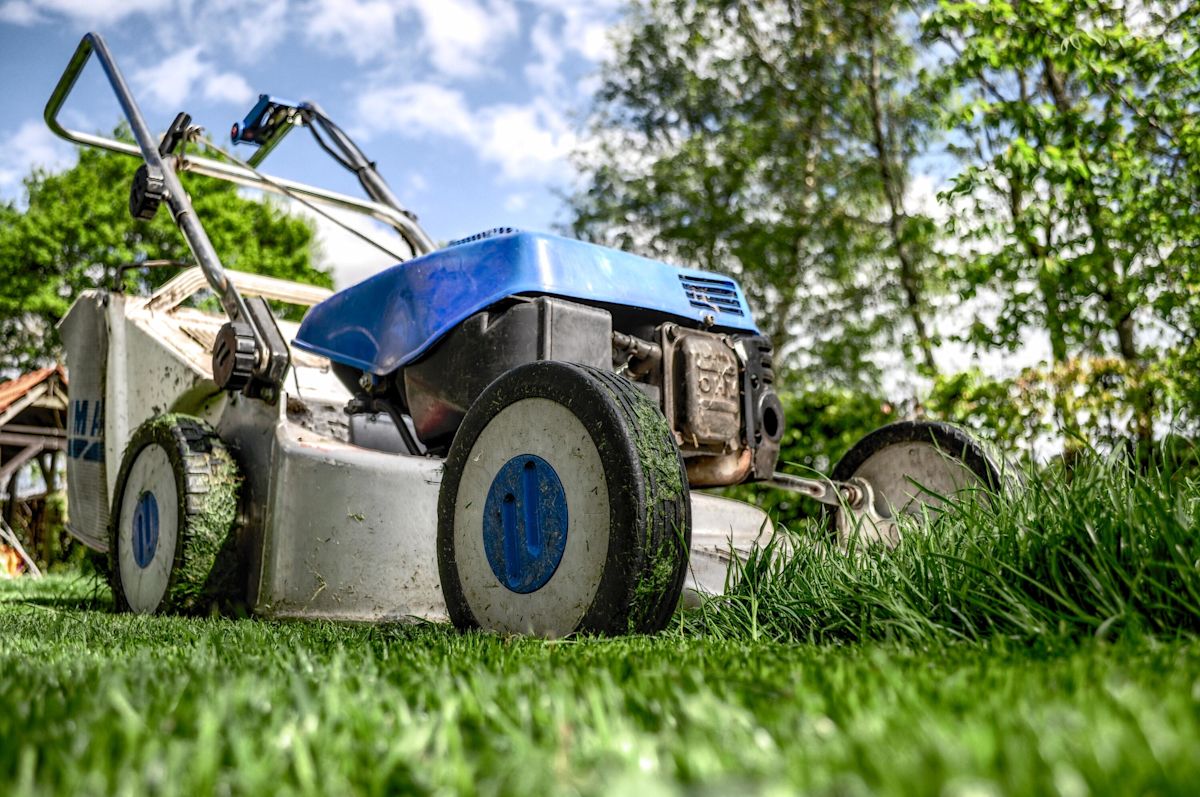
After a long summer playing host to parties, games and the occasional slip and slide, your lawn is ready to hibernate, which means it’s time for your lawn mower to take a much needed break as well. But prepping your mower for the winter is more than just closing the garage and calling it a day.
A bit of easy maintenance before winter storage can go a long way toward prolonging your lawn mower’s life, especially in Utah's cold climate. It only takes an hour or two to winterize your lawn mower. You can also use the time to say your tender goodbyes and toast to another great summer.
First things first. The most important thing you can do for your mower is to not leave any untreated gas in the tank over the winter. Gasoline left in a mower will start to degrade, which can lead to clogs in the fuel lines and damage to other parts in the fuel system. You don't want to start the next spring frustrated — and with an overgrown lawn. The safest bet is to empty the tank completely, especially since anything with fuel in it can be a fire hazard. If there’s a lot of fuel left, you can drain or siphon it into a canister or container, add a fuel stabilizer and keep it for the spring (or use it in your snow blower). If there isn’t much fuel left, or if you’d rather not have to deal with all that gas, you can simply burn off the rest of the fuel.
Your other option is to add stabilizer to the gas in the tank. This will prevent the evaporation and condensation that often causes fuel to clog the engine and damage the carburetor. If you choose to add fuel stabilizer, make sure to run the engine for a few minutes to properly spread the fuel mix through the lines.
If you have an electric mower, meanwhile, you won’t need to worry about fuel. You will, however, need to make sure you store your battery properly. Exposing a battery to cold temperatures can shorten its lifespan significantly. Bring your battery inside and store it in a temperate place away from flammable substances and any potential water damage.
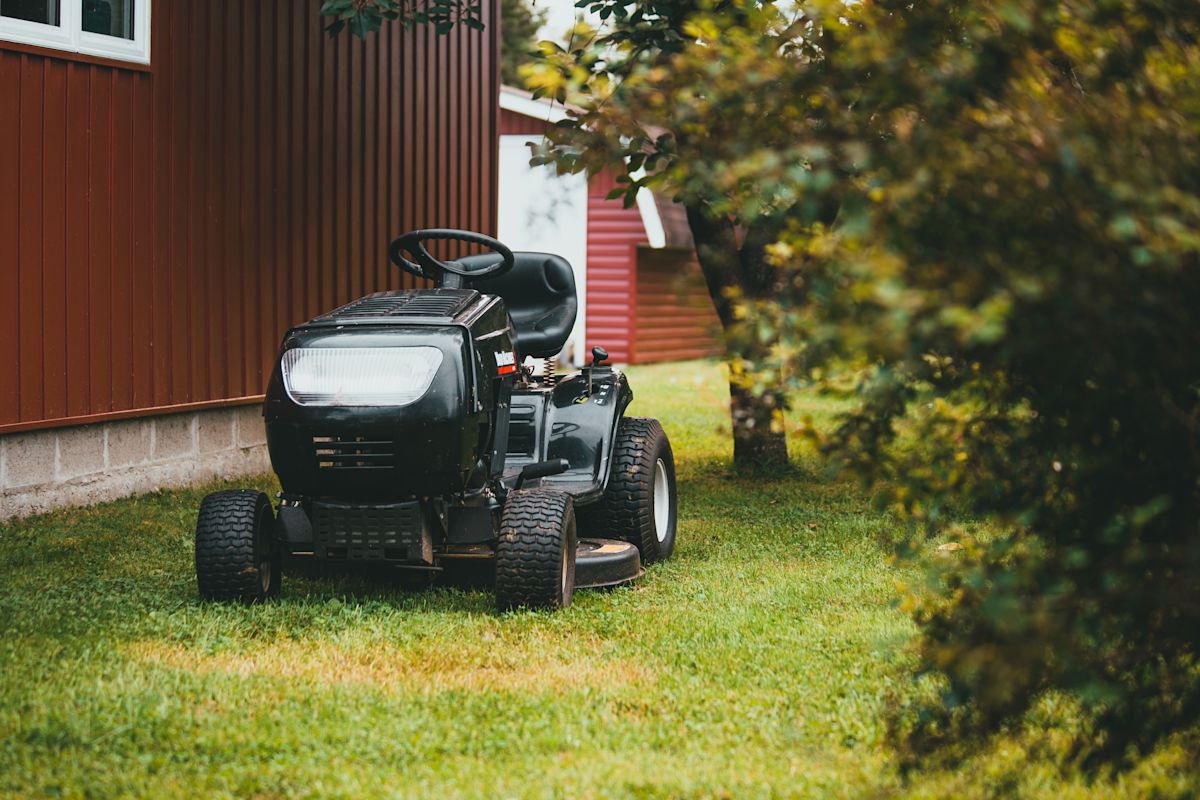
Disconnect your spark plug to ensure that there’s no chance of the engine starting during the rest of the process. Read that again, because it’s important. Read it a third time. OK, good. While the spark plug is out, spray a small bit of lubricating oil into the cylinder. Then pull the starter cord several times to distribute the oil into the cylinder.
Plenty of folks simply disconnect their spark plug during this step, but given how relatively inexpensive a new spark plug is, you’d be doing a great bit of yearly maintenance by simply replacing your old one. If you think it’s got some life left you can always test it with a spark plug test tool. But most spark plugs only last for about a year, and if you don’t already have the test tool, a new one costs almost as much as a new spark plug.
While you’re swapping out spark plugs, check the air filter too. A dirty air filter will restrict the amount of air in the engine, preventing it from burning gas efficiently. If your mower has a paper filter, replace it with a clean one. If it’s a foam filter, simply clean it with soap and water. And keep that soap out — you’ll need it for later.
Since old oil has impurities that can damage the engine, it’s best to winterize with new oil. Drain the oil from your mower and swap it out for the manufacturer recommended oil. To coat the inside of your mower with the newer oil, run the engine for a few minutes. If possible, try and recycle the old oil. You can do this at a local auto-parts store, car repair shop or waste transfer station.
You’ll need to remove the blades in order to change the oil and clean the mower’s undercarriage, but you can also use this opportunity to sharpen the blades (and your sharpening skills). Keeping your blades sharp will result in a cleaner, quicker cut, so you won’t have to keep mowing the same area twice. If you don’t have the tools or don’t feel comfortable sharpening the blades, you can always take it into a shop. And if the blades seem bent, cracked or chipped, you should replace them. Be sure to use thick work gloves when handling the blades. After you’ve sharpened them, make sure each side is balanced. If it seems like one side is leaning more than the other, you’ll have to sharpen away some more metal to keep things even. And even if you haven’t sharpened your blades, it’s still a good idea to check for balance, which is essential for a nice, even cut.
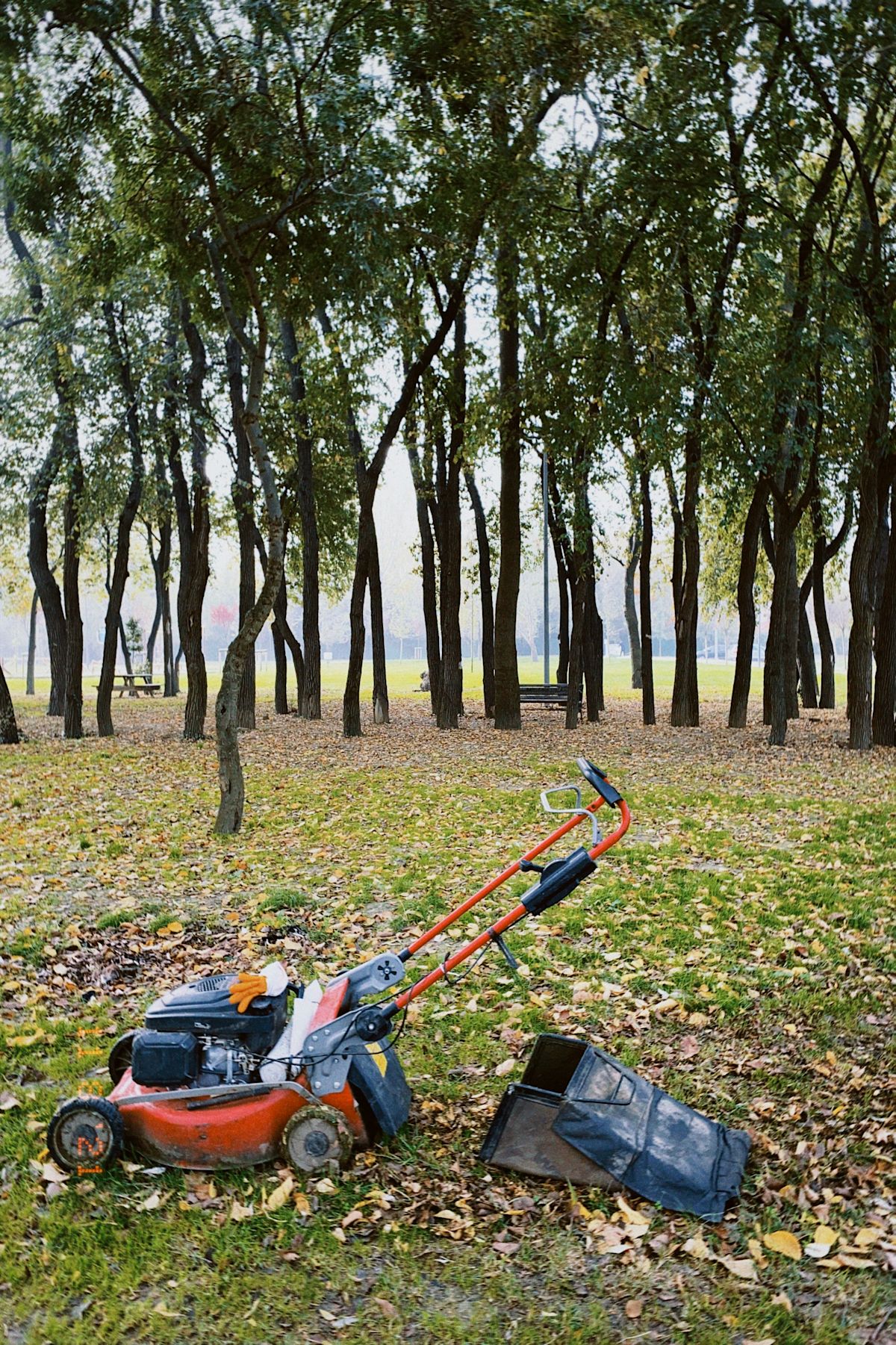
This is one of the most important steps to take before stowing away your lawn mower for the winter. It seems harmless to leave those chunks of grass clippings in the undercarriage, or deck, but they can hold in moisture, which leads to rust. And the only thing you want to get rusty over the winter is your lawn striping skill.
Use a putty knife or screwdriver to remove the caked-on clippings. If you’ve got a pressure washer, you can also use that. If you don’t, you can always rent one. And when you’re done cleaning the deck, feel free to spray it with some WD-40 for some extra rust protection.
Still got that soapy water from before? Cleaning the outside of your mower ensures that no dirt, grime or gunk will damage any important parts of the mower or engine. But more importantly, it sets you up for that triumphant spring day when you finally pull out your squeaky clean mower, to the envy of the whole neighborhood.
Hose off the outside or simply wash it with a rag and warm water. Just be sure to dry the mower fully before you store it. And don’t let the neighbors see — you want it to be a surprise.
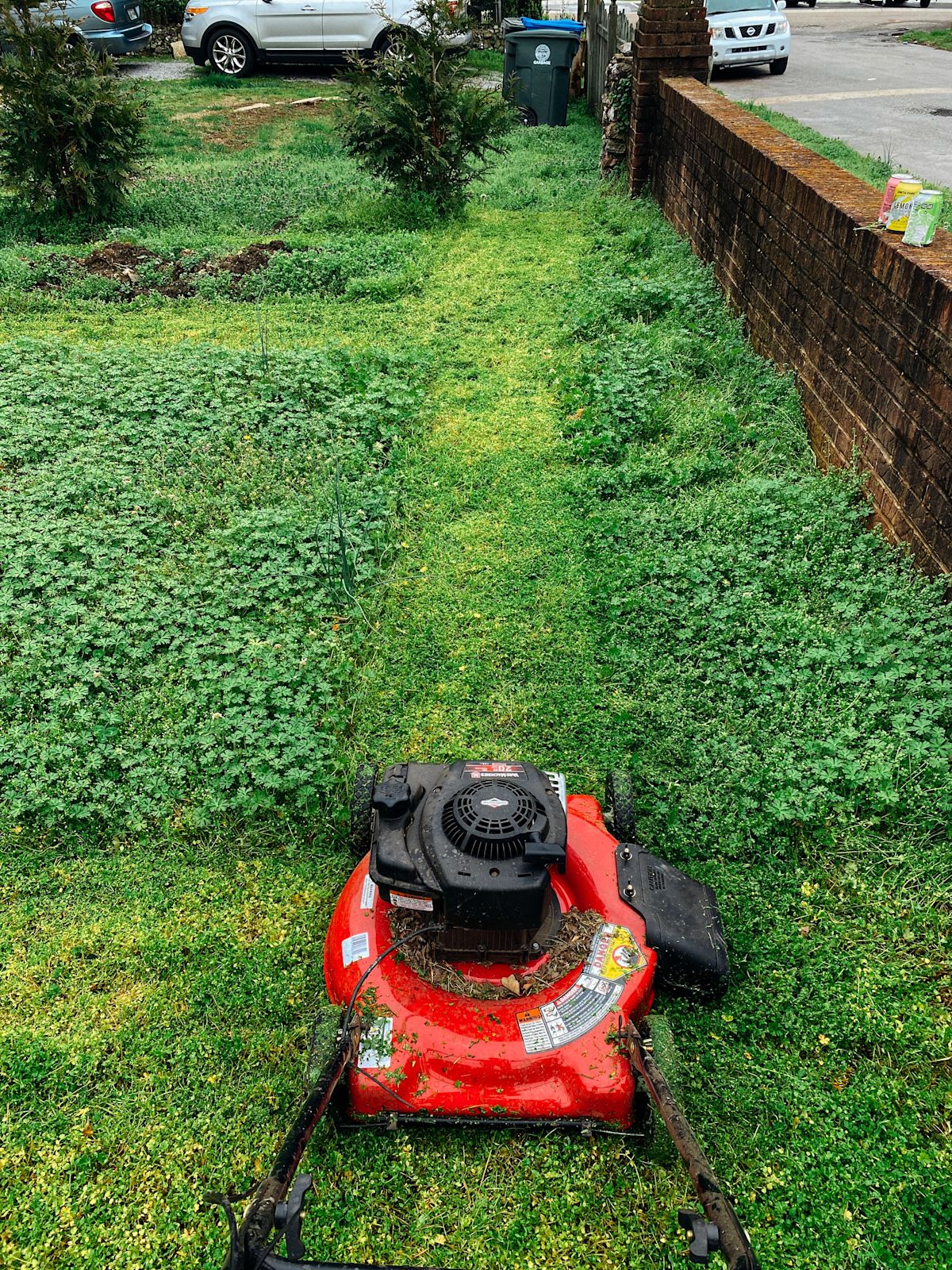
Finally, cover your mower up with a tarp, stow it away and you’re all set! Keep it in a space that’s as warm and dry as possible to prevent cold weather or water damage. And if you’re worried about critters gnawing through the cords and hoses, leave some mothballs near the mower.
Not satisfied with your current lawn mower? KSL Classifieds has you covered with hundreds of new and used listings. And if winterizing your lawn mower is just the start of your home and garden needs, we can help you there, too.