Pets

Bringing a new puppy home is so much fun! Suddenly you have a bundle of energy ready to play and cuddle and play some more. That’s the easy part. As a good pet parent, you’ll also need to teach your dog how to behave. And as first-time puppy owner Katie Gleed quickly discovered when she welcomed her goldendoodle, that task involves dedication and patience.
Gleed, business success director here at Deseret Digital Media, found her bundle of curls was like a toddler: demanding constant attention and lashing out when exhausted.
“It was really hard when people kept telling me ‘it’ll be worth it in two years,’ and I’m thinking, 'OK, if I make it, but right now I’m drowning.'”
To get over the puppy blues and move toward the joys of pet parenthood sooner, try these helpful puppy training tips.
Search dog listings on KSL Classifieds
Just like your human relationships, you’ll be happier with a compatible companion. Gleed said she chose her dog in part because her family has allergies. She has a curly, short-haired goldendoodle, a crossbreed which tends to shed less dander — the cause of most allergic reactions.
When choosing the breed of dog to adopt, also consider your lifestyle. Do you live in a large home or small apartment? Are you up for outdoor adventures or do you prefer short walks around the neighborhood? Are you a first-time dog owner? Do you have children? Keep in mind how much your puppy will grow, too.
Find dog listings on KSL Classifieds
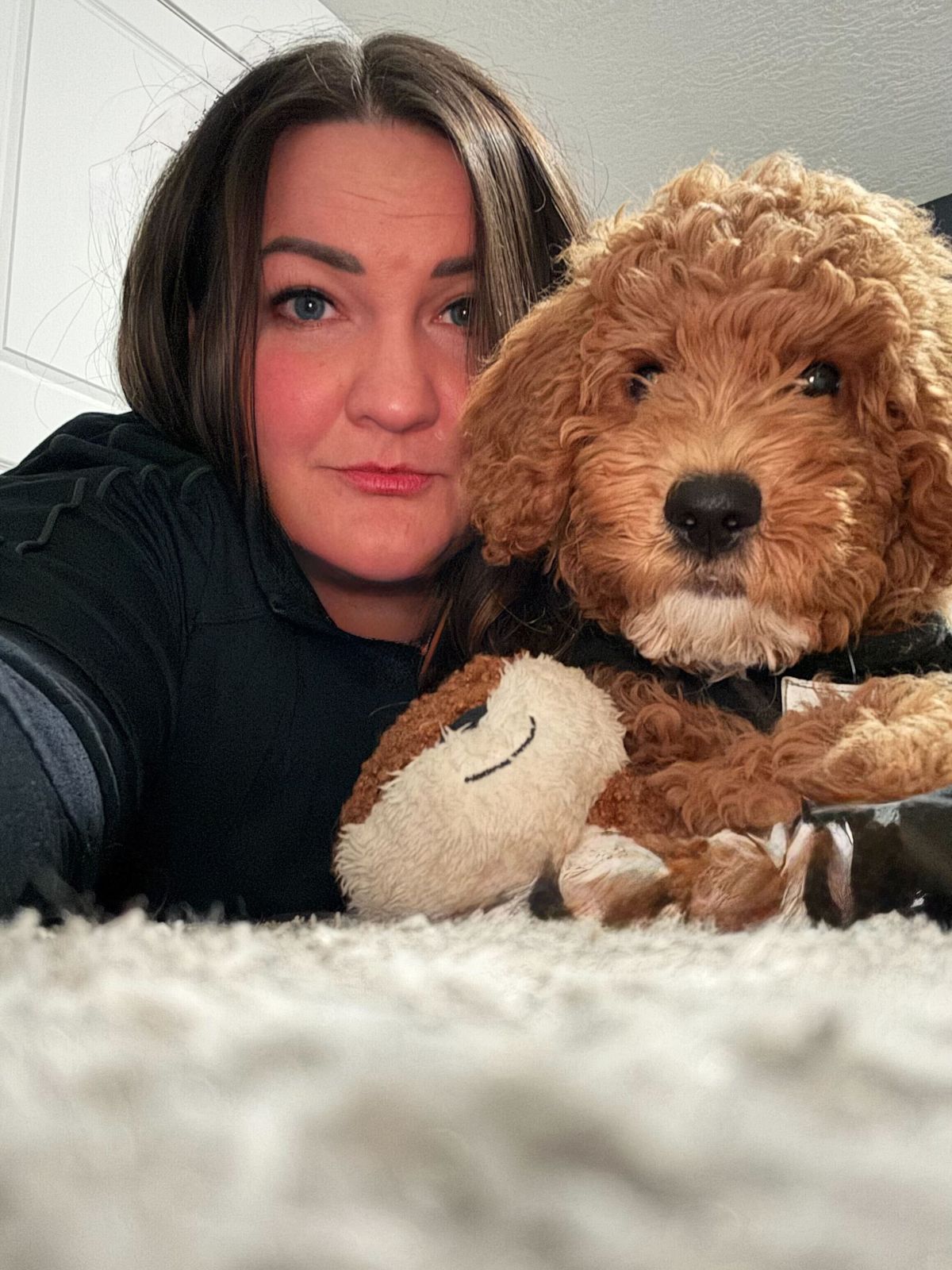
Katie Gleed and her puppy, Salty, have learned to work together during training. Photo by Gleed.
Even if you’re mentally ready for a new family member, your home may not be. It’s a good idea to puppy-proof your house to keep everyone — and everything — safe. Get set with these puppy essentials.
It’s important to give your doggo its own safe space. Provide a comfortable, climate-controlled spot where your pet can retreat when it feels tired, scared or overstimulated.
Shop dog supplies on KSL Classifieds
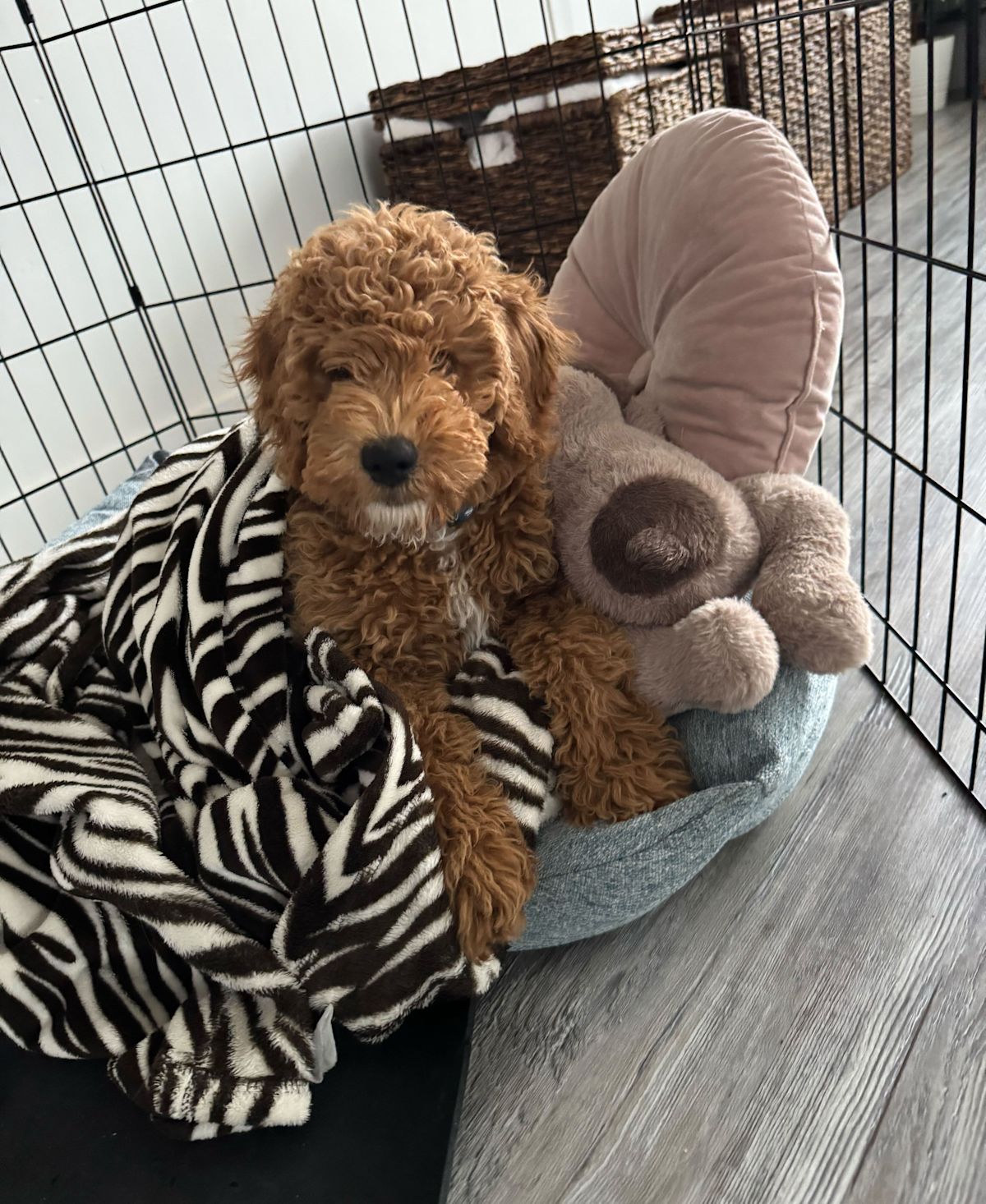
Give your new pup it's own safe place, where it can relax and recharge. Photo by Katie Gleed
The nutritional needs of your new puppy will be different from those of an adult dog. Most brands carry a line of food formulated specifically for pups. For many breeds, any high-quality puppy food will do.
If you have a larger breed canine, it may need different nutrients to prevent future bone and joint issues. Consult with your veterinarian if you have questions. They can also tell you when it’s time to switch to adult pet food.
Factors such as size, activity level and reproductive status will affect the amount of food your canine needs. For example, a 3-pound pup would only need a half cup of food per day, while a 13-pound pet would need 1.25 cups. Many dog food packages have a reference chart to help you determine the correct serving size.
It’s tempting to give your puppy some of your favorite human foods, especially when little Spike is looking at you so earnestly. It’s OK to share a bit of some things, but according to the American Kennel Club, there are some treats you should never feed your puppy or adult dog. Those include:
Chocolate
Cinnamon
Almonds, macadamia nuts
Garlic
Ice cream
In general, a healthy, weaned puppy should eat three to four times per day until they are about 6 months old. After that, twice a day should keep your pup healthy and satisfied. Be sure to always have drinking water available.
Find automated feeders on KSL Classifieds
Feed your puppy at the same time every day. This helps keep its digestive system running smoothly and lets you keep track of eating habits. It also helps with potty training, as dogs usually need to relieve themselves about 30 minutes after eating.
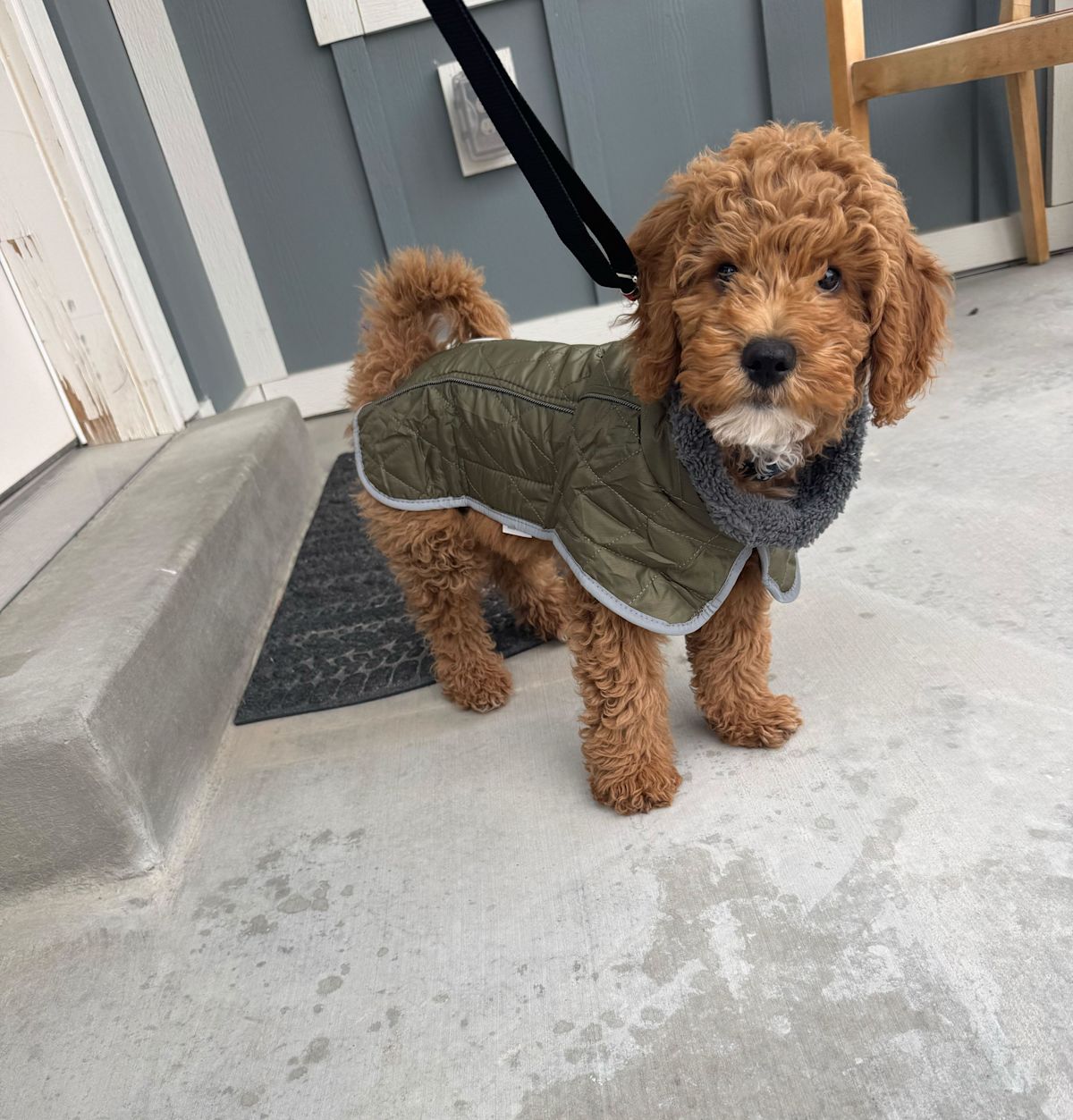
Take your pup on regular walks, but don't overdo it. They need plenty of sleep too. Photo by Katie Gleed.
Keeping a routine that includes regular mealtimes, appropriate exercise and adequate sleep will help your puppy get into the groove of life in your home. Gleed felt like she finally got a grasp on puppy parenthood when someone recommended a kennel schedule.
“He needs to be in the kennel for 18-20 hours,” Gleed learned, “because then he’ll get the sleep he needs. He’s actually happy in there. If your puppy is getting bitey or destructive, chances are they are tired and trying to stay awake.” Mental toys, Gleed noted, are just as exhausting as physical exercise to a puppy.
“Getting a kennel schedule and having boundaries made it so I could set him up for success,” she said. “And I was a whole lot happier too.”
With moderation in mind, plan to keep up with these puppy essentials.
Daily walks: For puppies, plan on five minutes per its age in months: 3 months = 15-minute walks per day.
Play time: Games with your pet provide mental and physical stimulation, and they help build a bond with you.
Vet checkups: Keep your pup up to date on all vaccinations.
Prevention: Keep up with flea, tick and parasite prevention.
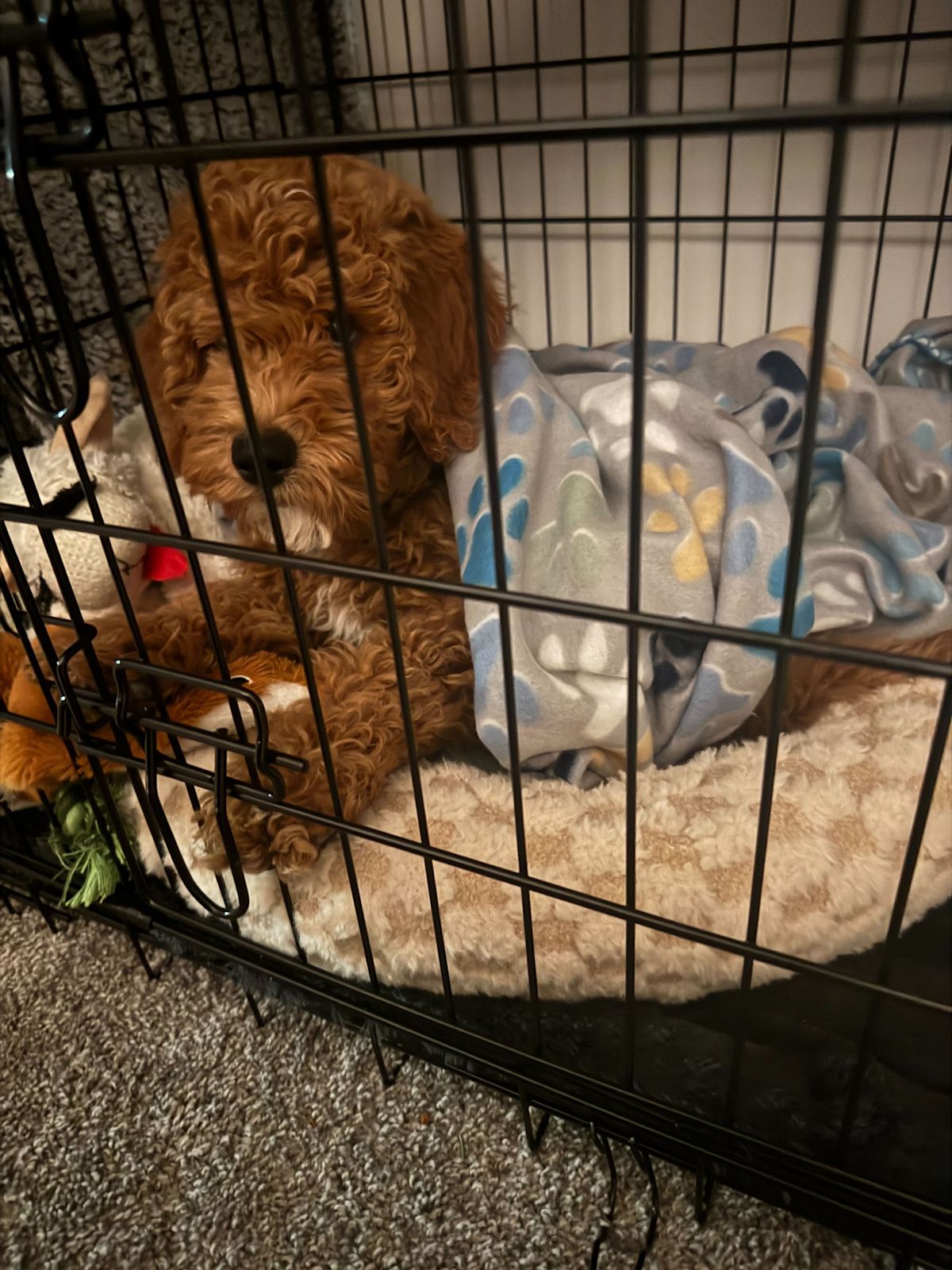
Katie had a crate for her pup to encourage enough rest time. Photo by Katie Gleed
From getting your pet housebroken to following commands, puppy training is hard work. “I figured if I could be disciplined about a schedule, he would be too. But wow, puppies are not predictable,” Gleed said. That’s why it’s important to get started early.
Quick puppy training tips for first-time dog owners:
Start training as early as 8 weeks.
Keep sessions under 10 minutes.
Use positive reinforcement.
Stick to consistent feeding and potty schedules
Prioritize sleep and crate time
Decide where your pup will do its business, then take your doggo there every time during the training phase. Dogs smell their territory, so you need to be consistent. And if there’s an accident in the house, be sure to clean it up thoroughly.
Initially, you’ll need to take your pet outside often — every two hours. That may be longer if your pup is older. Also watch for visual cues. Is your pup pacing in circles? Barking or scratching at the door? Squatting? These are good indicators that it’s time to go out.
Obedience training is essential if you want a well-behaved pet — and if you ever want to take it out in public. You’ll be welcomed more readily at dog parks, local events and even your favorite stores when your pet knows it’s time to refrain from barking, biting and other inappropriate behaviors.
Training can begin as early as eight weeks. Keep your learning sessions short — under 10 minutes — and always end on a positive note, regardless of how well it went.
And, Gleed said, give yourself a break. “When you’re maxed out, step away. Put him in his kennel and step away.”
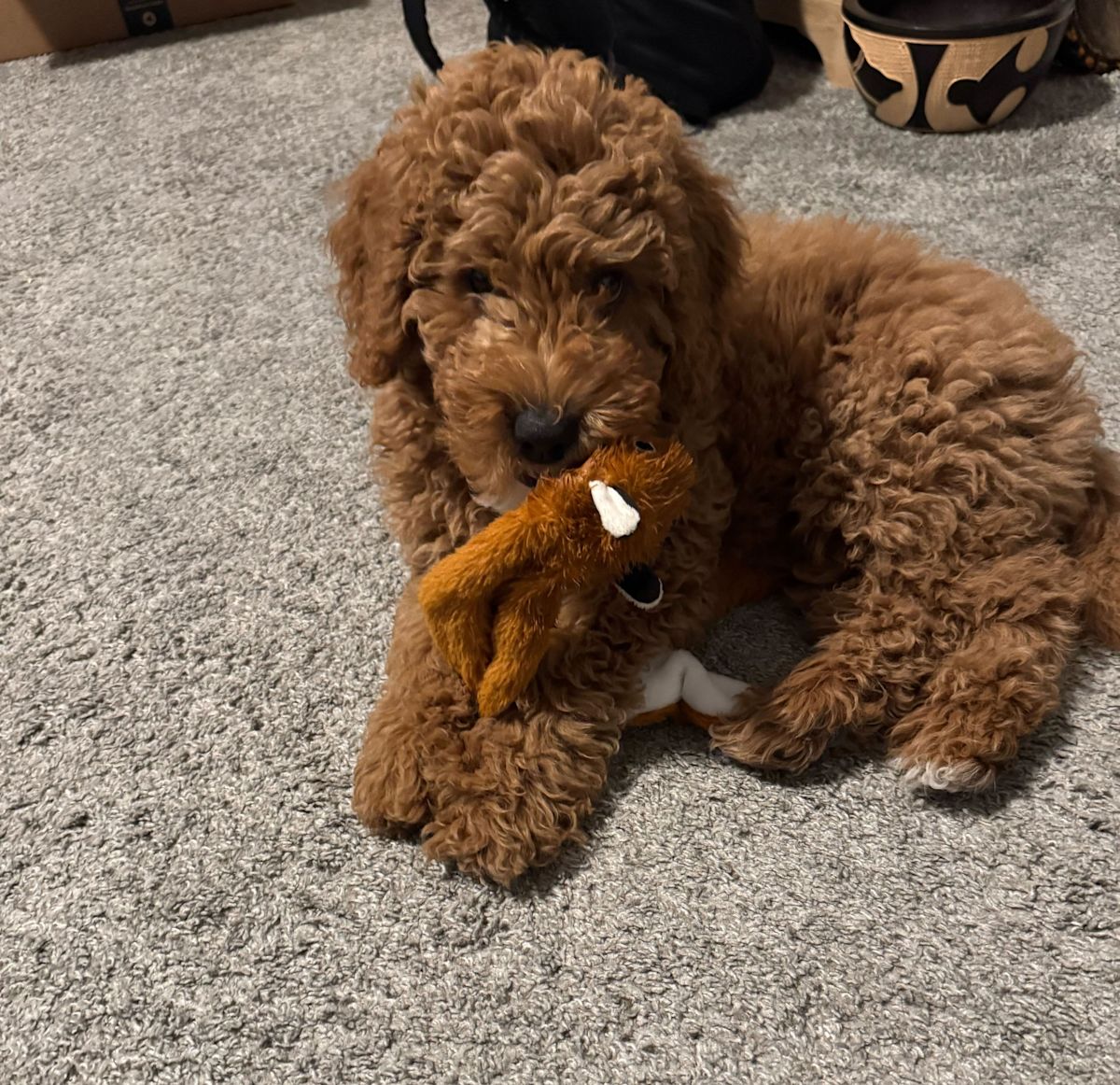
A favorite toy gives Salty comfort and mental stimulation. Photo by Katie Gleed
You can teach your dog to follow basic commands such as “sit,” “stay” and “come” using positive reinforcement. Every time your dog obeys, immediately offer a reward. This might include a special treat, a quick game of fetch or lavish praise — whatever your pup likes most.
To teach your pup to come when called, for example, start by holding your pup on your lap, saying its name, then giving it a treat. Next, place a treat on the floor near you. After the treat is eaten, say your dog’s name and give another reward. Repeat this activity, moving farther away. Make it a game, tossing the treat to different spots, then calling your pet so it turns around to see you. The lesson/game can progress more each training session.
Be sure to always use a happy voice when you say “Good dog!” Some people also find success using a clicker to consistently reinforce good behavior.
Find puppies on KSL Classifieds
For more help with issues such as excessive barking, chewing or digging, read guidebooks such as “Puppy Start Right,” ask other pet parents or take an online course. If you prefer in-person puppy training tips, contact the Humane Society of Utah. You’ll find a list of certified trainers from the organization’s behavior training program.
“I had to be vulnerable after that first week, face down, crying on the floor,” Gleed said. “I talked with friends who had dogs, family members and even the breeder.”
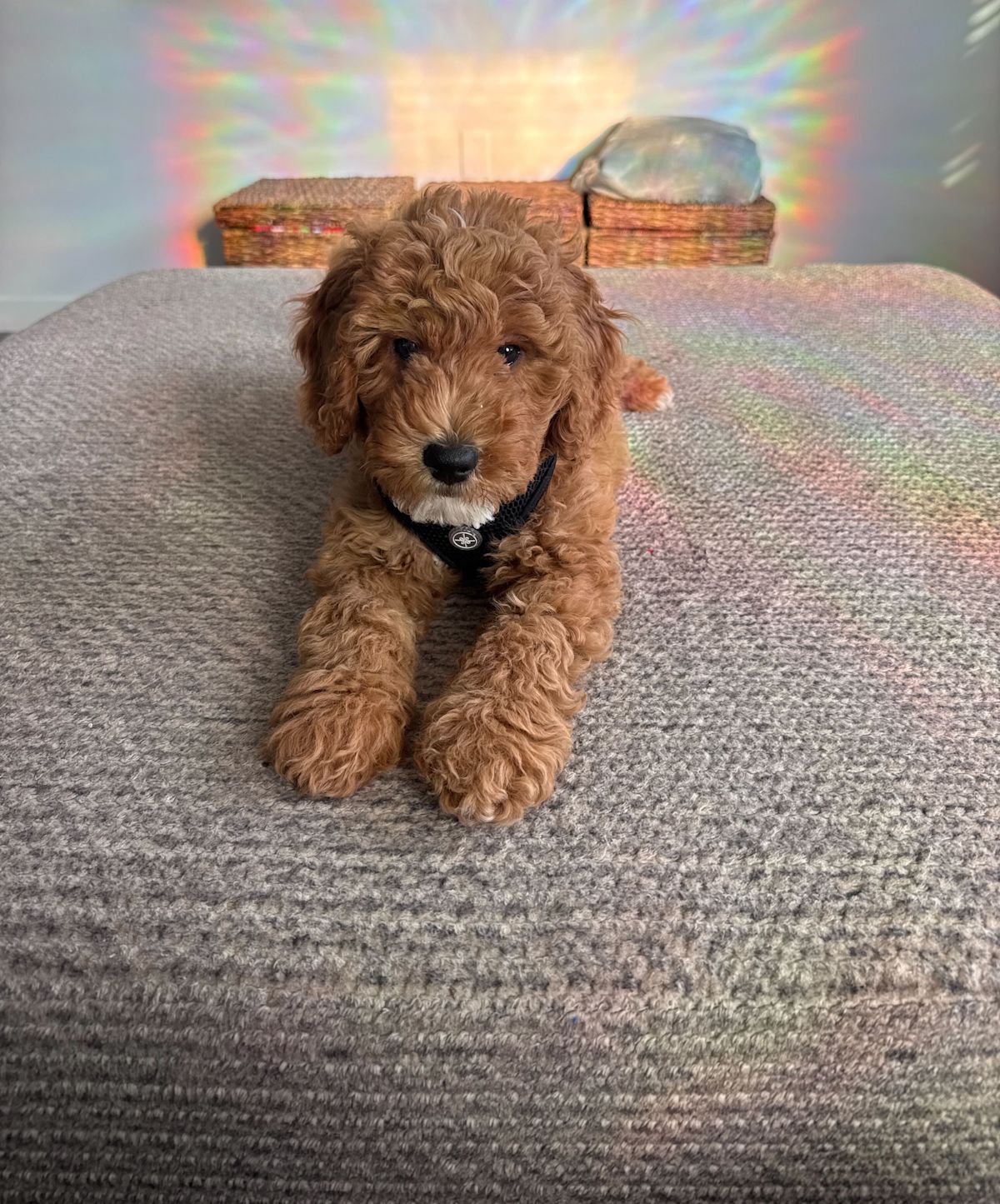
Need help training your pet? Call an expert. Gleed relied on other dog owners to help understand how best to train Salty. Photo by Katie Gleed
There’s a big learning curve when you’re a first-time pet owner. Stick with it and you’ll soon have a best buddy that fits right in with your family. It’s been a month since Gleed brought home her pup, and they’re now starting to be a great team. She’s excited about an appointment with an obedience trainer next week.
“I’m feeling a lot better,” Gleed said. “Now I just crazy love him. He's my little buddy and it just keeps getting better and better.”
Find more ideas to keep you and your pooch happy on the KSL Classifieds Resource page. You’ll also find fun insider tips, from our staff’s favorite products to the best animal movies to watch together.