
Home & Garden

There are two kinds of people in Utah: Those who love the snow, and those who endure it. If you’re the former — and why wouldn’t you be — you understand the thrill of whoosing through white fluff, glittering ice crystals flying all around you. And once you’ve done it on a snowmobile, you’ll be wanting one of your very own. KSL Classifieds explains what to look for when shopping for one.
If you’re a beginner, or just like saving money, buy a used snowmobile on KSL Classifieds. In general, prices range from $5,000 to $20,000, depending on model, year and condition. Do a bit of research before shopping, so you’ll get one that matches your budget and your plans.
When you calculate what you can afford, also take into account the cost of fuel, maintenance, insurance and storage. Don’t forget the clothing — helmets, snow bibs, gloves, balaclava or neck gaiter — you’ll need them all if you’re going to actually enjoy riding on your snowmobile.
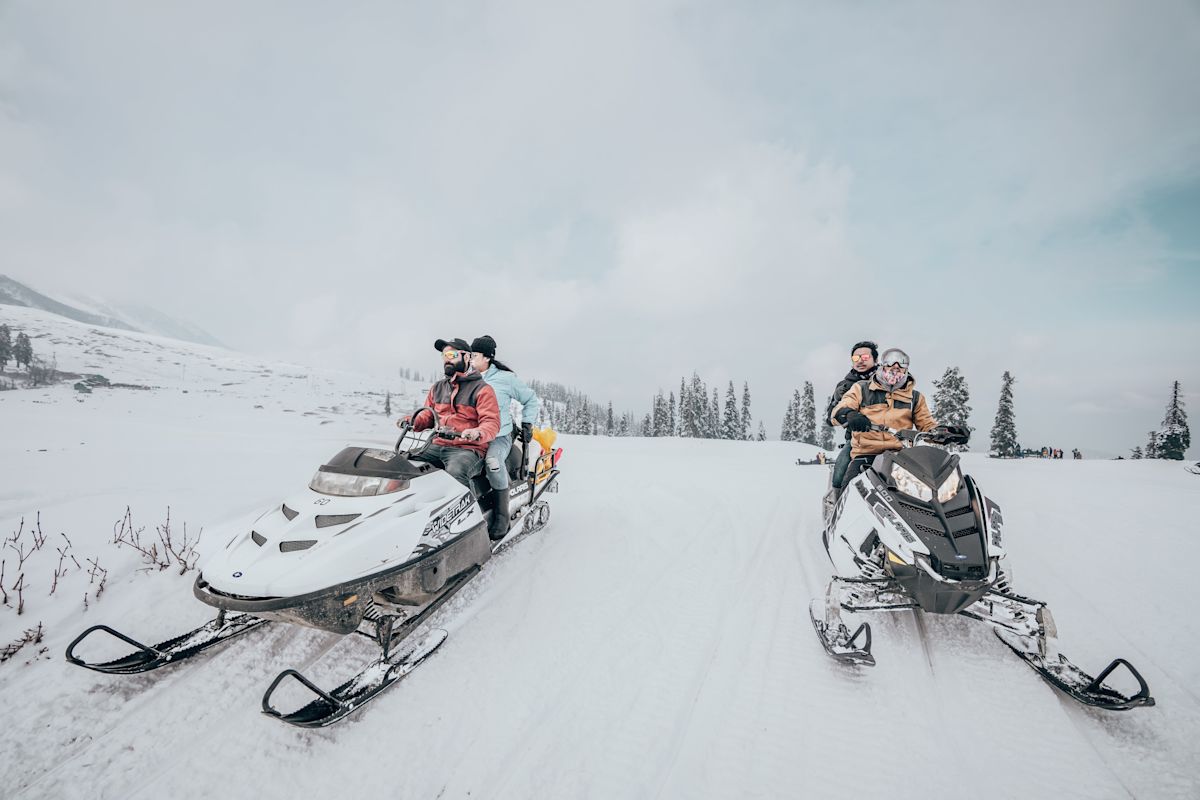
While all snowmobiles are made to take you swiftly through the snow, they are built for different purposes. Choose your sled based on what type of riding you’re planning to do.
Sport utility: For utilitarian use such as hauling your Christmas tree or grooming trails
Trail: These are designed to drive at high speeds on groomed trails
Touring: If you’re in it for the scenery, this kind gets you there in comfort
Crossover: For riding on and off trails
Deep snow: Designed for backcountry aficionados who love to climb steep chutes and weave through trees
If you’re new to snowmobiling, try renting a few different ones before committing to ownership. As you try them, you’ll get a better idea of what you’ll be comfortable riding.
Aside from the type of snowmobile you want, study up on the many brands, such as Polaris, Ski-Doo, Yamaha and Arctic Cat, as well as different models. Read articles about them on reputable sites, and check out comments on forums for honest reviews.
Similar to vehicles, some model years tend to have more problems than others. So, if you’re not mechanically inclined, you may want to consider others first.
Once you have a general idea of what you want, search KSL Classifieds listings. Closely examine the pictures, looking for any cosmetic damage. If it’s obvious — say a cracked bumper or a large dent — you may want to keep looking. While a used snowmobile won’t be in perfect condition, you want to avoid a machine that’s significantly damaged.
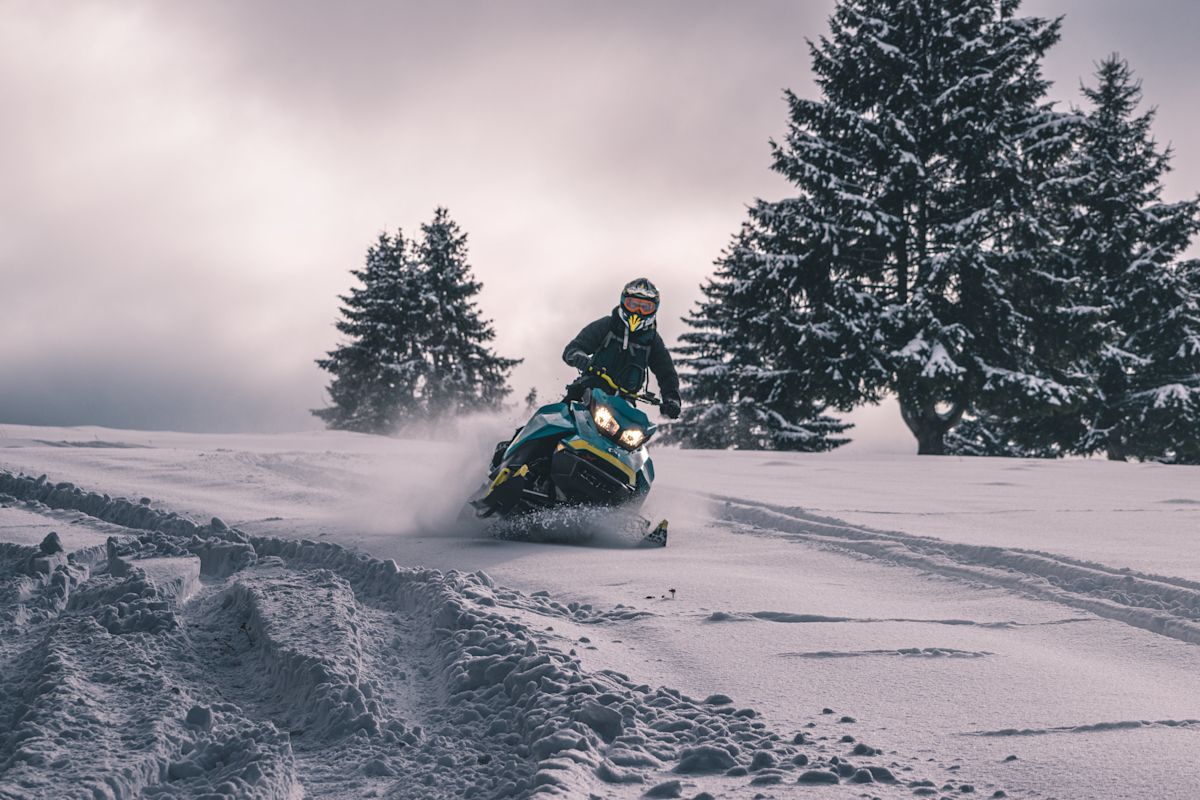
A used snowmobile with less than 3,000 miles is considered low and should have plenty of years ahead. Between 4,000 and 8,000 miles is considered average, while more than 8,000 is high. As with most vehicles, higher mileage usually means a lower asking price.
On KSL Classifieds, you can use Messages to reach out to sellers to ask questions about the snow sled’s history.
Has the snowmobile been in an accident?
How long have you owned it?
Was regular maintenance done? Do you have records?
How has it been ridden? (More like a teenager or a grandpa)
Has it had any issues?
When you see the machine in person, check its structural integrity. First, get an overall view of the snowmobile. Stand in front of it: Does the bumper look straight? Does everything line up? If not, the sled may have rolled over. If the bulkhead is cracked, that’s a sure sign of a crash, which could mean damage to the entire suspension system. Best to move on.
Now check from the rear. Is the snow guard and rear bumper damaged? Are there cracks you didn’t see in the pictures? Next, inspect the skis. Any warping could mean they’ve hit something they shouldn’t have.
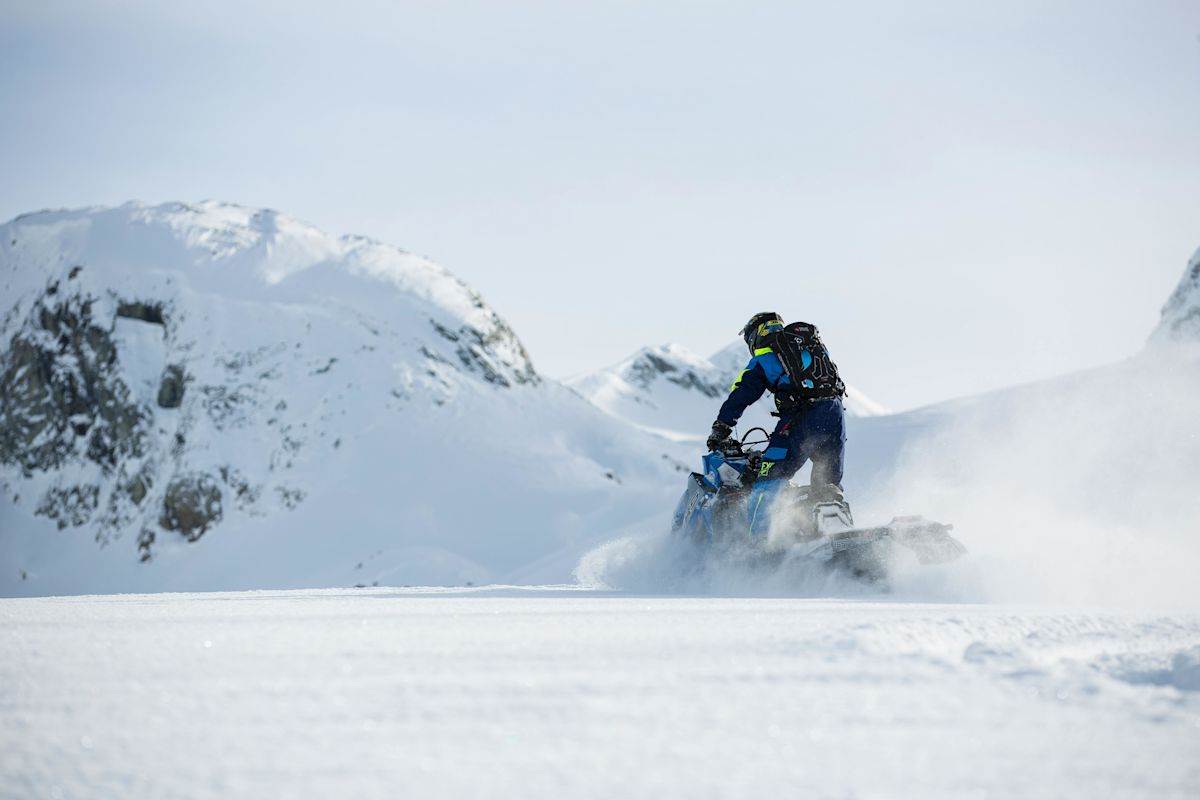
Grab hold of the handlebar and move it back and forth. Does it catch or feel resistant? This could also indicate it’s been in a wreck. Also, look for any poorly done touch-up paint that may be hiding other flaws. Any rivets or welding that look different or out of place are signs of repair work, as well.
Finally, check the frame and the nun (the undercarriage between the shocks). A bent frame will seriously wear on other parts, which could mean a lot of future expense for you. Pass on that one, too.
Aside from the physical condition of the motor sled, be sure to check the odometer. The mileage in the listing should match or be within just a few miles of the actual number you see.
Check the engine’s condition, as well. Remove both the engine and muffler covers to verify there are no dents or other damage that may be due to a run in with a tree or rock. While you’re under the hood, verify the belt is in good shape and look for any oil patches that could indicate a leak. Checking the engine compression is also recommended; it should measure between 125 and 130 pounds per square inch.
Inspect the shocks, because they are crucial for absorbing impact while you’re riding. While straddling the snowmobile, push down on the front end, then the rear. Is it too springy? Did any oil leak out of the shock itself?
Lift the rear of the sled and spin the track to inspect it. Do this several times, looking for missing tread, excessive wear or tearing. Push the wheels and sprockets around while you’re at it, checking that they aren’t damaged or loose. Make sure there are no missing bolts, which can be pricey to replace.
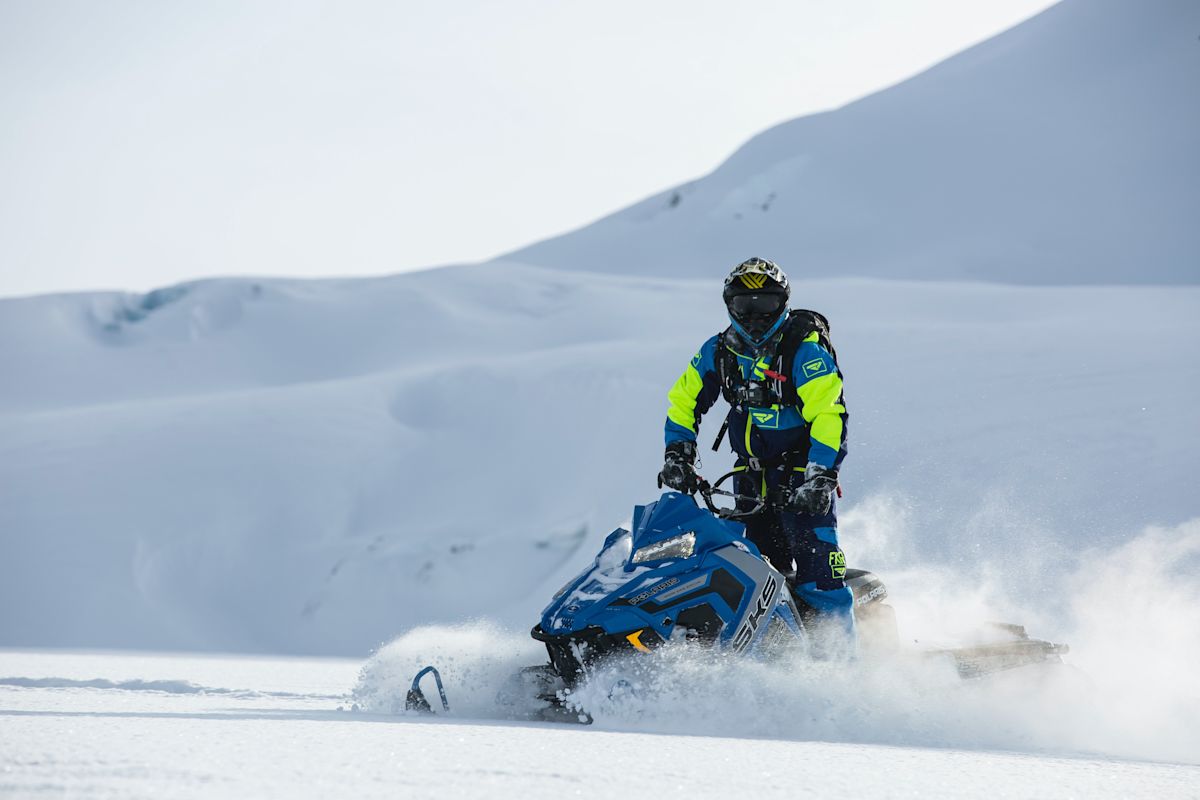
Look for any signs of moisture, corrosion or rust. If the previous owner didn’t keep it covered during transport or storage, there may be salt damage from Utah’s roads. Also, check the ground beneath where the snowmobile is parked. Are there any leak puddles?
If possible, take the used snowmobile for a test ride. When you set up an appointment to see it, ask the owner to keep the engine cold. This way, you can test whether it starts easily. You may see some mild smoking — that’s normal. Huge plumes are not.
As you drive, pay attention to the engine noise. Be wary of any odd sounds: knocking, rattling, high pitched whining or clunking when you shift gears. Any off sounds could indicate worn parts. Check all the switches, lights and any other features (such as grip hand warmers).
If you can’t take it for a spin, raise the sled so its tracks are off the ground. You can then rev the engine and check for any sounds or other issues. Let it run long enough to fully warm up, then check for leaks.
Search hundreds of new and used snowmobiles on KSL Classifieds. Once you find the motor sled that checks all the right boxes, make an offer. If you can’t afford one just yet, rent one on KSL Classifieds instead. Then pull on your warmest coat and gloves, your outdoor adventures are about to begin.