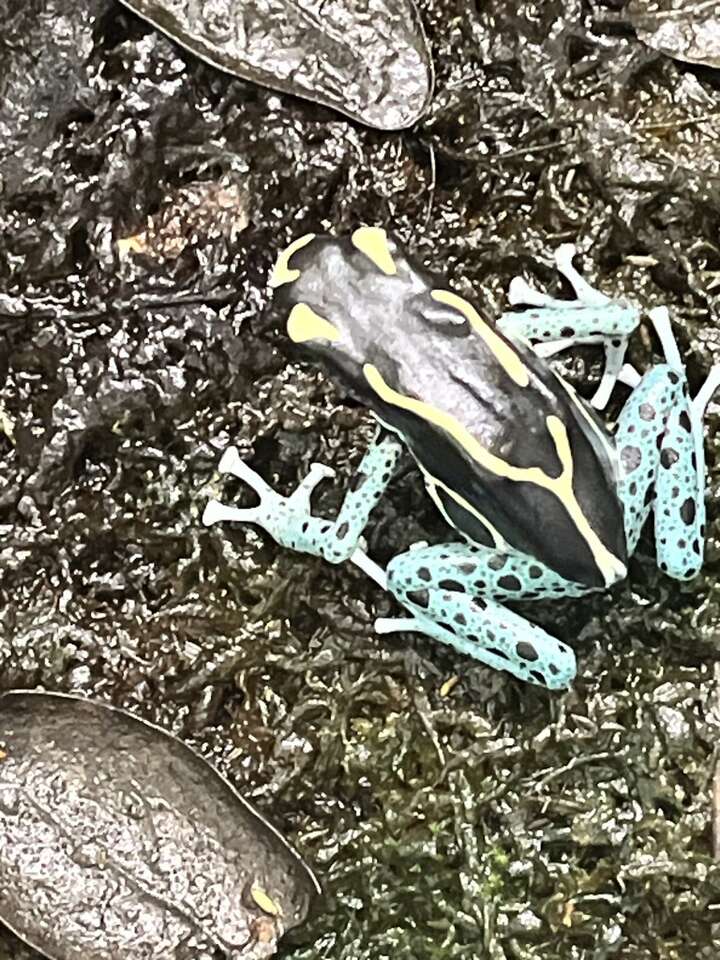
Dendrobates tinctorius Powder Blue
4 Days
330
21
$80.00


Ray
Note: KSL, its service providers, and the seller receive data from this message. See our Privacy Notice and TOU for details.
Description
Condition
Payment Types Accepted
 Venmo
Venmo CashApp
 PayPal
 Zelle
Zelle ApplePay
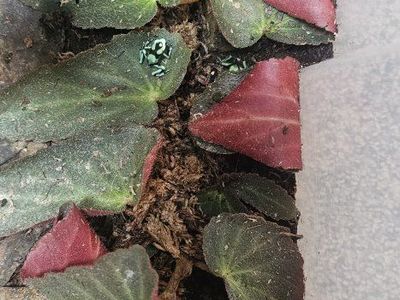
Dendrobates tinctorius Powder Blue dart frogs have black heads and bodies. Their most distinctive feature is the bright powder blue coloring on their sides, belly, and legs with yellow accents on the nose and thin yellow stripes along the sides. These blue areas are mottled with a mix of large and small spots, giving each frog a unique appearance. Though some consider grey-leaning individuals a separate locale, they are similar in overall look to others in the species. However, typical tinc social dynamics and territorial nature require careful consideration when setting up an enclosure. Housing Considerations: Juveniles: They can be housed in groups as juveniles to sub-adults, but this should be done with caution as they mature. Territorial behavior increases with age, and issues typically arise due to female-to-female aggression. Adults: As adults, it’s not advisable to house more than two in the same enclosure unless it’s a specific combination of two males and one female (2.1.0). Females are particularly territorial and will fight to establish dominance, especially over access to males. In some cases, male-to-female aggression can occur, often initiated by the female. Recommended Tank Size: Pairs or Trios: A 55-75 gallon tank can house up to a trio, but it’s safer to stick with a pair of adults. Overcrowding in smaller tanks can exacerbate aggressive behaviors. Breeding Information: When kept as a pair, females will typically lay 4 to 10 eggs, although larger clutches can occur. To encourage breeding, provide plenty of thick leaves (e.g., Philodendron, spath, or Costus) and thick leaf litter like magnolia. Mine use a petri dish under a coconut hut as a good option for egg-laying sites.
You Might Also Like


Dendrobates tinctorius Powder Blue
4 Days
330
21
$80.00
Ray
Note: KSL, its service providers, and the seller receive data from this message. See our Privacy Notice and TOU for details.
Description
Condition
Payment Types Accepted
VenmoCashAppPayPalZelleApplePayDendrobates tinctorius Powder Blue dart frogs have black heads and bodies. Their most distinctive feature is the bright powder blue coloring on their sides, belly, and legs with yellow accents on the nose and thin yellow stripes along the sides. These blue areas are mottled with a mix of large and small spots, giving each frog a unique appearance. Though some consider grey-leaning individuals a separate locale, they are similar in overall look to others in the species. However, typical tinc social dynamics and territorial nature require careful consideration when setting up an enclosure. Housing Considerations: Juveniles: They can be housed in groups as juveniles to sub-adults, but this should be done with caution as they mature. Territorial behavior increases with age, and issues typically arise due to female-to-female aggression. Adults: As adults, it’s not advisable to house more than two in the same enclosure unless it’s a specific combination of two males and one female (2.1.0). Females are particularly territorial and will fight to establish dominance, especially over access to males. In some cases, male-to-female aggression can occur, often initiated by the female. Recommended Tank Size: Pairs or Trios: A 55-75 gallon tank can house up to a trio, but it’s safer to stick with a pair of adults. Overcrowding in smaller tanks can exacerbate aggressive behaviors. Breeding Information: When kept as a pair, females will typically lay 4 to 10 eggs, although larger clutches can occur. To encourage breeding, provide plenty of thick leaves (e.g., Philodendron, spath, or Costus) and thick leaf litter like magnolia. Mine use a petri dish under a coconut hut as a good option for egg-laying sites.
You Might Also Like
