Yamaha PSR-530
9 Days
14
0
$150.00
Jo
Description
Condition
Payment Types Accepted
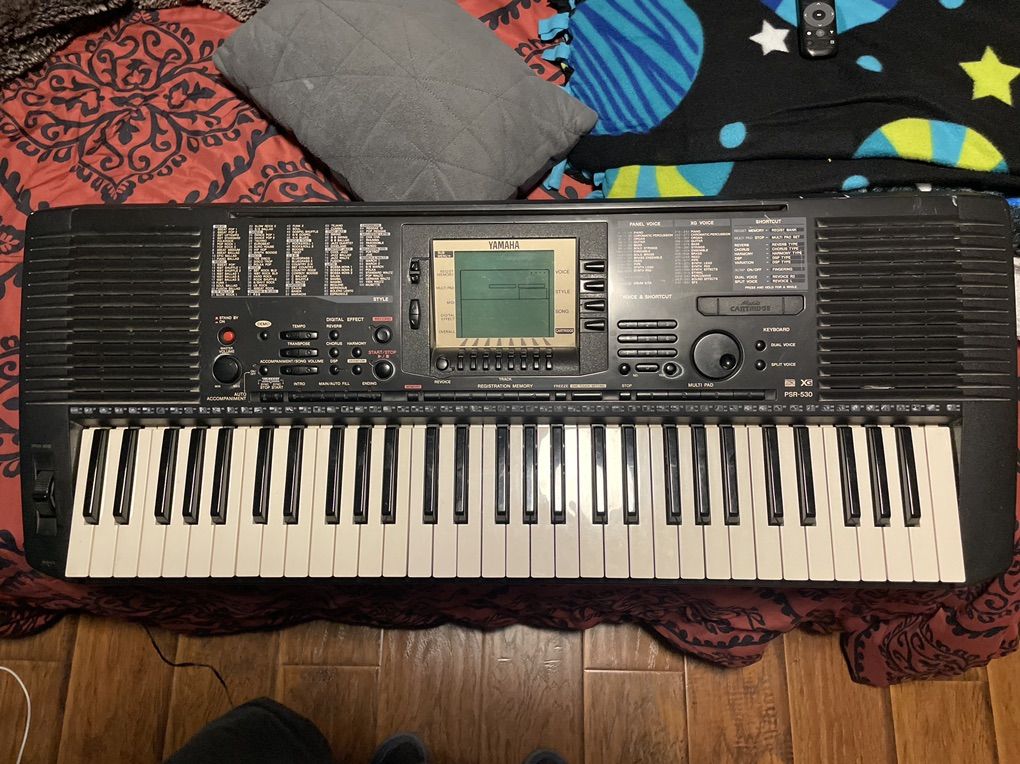
The Yamaha PSR-530 (released in 1997) is a 61-key, touch-sensitive digital arranger keyboard featuring 200 panel voices, 480 XG sounds, 100 styles, and a 5-track sequencer. It is widely regarded as a versatile, mid-level, and durable workstation from the late 90s, often found used for roughly $100–$180. It includes MIDI I/O, DSP effects, and a, Yamaha Music Cartridge slot for expansion
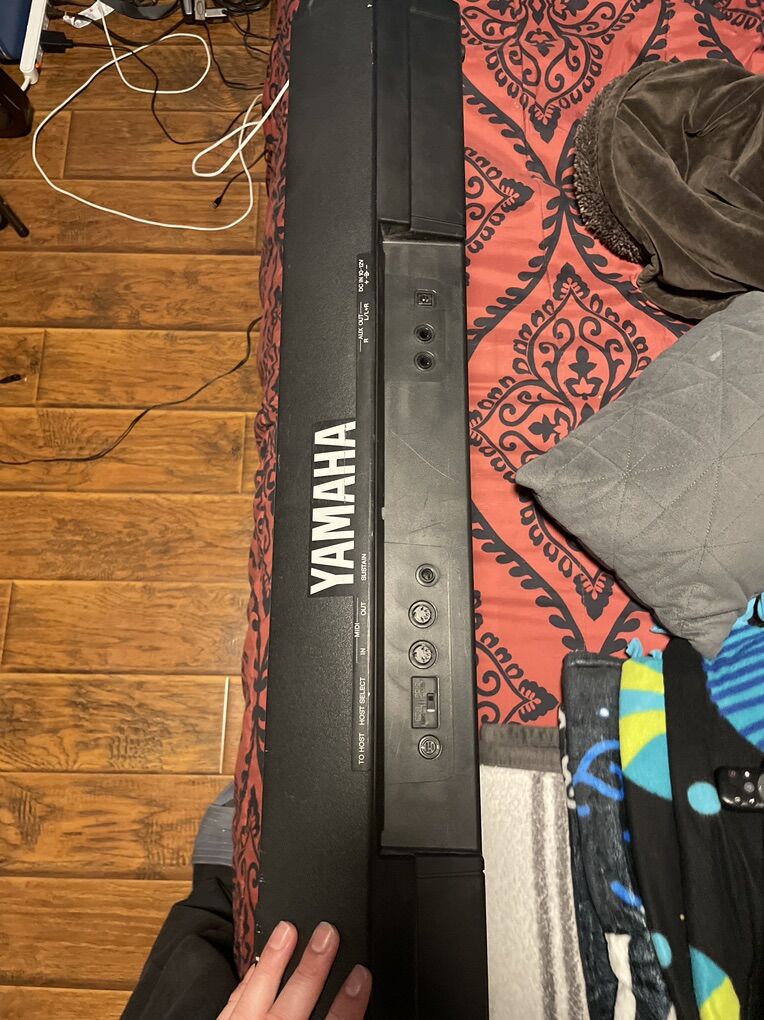
Key Features and Specifications: Keyboard: 61 keys with touch response. Sounds: 200 panel voices, 480 XG voices, and 12 drum kits. Polyphony: 32-note. Accompaniment: 100 styles with adjustable parameters (Volume, Octave, Pan, Effects). Sequencer: 5-track recording capability. Effects: Reverb (15 types), Chorus (15 types), DSP (43 types). Storage: Floppy Disk Drive (not present on this model, but supported in higher-end 630/730 models). I/O: MIDI In/Out, Sustain Pedal Jack, Headphone/Output Jack.
Effects: Reverb (13), Chorus (10), DSP (46), and Harmony (16). Storage: 32 Registration Banks for saving settings. Connectivity: MIDI IN/OUT, 1/4 Phone/Aux Out, Sustain Pedal input, and a slot for Yamaha Music Cartridges. Power: 6 D-batteries or 10-12V DC adapter. Performance and Reception: Pros: Known for high-quality, vintage Yamaha sounds, good key action, and strong MIDI control capabilities. Cons: Lacks a built-in floppy disk drive (unlike the successor PSR-540), and some users consider the built-in speaker sound quality to be mediocre. The PSR-530 is often cited as a better alternative to modern, lower-end E series keyboards for beginners or those seeking a nostalgic 90s sound palette.
I’ve have taken care of this since I was 13 when my mom bought it. I replaced the whole KeyBed years ago as some keys were just not sounding from playing it so much. In the video they all work and present no issues. All buttons function fine and the 8 track recorder records well and responds as it should. I don’t have a manual but one can be found online for free you just have to look. This keyboard is not hard to figure out: it’s pretty straightforward especially if you’re very familiar with keyboards. It’s a vintage keyboard and having it sit around the home and not being played someone else can put it to good use. As some keyboards don’t even let you record for around $300.00 or less this one is its own little workstation. When released back in time I think this keyboard was around $500. Found price info online below:
Price When Released Original Price: Approximately $400–$500 USD (circa 1997–1998). Current Used Value: Generally around $100–$180 USD, depending on condition
Letting it go for $180.00. I could probably sell for more, it’s just I don’t have time to place on eBay and wait. I need space and it’s just sitting. Thanks for looking but these are the specs about the keyboard I listed above
Page Stats
Safe. Simple. Trusted.
KSL Classifieds makes it easy to buy and sell with peace of mind. Check our safety tips and quickly report anything that doesn’t look right to keep your experience smooth and secure.
You Might Also Like




Yamaha PSR-530
9 Days
14
0
$150.00
Jo
Page Stats
Safe. Simple. Trusted.
KSL Classifieds makes it easy to buy and sell with peace of mind. Check our safety tips and quickly report anything that doesn’t look right to keep your experience smooth and secure.
Description
Condition
Payment Types Accepted
The Yamaha PSR-530 (released in 1997) is a 61-key, touch-sensitive digital arranger keyboard featuring 200 panel voices, 480 XG sounds, 100 styles, and a 5-track sequencer. It is widely regarded as a versatile, mid-level, and durable workstation from the late 90s, often found used for roughly $100–$180. It includes MIDI I/O, DSP effects, and a, Yamaha Music Cartridge slot for expansion
Key Features and Specifications: Keyboard: 61 keys with touch response. Sounds: 200 panel voices, 480 XG voices, and 12 drum kits. Polyphony: 32-note. Accompaniment: 100 styles with adjustable parameters (Volume, Octave, Pan, Effects). Sequencer: 5-track recording capability. Effects: Reverb (15 types), Chorus (15 types), DSP (43 types). Storage: Floppy Disk Drive (not present on this model, but supported in higher-end 630/730 models). I/O: MIDI In/Out, Sustain Pedal Jack, Headphone/Output Jack.
Effects: Reverb (13), Chorus (10), DSP (46), and Harmony (16). Storage: 32 Registration Banks for saving settings. Connectivity: MIDI IN/OUT, 1/4 Phone/Aux Out, Sustain Pedal input, and a slot for Yamaha Music Cartridges. Power: 6 D-batteries or 10-12V DC adapter. Performance and Reception: Pros: Known for high-quality, vintage Yamaha sounds, good key action, and strong MIDI control capabilities. Cons: Lacks a built-in floppy disk drive (unlike the successor PSR-540), and some users consider the built-in speaker sound quality to be mediocre. The PSR-530 is often cited as a better alternative to modern, lower-end E series keyboards for beginners or those seeking a nostalgic 90s sound palette.
I’ve have taken care of this since I was 13 when my mom bought it. I replaced the whole KeyBed years ago as some keys were just not sounding from playing it so much. In the video they all work and present no issues. All buttons function fine and the 8 track recorder records well and responds as it should. I don’t have a manual but one can be found online for free you just have to look. This keyboard is not hard to figure out: it’s pretty straightforward especially if you’re very familiar with keyboards. It’s a vintage keyboard and having it sit around the home and not being played someone else can put it to good use. As some keyboards don’t even let you record for around $300.00 or less this one is its own little workstation. When released back in time I think this keyboard was around $500. Found price info online below:
Price When Released Original Price: Approximately $400–$500 USD (circa 1997–1998). Current Used Value: Generally around $100–$180 USD, depending on condition
Letting it go for $180.00. I could probably sell for more, it’s just I don’t have time to place on eBay and wait. I need space and it’s just sitting. Thanks for looking but these are the specs about the keyboard I listed above
You Might Also Like