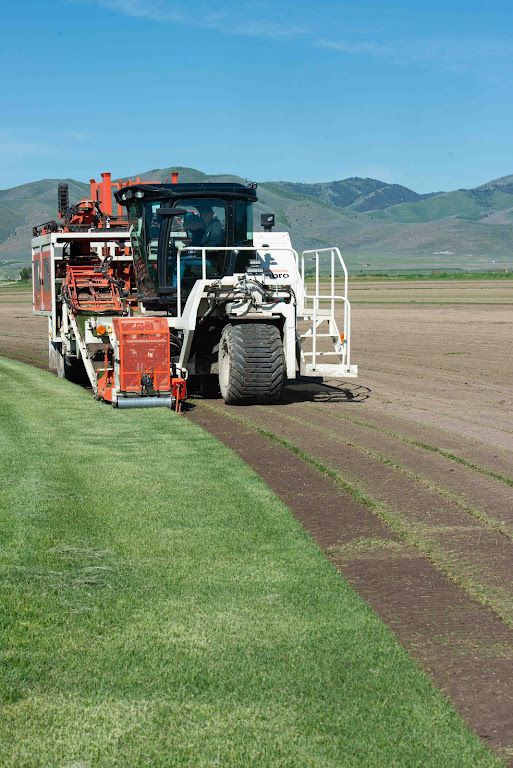


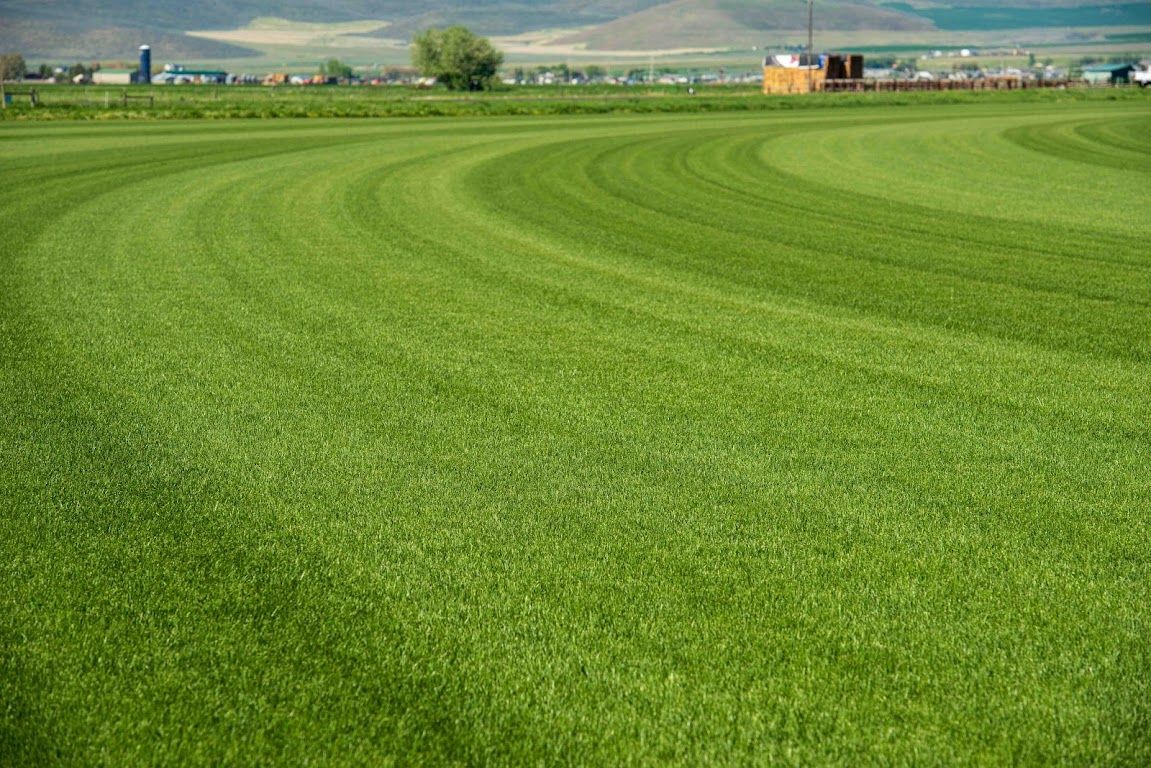
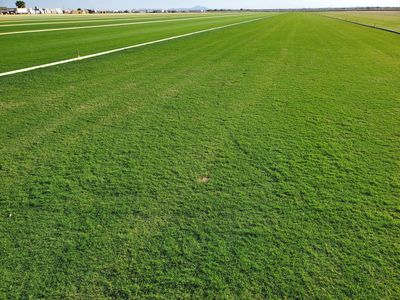
Bluegrass and Tall fescue sod
12 Days
354
2
$0.42

Note: KSL, its service providers, and the seller receive data from this message. See our Privacy Notice and TOU for details.
Description
Condition
Payment Types Accepted
 Venmo
Venmo CashApp
 Zelle
Zelle ApplePay
Turfgrass Options for Utah Lawns
Cachegrowers.com
Choosing the right turfgrass is important for creating a lawn that thrives in Utah’s unique climate. Northern Utah experiences cold winters, warm summers, and relatively dry conditions, so selecting grasses that perform well in these environments helps ensure a healthy, attractive lawn.
Two of the most common and reliable turfgrass choices for Utah landscapes are Kentucky Bluegrass and Tall Fescue. Each offers unique advantages depending on your priorities for appearance, durability, and water use.
Kentucky Bluegrass Turf Kentucky Bluegrass (commonly called bluegrass turf) is one of the most popular lawn grasses used throughout Utah, especially along the Wasatch Front and in northern regions. As a cool-season grass, it performs well in areas with cold winters, mild spring and fall weather, and warm summers.
Key Benefits of Kentucky Bluegrass Outstanding winter hardiness
Kentucky bluegrass tolerates Utah’s cold winters and frequent freeze-thaw cycles extremely well. It enters dormancy during winter and typically recovers quickly in spring with minimal damage.
Self-repairing growth habit
Unlike many grasses, bluegrass spreads through underground rhizomes. This allows it to naturally fill in thin areas or damaged spots caused by foot traffic, pets, children’s play, or winter wear—helping maintain a dense, uniform lawn over time.
Premium appearance
Bluegrass produces a rich green color, fine texture, and thick, carpet-like density. The result is a soft, attractive lawn with exceptional curb appeal, making it a favorite for residential landscapes.
Strong durability
It handles moderate to heavy foot traffic well, making it ideal for active family yards, play areas, and recreational spaces.
Adapted to Utah’s growing seasons
Bluegrass grows most actively during spring and fall when temperatures are cooler. With proper care, it recovers well from summer heat stress and performs well across many elevations in northern Utah.
Proven and widely available
Most sod farms in Utah grow Kentucky bluegrass or bluegrass blends, making it a readily available and reliable choice for local conditions.
Considerations Because Utah has a dry climate, Kentucky bluegrass typically requires consistent irrigation during the summer months to maintain its deep green color. While it may use more water than drought-tolerant alternatives, proper lawn care—such as deeper, less frequent watering, balanced fertilization, and proper mowing—allows it to provide excellent performance and beauty.
For homeowners who prioritize appearance, density, and self-repairing durability, Kentucky bluegrass remains one of the best lawn options in Utah.
Tall Fescue Turf Tall fescue is another excellent turfgrass choice for Utah landscapes. Known for its deep root system and strong adaptability, tall fescue performs well in Utah’s semi-arid climate and diverse soil conditions.
Key Benefits of Tall Fescue Improved drought tolerance
Tall fescue develops deep roots that allow it to access moisture deeper in the soil. This makes it more drought-tolerant than many other cool-season grasses and well suited for Utah’s dry summers.
Handles temperature extremes
Tall fescue tolerates both hot summers and cold winters, allowing it to perform well in Utah’s wide range of seasonal temperatures.
Lower maintenance requirements
Compared with some turfgrass species, tall fescue typically requires less frequent mowing and fertilization, making it an appealing option for homeowners seeking a more manageable lawn.
Excellent wear resistance
Its durable blades and growth habit allow tall fescue to withstand regular foot traffic, making it suitable for family yards, parks, and recreational areas.
Adaptable to varied soils
Tall fescue performs well in many soil types commonly found in Utah, including clay-heavy or sandy soils. It also tolerates moderate salinity, which can be present in some regions.
Strong erosion control
The extensive root system helps stabilize soil, making tall fescue particularly beneficial on slopes or areas susceptible to erosion.
Long green season
Tall fescue generally remains green from early spring through late fall, providing a long season of visual appeal.
Modern disease resistance
Many improved tall fescue cultivars offer good resistance to common lawn pests and diseases, reducing the need for chemical treatments.
Best Performance For Utah landscapes, selecting modern drought-tolerant tall fescue cultivars developed for the Intermountain West helps maximize performance. Proper irrigation during the hottest parts of summer will also ensure a healthy and resilient lawn.
You Might Also Like


Bluegrass and Tall fescue sod
12 Days
354
2
$0.42
Note: KSL, its service providers, and the seller receive data from this message. See our Privacy Notice and TOU for details.
Description
Condition
Payment Types Accepted
VenmoCashAppZelleApplePayTurfgrass Options for Utah Lawns
Cachegrowers.com
Choosing the right turfgrass is important for creating a lawn that thrives in Utah’s unique climate. Northern Utah experiences cold winters, warm summers, and relatively dry conditions, so selecting grasses that perform well in these environments helps ensure a healthy, attractive lawn.
Two of the most common and reliable turfgrass choices for Utah landscapes are Kentucky Bluegrass and Tall Fescue. Each offers unique advantages depending on your priorities for appearance, durability, and water use.
Kentucky Bluegrass Turf Kentucky Bluegrass (commonly called bluegrass turf) is one of the most popular lawn grasses used throughout Utah, especially along the Wasatch Front and in northern regions. As a cool-season grass, it performs well in areas with cold winters, mild spring and fall weather, and warm summers.
Key Benefits of Kentucky Bluegrass Outstanding winter hardiness
Kentucky bluegrass tolerates Utah’s cold winters and frequent freeze-thaw cycles extremely well. It enters dormancy during winter and typically recovers quickly in spring with minimal damage.
Self-repairing growth habit
Unlike many grasses, bluegrass spreads through underground rhizomes. This allows it to naturally fill in thin areas or damaged spots caused by foot traffic, pets, children’s play, or winter wear—helping maintain a dense, uniform lawn over time.
Premium appearance
Bluegrass produces a rich green color, fine texture, and thick, carpet-like density. The result is a soft, attractive lawn with exceptional curb appeal, making it a favorite for residential landscapes.
Strong durability
It handles moderate to heavy foot traffic well, making it ideal for active family yards, play areas, and recreational spaces.
Adapted to Utah’s growing seasons
Bluegrass grows most actively during spring and fall when temperatures are cooler. With proper care, it recovers well from summer heat stress and performs well across many elevations in northern Utah.
Proven and widely available
Most sod farms in Utah grow Kentucky bluegrass or bluegrass blends, making it a readily available and reliable choice for local conditions.
Considerations Because Utah has a dry climate, Kentucky bluegrass typically requires consistent irrigation during the summer months to maintain its deep green color. While it may use more water than drought-tolerant alternatives, proper lawn care—such as deeper, less frequent watering, balanced fertilization, and proper mowing—allows it to provide excellent performance and beauty.
For homeowners who prioritize appearance, density, and self-repairing durability, Kentucky bluegrass remains one of the best lawn options in Utah.
Tall Fescue Turf Tall fescue is another excellent turfgrass choice for Utah landscapes. Known for its deep root system and strong adaptability, tall fescue performs well in Utah’s semi-arid climate and diverse soil conditions.
Key Benefits of Tall Fescue Improved drought tolerance
Tall fescue develops deep roots that allow it to access moisture deeper in the soil. This makes it more drought-tolerant than many other cool-season grasses and well suited for Utah’s dry summers.
Handles temperature extremes
Tall fescue tolerates both hot summers and cold winters, allowing it to perform well in Utah’s wide range of seasonal temperatures.
Lower maintenance requirements
Compared with some turfgrass species, tall fescue typically requires less frequent mowing and fertilization, making it an appealing option for homeowners seeking a more manageable lawn.
Excellent wear resistance
Its durable blades and growth habit allow tall fescue to withstand regular foot traffic, making it suitable for family yards, parks, and recreational areas.
Adaptable to varied soils
Tall fescue performs well in many soil types commonly found in Utah, including clay-heavy or sandy soils. It also tolerates moderate salinity, which can be present in some regions.
Strong erosion control
The extensive root system helps stabilize soil, making tall fescue particularly beneficial on slopes or areas susceptible to erosion.
Long green season
Tall fescue generally remains green from early spring through late fall, providing a long season of visual appeal.
Modern disease resistance
Many improved tall fescue cultivars offer good resistance to common lawn pests and diseases, reducing the need for chemical treatments.
Best Performance For Utah landscapes, selecting modern drought-tolerant tall fescue cultivars developed for the Intermountain West helps maximize performance. Proper irrigation during the hottest parts of summer will also ensure a healthy and resilient lawn.
You Might Also Like
