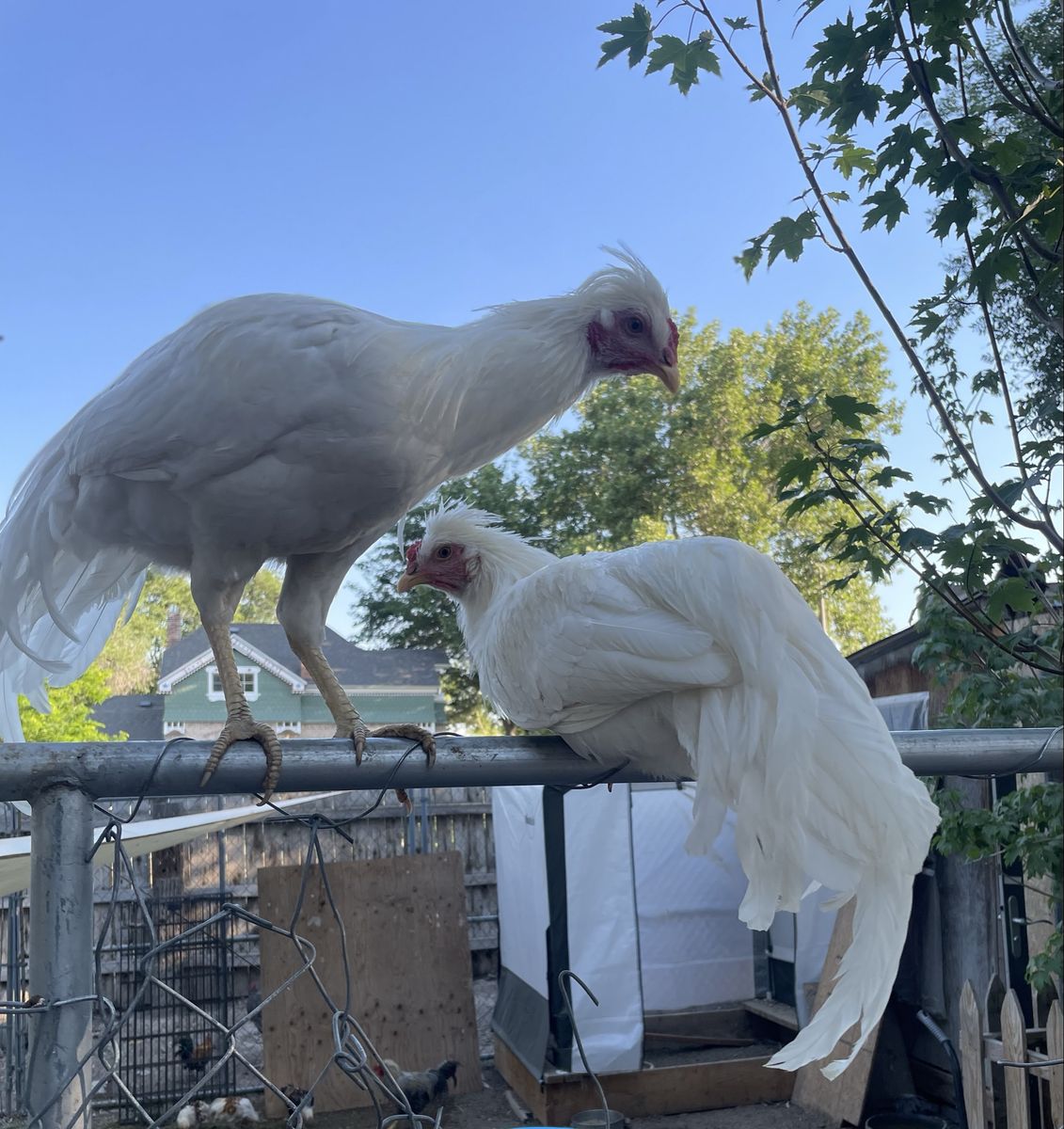
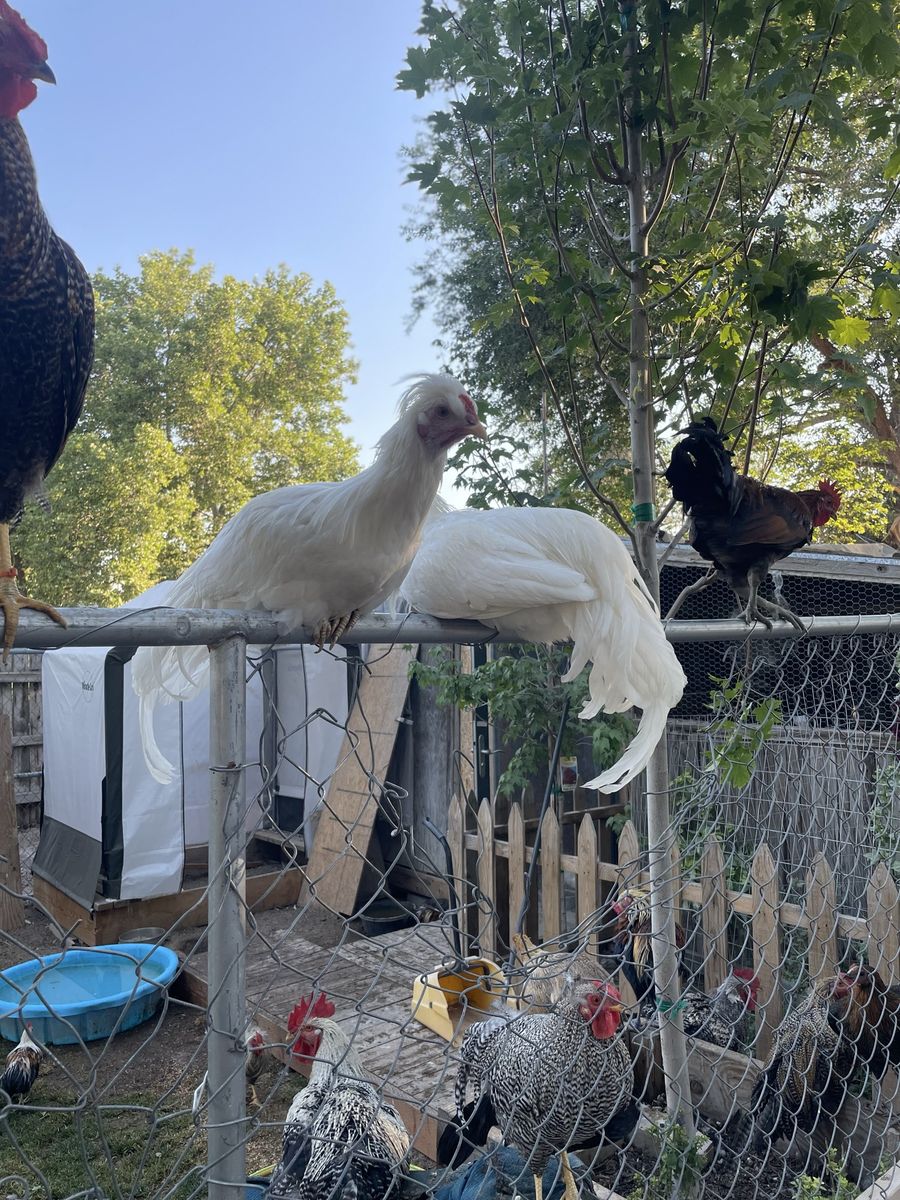
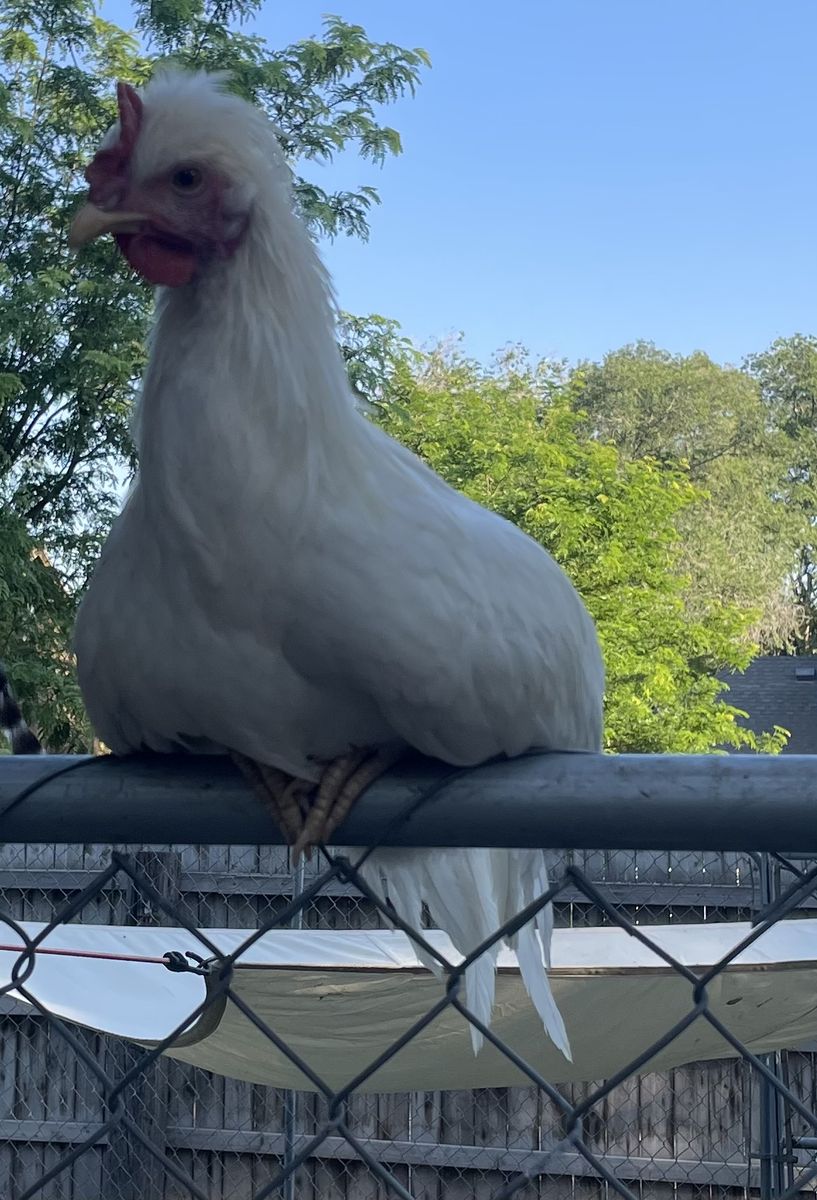
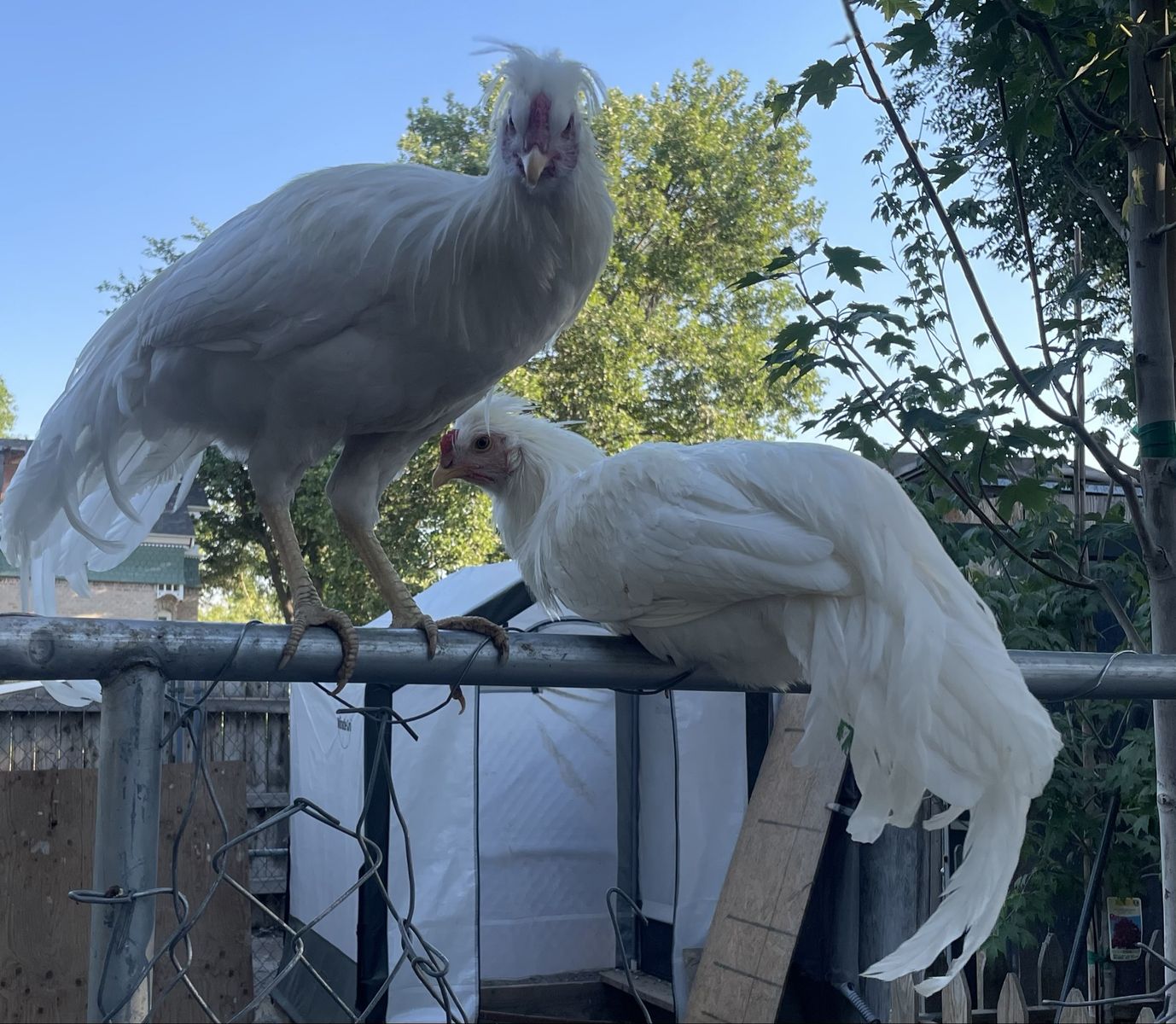
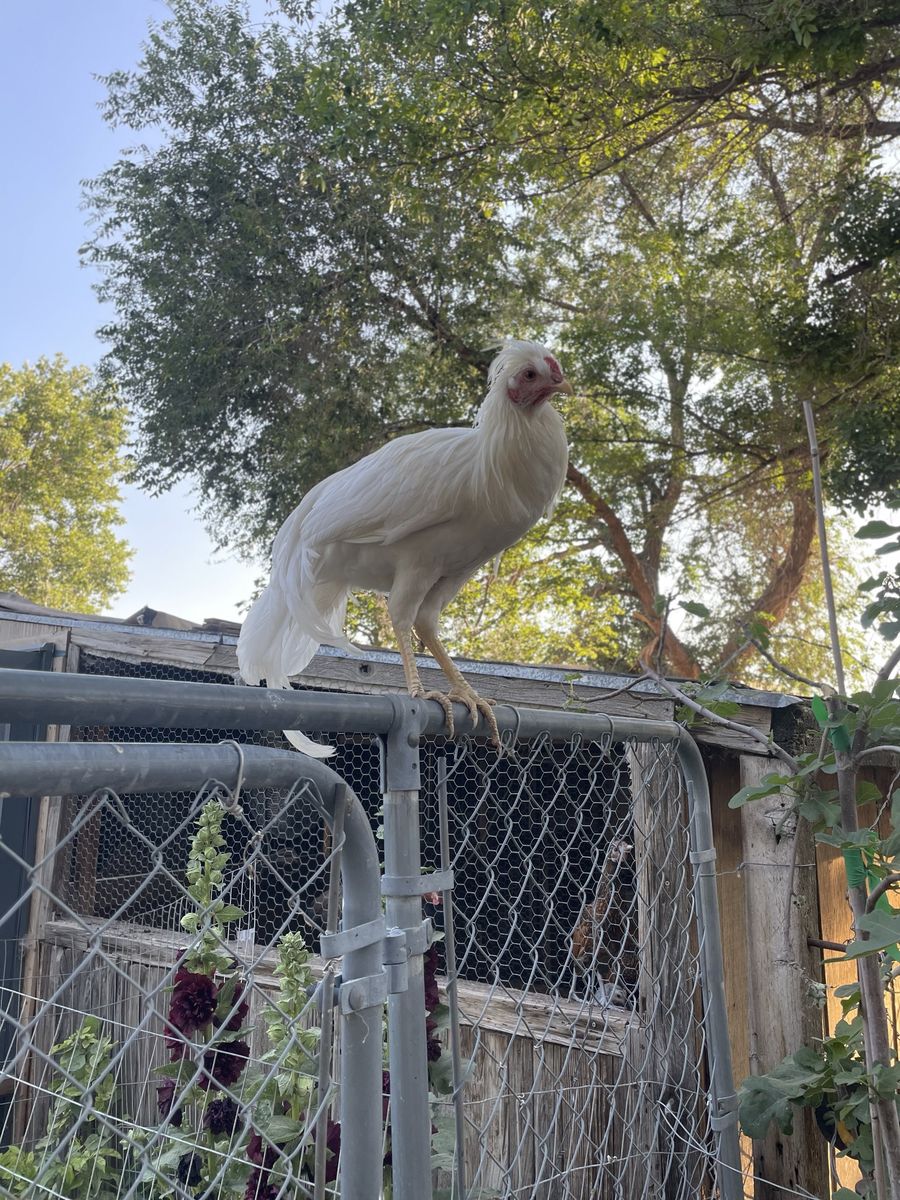
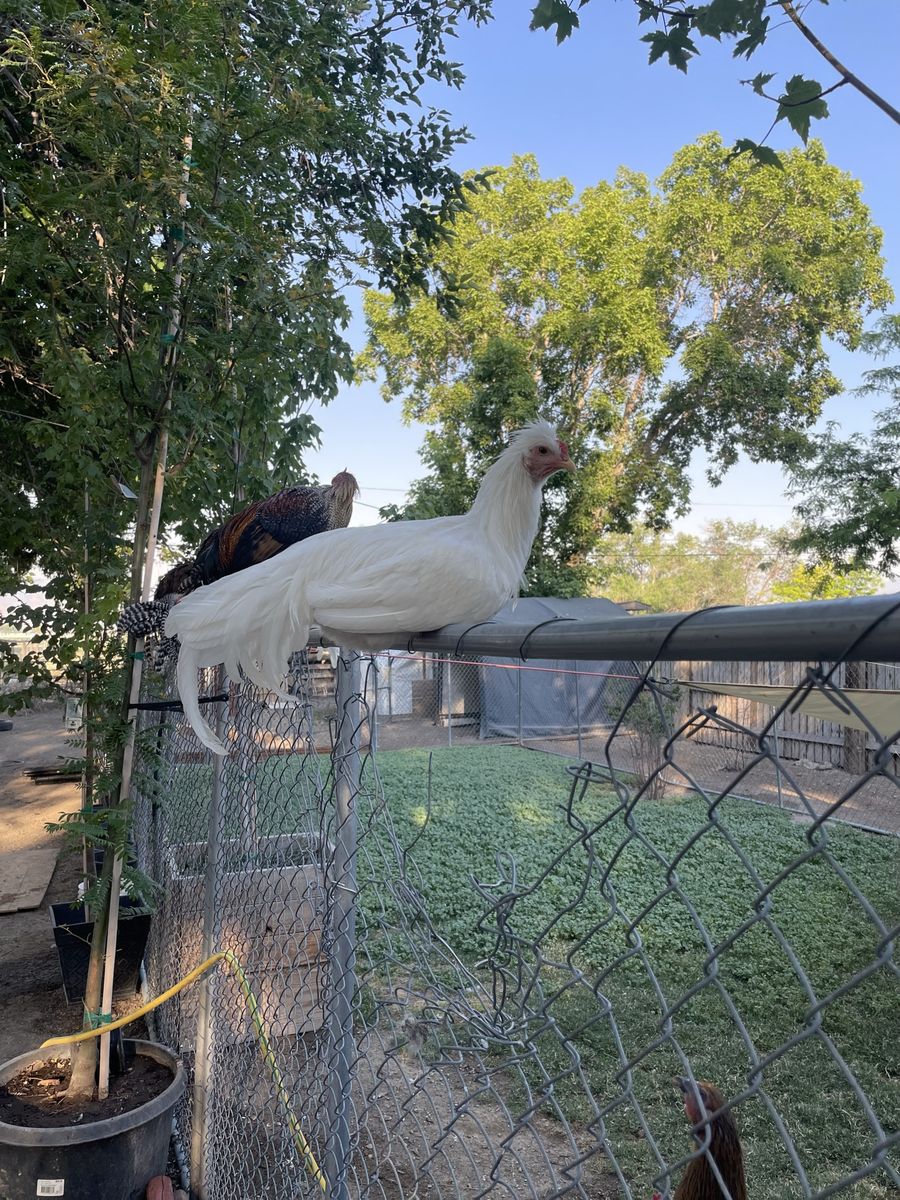
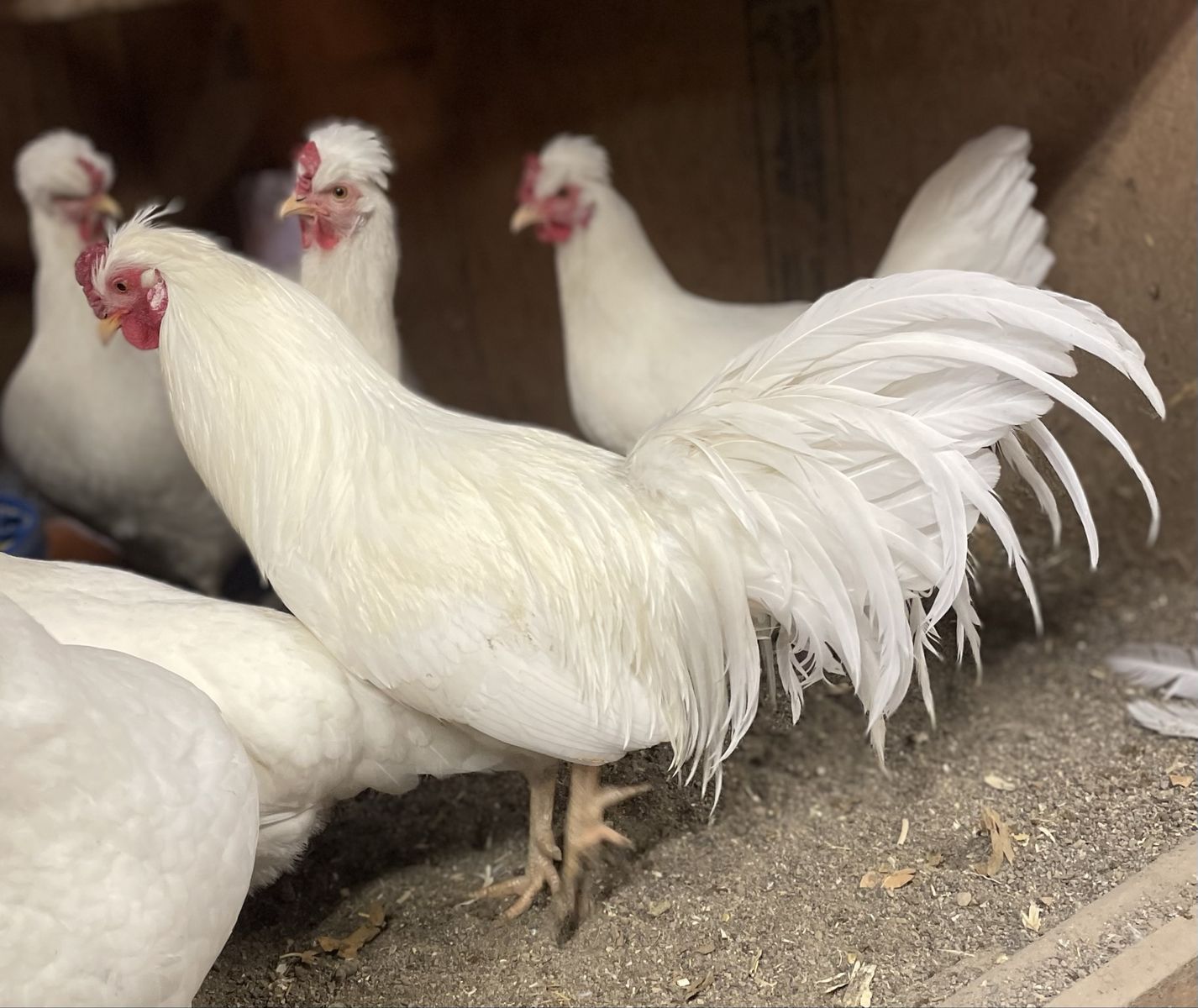
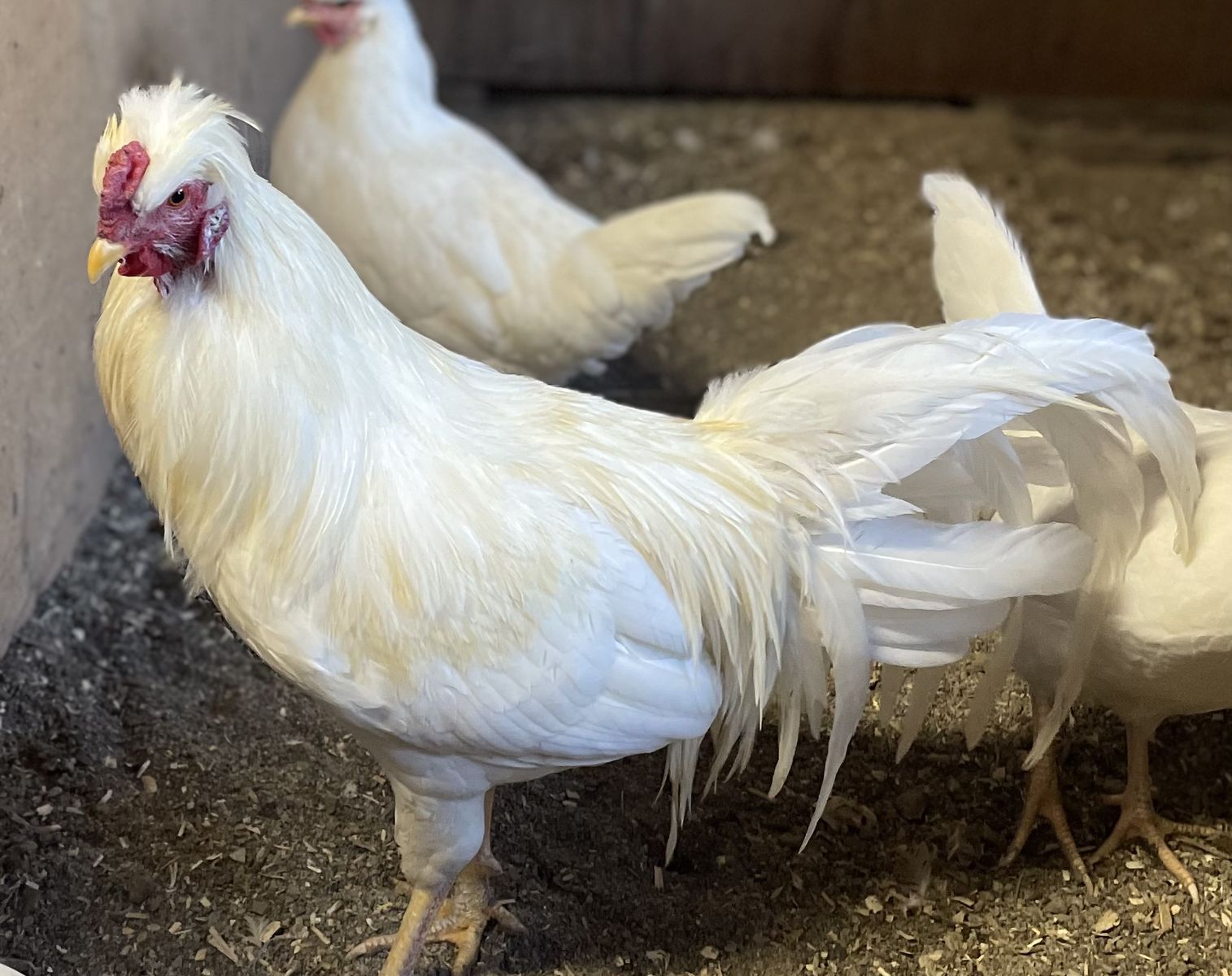
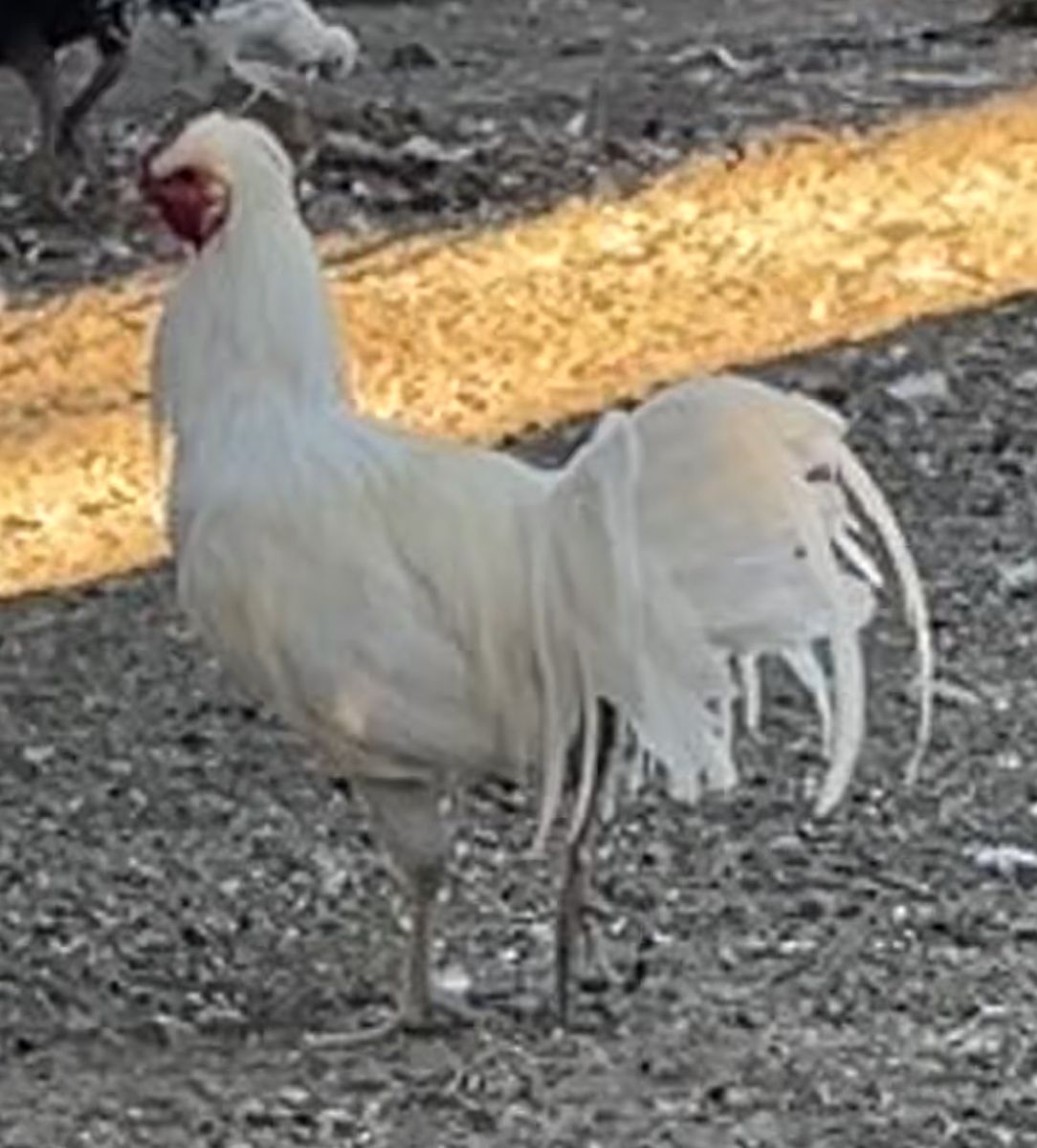
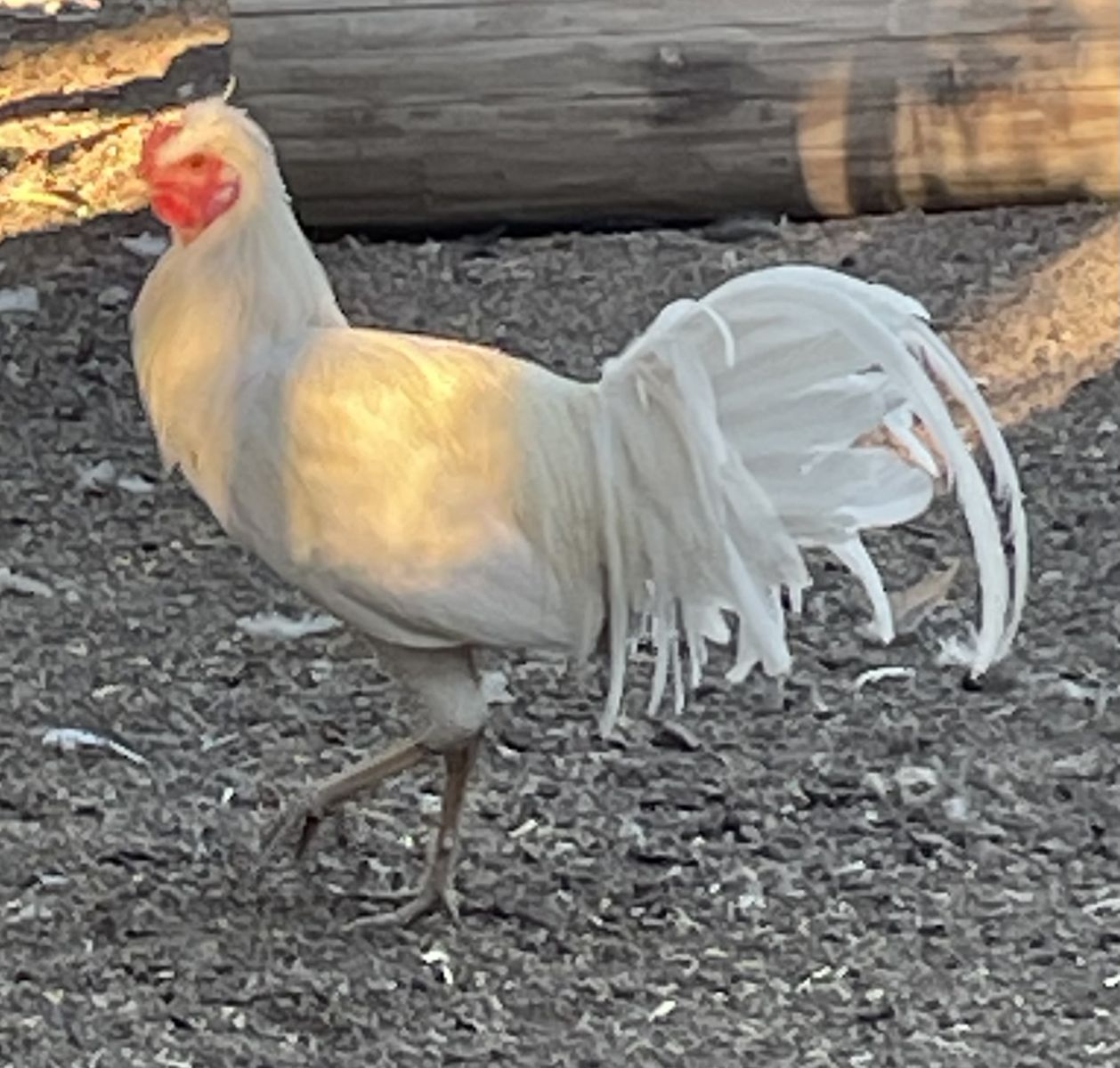
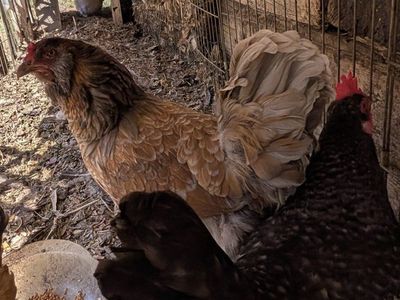
Schijndelaar Roosters 15-18 Weeks Old
6 Days
121
4
$20.00
Description
Condition
Payment Types Accepted
 Venmo
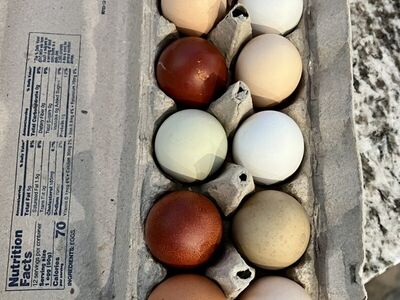
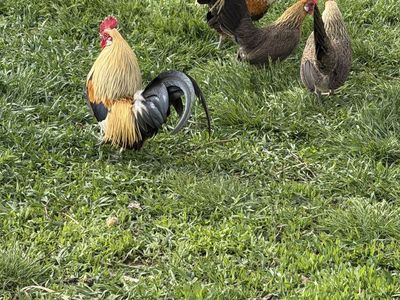
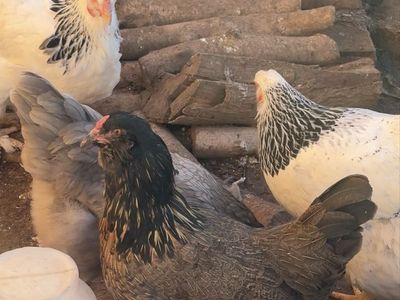
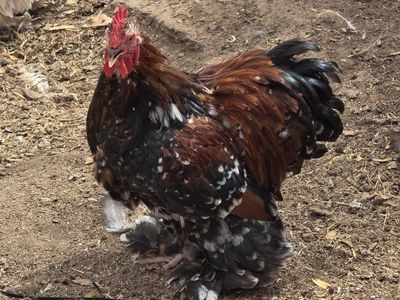
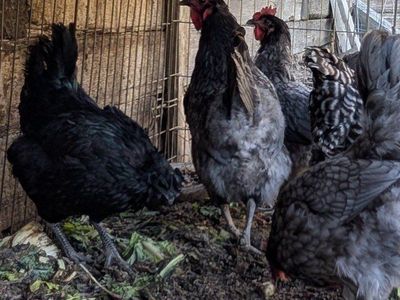
VenmoI have several Schijndelaar grow outs that are ready for a new coop. This is a great addition for some beautiful yard art or adding a great production bird with a blue green egg gene to your flock.
The German Schijndelaar chicken is a unique and beautiful breed of chicken that has a rich history and origin. This breed is known for its striking silver-blue plumage, distinctive beard and excellent egg-laying abilities.
The German Schijndelaar chicken originated in the Dutch town of Schijndel in the early 20th century. The breed was developed by crossbreeding local Dutch chickens with birds from Asia, such as the Brahma. The goal was to create a chicken that had the hardiness of the local chickens and the egg-laying abilities of the Asian birds.
The breed was officially recognized by the Dutch Poultry Society in the 1920s, and quickly became popular among farmers and backyard chicken keepers alike. The German Schijndelaar chicken is known for its hardiness and adaptability to different climates, and can thrive in a wide variety of conditions. The breed is also known for its friendly and docile nature, making it a great choice for backyard chicken keepers and small farmers.
The breed has a unique and striking appearance, with a silver-blue plumage, a distinctive beard and a red comb and wattle. The breed is also known for its excellent egg-laying abilities, with hens able to lay up to 250 eggs per year. The eggs are medium-sized, with a tinted blue-green color.
The breed was imported to many countries, including the United Kingdom, the United States and Canada. The breed is considered a heritage breed and is listed as "watch" by The Livestock Conservancy, meaning it is a breed that is at risk of extinction.
You Might Also Like

Schijndelaar Roosters 15-18 Weeks Old
6 Days
121
4
$20.00
Description
Condition
Payment Types Accepted
VenmoI have several Schijndelaar grow outs that are ready for a new coop. This is a great addition for some beautiful yard art or adding a great production bird with a blue green egg gene to your flock.
The German Schijndelaar chicken is a unique and beautiful breed of chicken that has a rich history and origin. This breed is known for its striking silver-blue plumage, distinctive beard and excellent egg-laying abilities.
The German Schijndelaar chicken originated in the Dutch town of Schijndel in the early 20th century. The breed was developed by crossbreeding local Dutch chickens with birds from Asia, such as the Brahma. The goal was to create a chicken that had the hardiness of the local chickens and the egg-laying abilities of the Asian birds.
The breed was officially recognized by the Dutch Poultry Society in the 1920s, and quickly became popular among farmers and backyard chicken keepers alike. The German Schijndelaar chicken is known for its hardiness and adaptability to different climates, and can thrive in a wide variety of conditions. The breed is also known for its friendly and docile nature, making it a great choice for backyard chicken keepers and small farmers.
The breed has a unique and striking appearance, with a silver-blue plumage, a distinctive beard and a red comb and wattle. The breed is also known for its excellent egg-laying abilities, with hens able to lay up to 250 eggs per year. The eggs are medium-sized, with a tinted blue-green color.
The breed was imported to many countries, including the United Kingdom, the United States and Canada. The breed is considered a heritage breed and is listed as "watch" by The Livestock Conservancy, meaning it is a breed that is at risk of extinction.
You Might Also Like
