
Helpful Tips
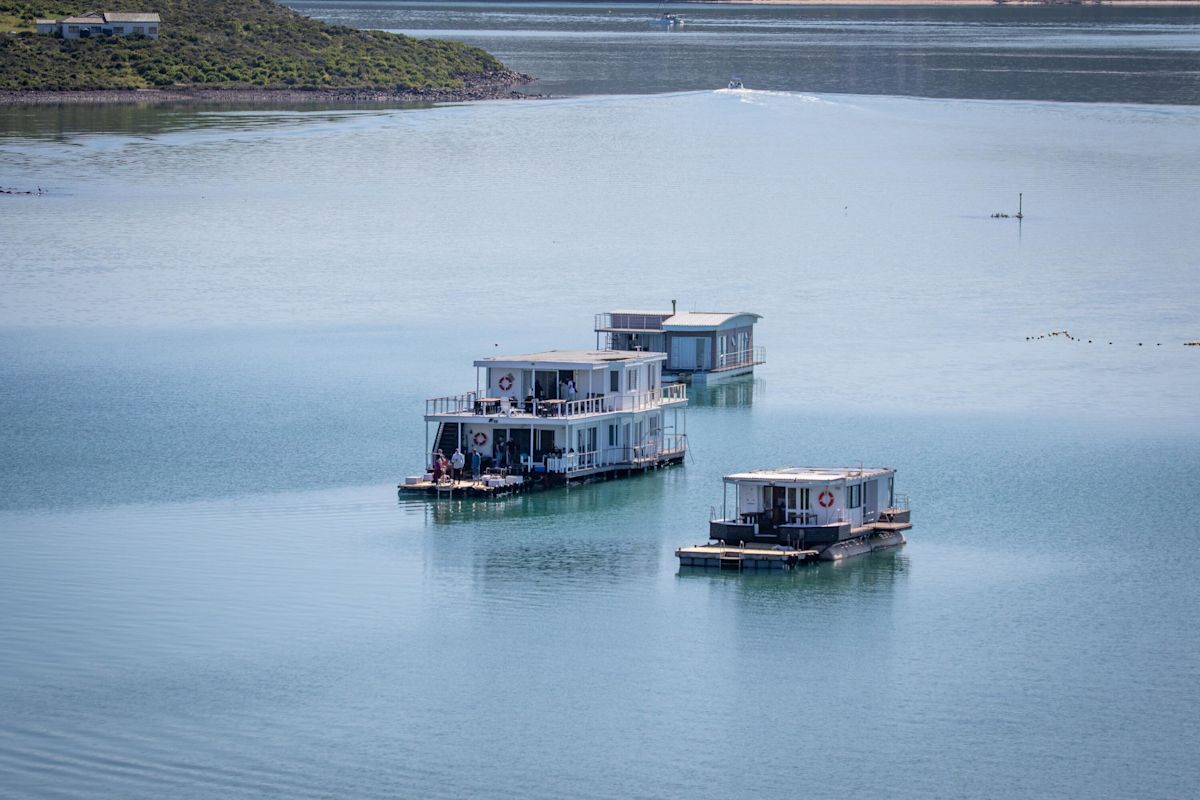
Lake Powell? Lake Havasu? Both are excellent houseboating destinations. The scenery is spectacular and there’s plenty to do both on and off the water. But even in locations like these where the weather is comfortable year-round, most people don’t use their houseboat every single month. Whether it is owned outright or there are multiple owners with timeshares, it’s a good idea to winterize your flat-bottom floater whenever it isn’t going to be used for an extended period — even in warm temps. Winterization protects batteries, engines and bottom units from deterioration while your houseboat sits idle.
Bust out the heavy duty boat soap and deck brushes and channel your inner Monica Geller. It’s time to give your houseboat a deep cleaning — from the anchor to the galley and the sky deck. Dirt and grime can permanently discolor or damage your vessel if left too long. Not to mention what that stray can of soda you found wedged between the cushions would do if it froze, expanded and exploded.
Mice can squeeze through openings about the width of a pencil — that’s a mere ¼ of an inch. Insects don’t even need that large of an opening. Check the exterior of your houseboat for cracks and holes that might invite pests that were not granted permission to come aboard. Use a marine-grade sealant to caulk cracks and fill holes with stainless steel wool. Openings that serve a purpose should be temporarily covered as well.
Depending on where your houseboat is stored and what the average air temperature is, you may be able to skip this step. If the weather forecast calls for sub-freezing temperatures, however, it will be necessary to drain the freshwater tank(s) and add non-toxic antifreeze (aka “the pink stuff”) to the plumbing system. Then, starting with the farthest from the tank, open each outlet — hot and cold — until antifreeze flows out. Similarly, you will want to drain the air conditioner and add antifreeze.
The second thing you should do is run lots of fresh water through the sanitation system to get rid of odor-causing residue. What’s the first, you ask? Put on a mask (or a hazmat hood) so you don’t have to inhale the stench. Then empty the holding tank and flush it with fresh water. Run the same non-toxic antifreeze through the sanitation system that you did through the freshwater plumbing system. Pump the head for each line until the antifreeze reaches the holding tank. Depending on what type of waste treatment device your sanitation system uses, additional steps may be necessary. Check the owner’s manual to see.
Check for cracks or other signs of wear in your fuel line and replace it if necessary. This is also a good time to change those fuel filters. But the most important part of winterizing a houseboat is filling up the tank to prevent condensation and adding stabilizer to prevent the fuel from degrading. This applies to both unleaded and diesel fuel.
Outboards and inboards and stern drives, oh my! Regardless of what powers your houseboat, some of the winterization steps are the same.
Change the oil and filter
Fog the engine
Flush the cooling system
Drain completely
No further winterization is needed for outboard engines. If you have an inboard engine, however, you will need to add antifreeze rated for engine use. Stern drives also require changing the gear lube in the lower unit.
From chillin’ your favorite boating beverages to starting the engine, marine batteries keep your houseboat humming. Make sure all on-board batteries have a full charge, then disconnect them. Store them in an easily accessible location where they can be trickle charged until it’s time to get out on the water again.
While your houseboat is in storage, feel free to peruse KSL Classifieds for toys and accessories to make your next outing more enjoyable — including paddleboards and life jackets for all your guests.