1 / 3
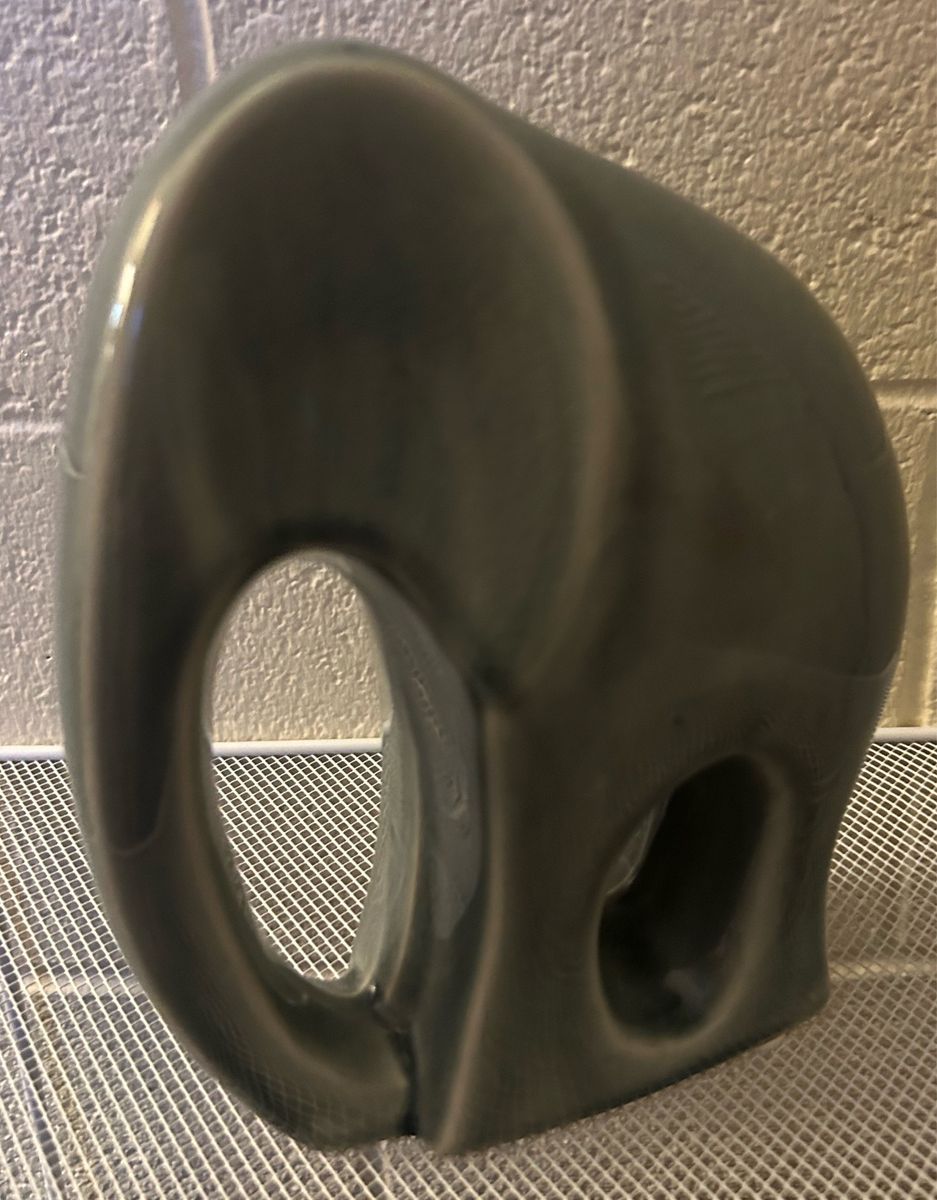
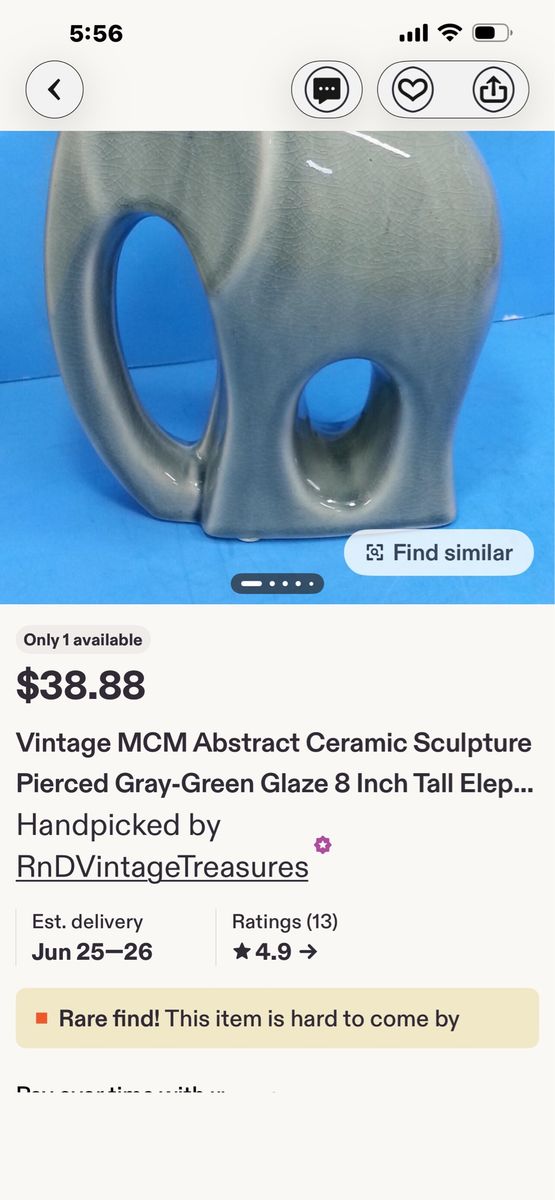
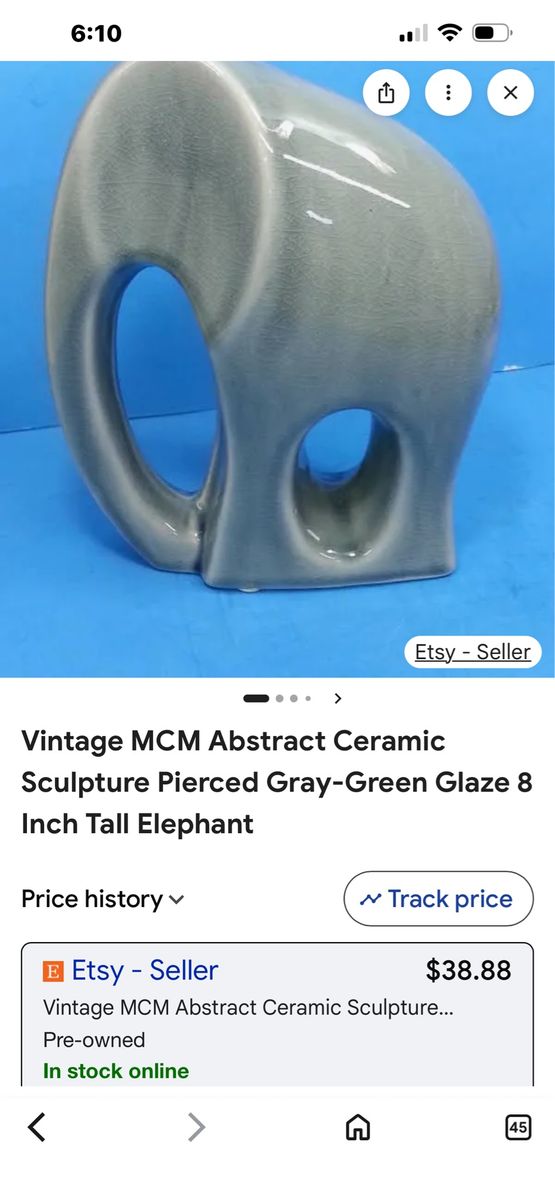
Vintage mid-century modern ceramic 8 inch sculpture abstract elephant glossy gray-green glaze. Cash Only Please
13 Hours
4
0
$20.00
Vintage mid-century modern ceramic 8 inch sculpture abstract elephant glossy gray-green glaze. Cash Only Please
Note: KSL, its service providers, and the seller receive data from this message. See our Privacy Notice and TOU for details.
You Might Also Like
Similar items from other sellers
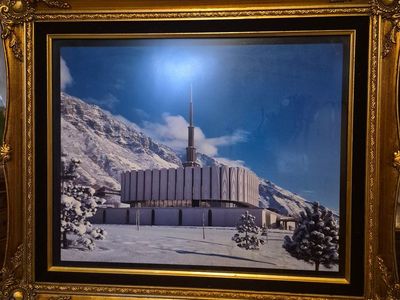
$225|PROVO UTAH TEMPLE ARTWORK
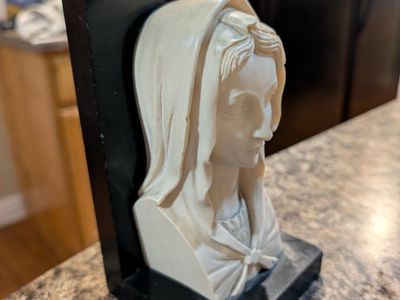
$25|Vintage Virgin Mary Madonna Bust Sculpture, Off-White on Black Base, Religious Art Decor
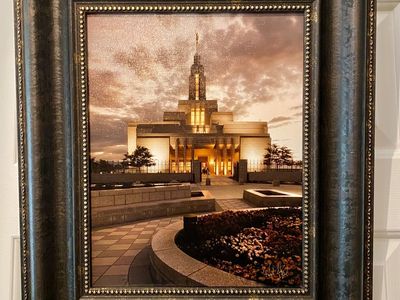
$70|Robert A. Boyd Framed Religious Artwork - Draper Temple at Sunset Canvas Print - Signed

$150|O Jerusalem Print Double Signed By Greg Olsen
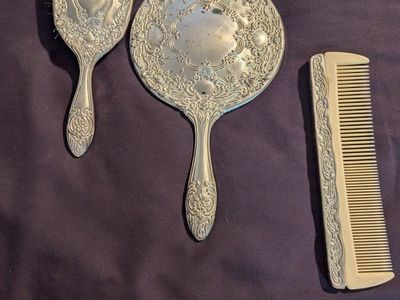
$20|Vintage Lacey & Co. Silver Plated Brush, Mirror & Comb Set - Ornate Floral Design
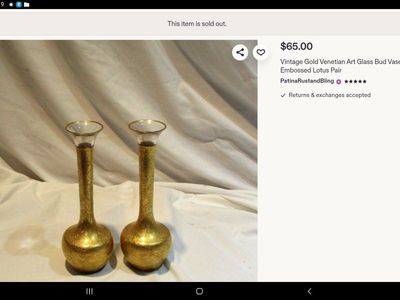
$60|Vintage Gold Venetian Art Glass Bud Vases - Embossed Lotus Pattern Pair,

$110|Al rounds painting print limited state eagle 20x36
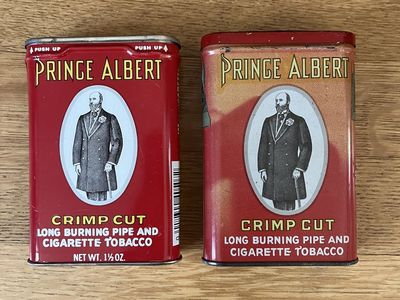
$30|Set of Prince Albert Pipe and Cigarette Tobacco Metal Tins
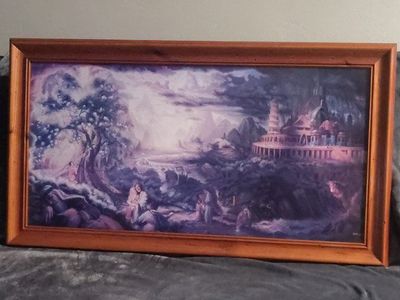
$120|Vintage Lehis Dream Tree of Life Framed Lithograph Art Print by Steven Lloyd Neal 36x18
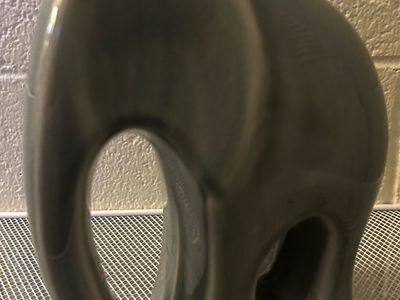
$20|Vintage mid-century modern ceramic 8 inch sculpture abstract elephant glossy gray-green glaze. Cash Only Please
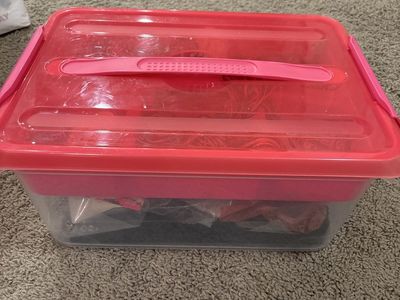
$20|Jewelry craft supplies and Clear Plastic Storage Container with Pink Lid and Handle, Versatile Craft/Organizer Bin

$35|Wooden Carved Hand Painted Atahualpa Emperor
Vintage mid-century modern ceramic 8 inch sculpture abstract elephant glossy gray-green glaze. Cash Only Please
13 Hours
4
0
$20.00
Vintage mid-century modern ceramic 8 inch sculpture abstract elephant glossy gray-green glaze. Cash Only Please
Note: KSL, its service providers, and the seller receive data from this message. See our Privacy Notice and TOU for details.
1 / 3
You Might Also Like
Similar items from other sellers
$225|PROVO UTAH TEMPLE ARTWORK
$25|Vintage Virgin Mary Madonna Bust Sculpture, Off-White on Black Base, Religious Art Decor
$70|Robert A. Boyd Framed Religious Artwork - Draper Temple at Sunset Canvas Print - Signed
$150|O Jerusalem Print Double Signed By Greg Olsen
$20|Vintage Lacey & Co. Silver Plated Brush, Mirror & Comb Set - Ornate Floral Design
$60|Vintage Gold Venetian Art Glass Bud Vases - Embossed Lotus Pattern Pair,
$110|Al rounds painting print limited state eagle 20x36
$30|Set of Prince Albert Pipe and Cigarette Tobacco Metal Tins
$120|Vintage Lehis Dream Tree of Life Framed Lithograph Art Print by Steven Lloyd Neal 36x18
$20|Vintage mid-century modern ceramic 8 inch sculpture abstract elephant glossy gray-green glaze. Cash Only Please
$20|Jewelry craft supplies and Clear Plastic Storage Container with Pink Lid and Handle, Versatile Craft/Organizer Bin
$35|Wooden Carved Hand Painted Atahualpa Emperor
