Helpful Tips
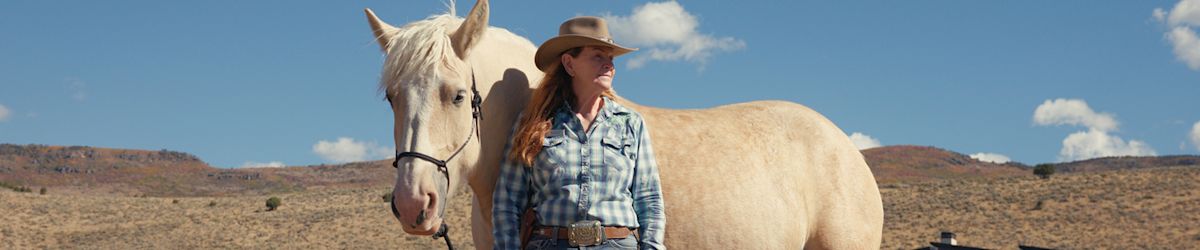
“What makes this country great,” said Heber Valley resident Bren Metzger, “is that you get to chase your dreams and often find it.” But unlike most Americans, Metzger’s dream isn’t about the future. It’s about saving a piece of the past — the critically endangered American Cream Draft horse.
“They’re considered a rare heritage breed, with less than 400 of them left in the world,” Metzger said. “Something needs to be done to help these animals thrive so that they can be part of our legacy, not just a past part of our history.”
There’s no doubt, Metzger is serious about helping save the draft horse that was literally created in America. She purchased a 5-year-old Cream in 2024 and soon started a breeding program to help build the population. “If we lose it, it's gone. We can't get it back,” she said.
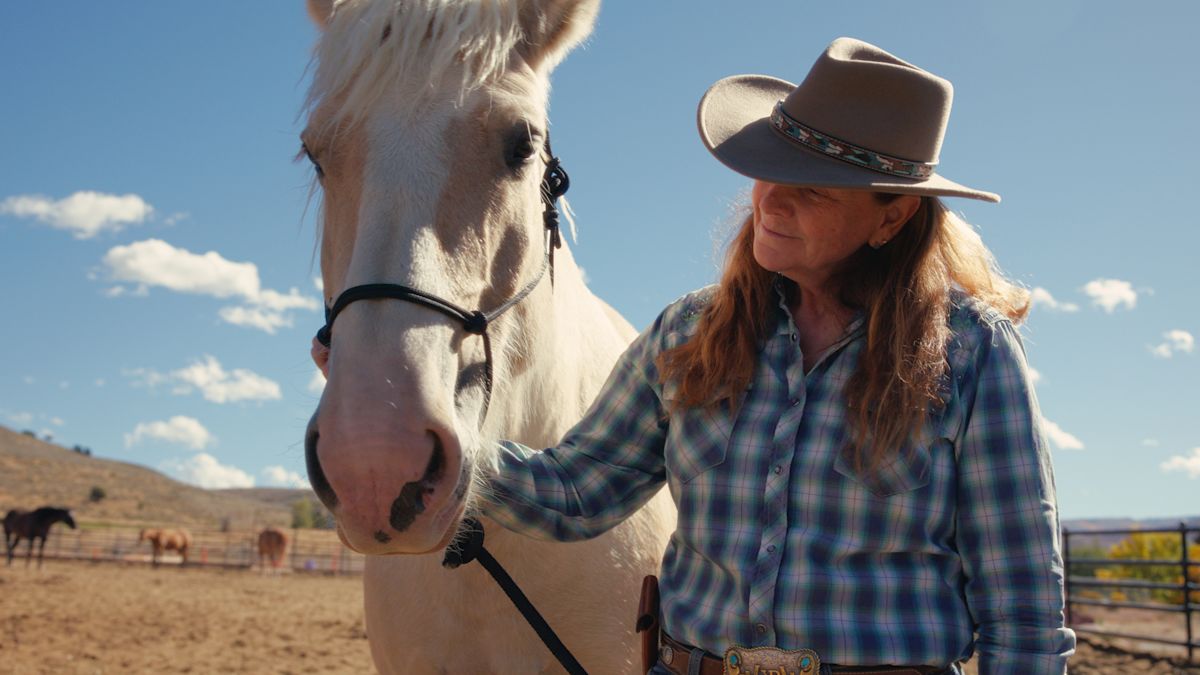
Bren Metzger, owner of KB Horses, leads her American Cream Draft horse Sunny. Photo by Chad Hurst
At KB Horses at Red Ledges, in Heber Valley, Metzger greets us clad in jeans and dusty cowboy boots, her long red hair tucked neatly under a smart cowboy hat. She’s clearly in her element as she deftly hops over a fence to greet and cajole her horses, noting the glistening coats of her Friesian/Percheron crosses and the easily recognizable Clydesdales.
She also emphatically points out the vital role horses have played in U.S. history and our responsibility to be their custodians. It’s little wonder she’s become an advocate for a critically endangered breed.
Metzger’s passion for the American Cream Draft horse began when she saw one for sale on KSL Classifieds. Although she’d worked with horses for over 30 years, “I’d never seen one before, and they had such a unique appearance,” she said.
While that specific horse wasn’t suitable for her ranch, Metzger wanted to learn more.
“And then I found this website called the American Cream Draft Horse Association, where I learned all about the breed and how endangered they were and … what a big part in our history they had played,” Metzger said. “And I just thought, man, these guys deserve a partner, a place in our legacy.”
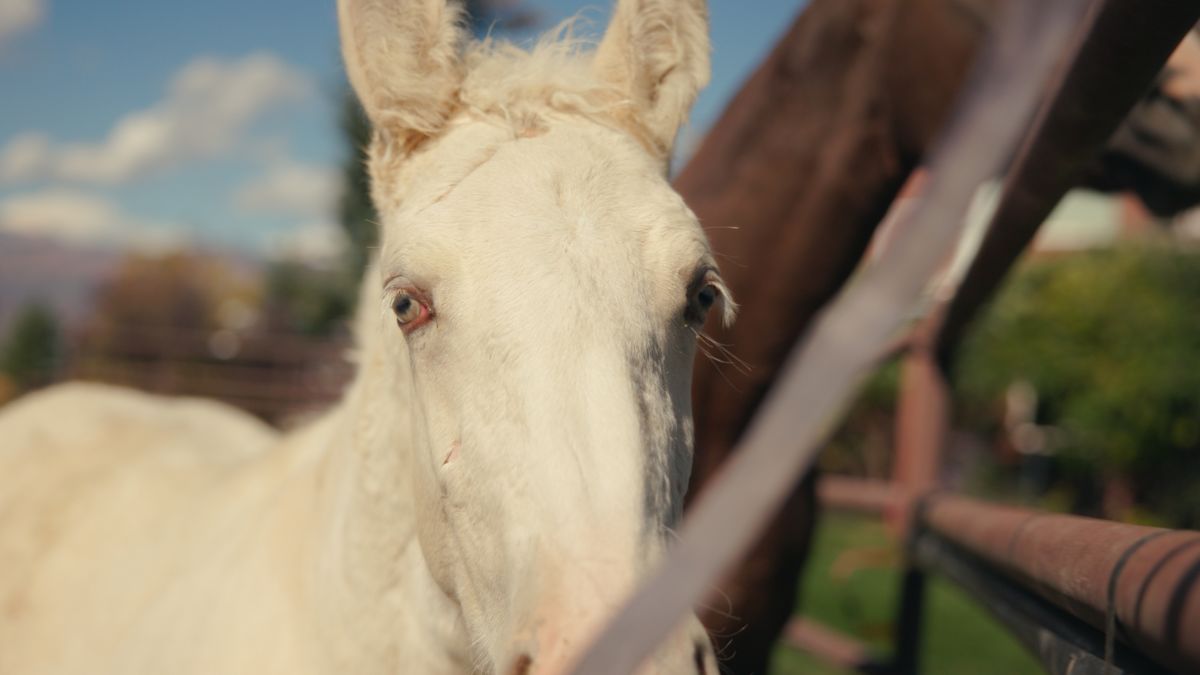
Noah, an American Cream Draft horse in Heber Valley, looks out from his corral. Photo by Chad Hurst
The first American Cream was born in Iowa in the early 1900s of a Belgian and Percheron cross. That horse, Old Granny, had a champagne colored coat and amber eyes — distinct traits of Creams. “You can always spot a Cream,” Metzger said.
The breed is also known for its remarkably calm demeanor. “They just have these beautiful, docile temperaments that make them really easy to train and work with and a joy to be around,” Metzger said. “They’re just amazing.”
Standing between 15 and 16 hands — around 5 feet — they’re shorter than most other draft horses. “They're very rideable, so that makes them super versatile,” she said. “You can use them for anything.
“They could be border patrol, they could be mounted patrol. They can be lesson horses. They can jump, they can round cattle. They can do trail rides and teach lessons,” Metzger said. “They can be ambassadors for the species, not even just for their own breed.”
In the late 1950s, the Cream population was on the uptick, and roughly 200 were registered with the American Cream Draft Horse Association. But as farmers soon turned to tractors, draft horses were no longer sought after, and the Cream numbers dwindled.
Over the years, a few families kept the breed alive, and in 1982 a group of enthusiasts began in earnest to save the horse from extinction. Today, according to the association, there are about 10 significant breeders, including Metzger. In 2024, 21 new foals were officially registered, though they estimate another 20-30 unregistered births.
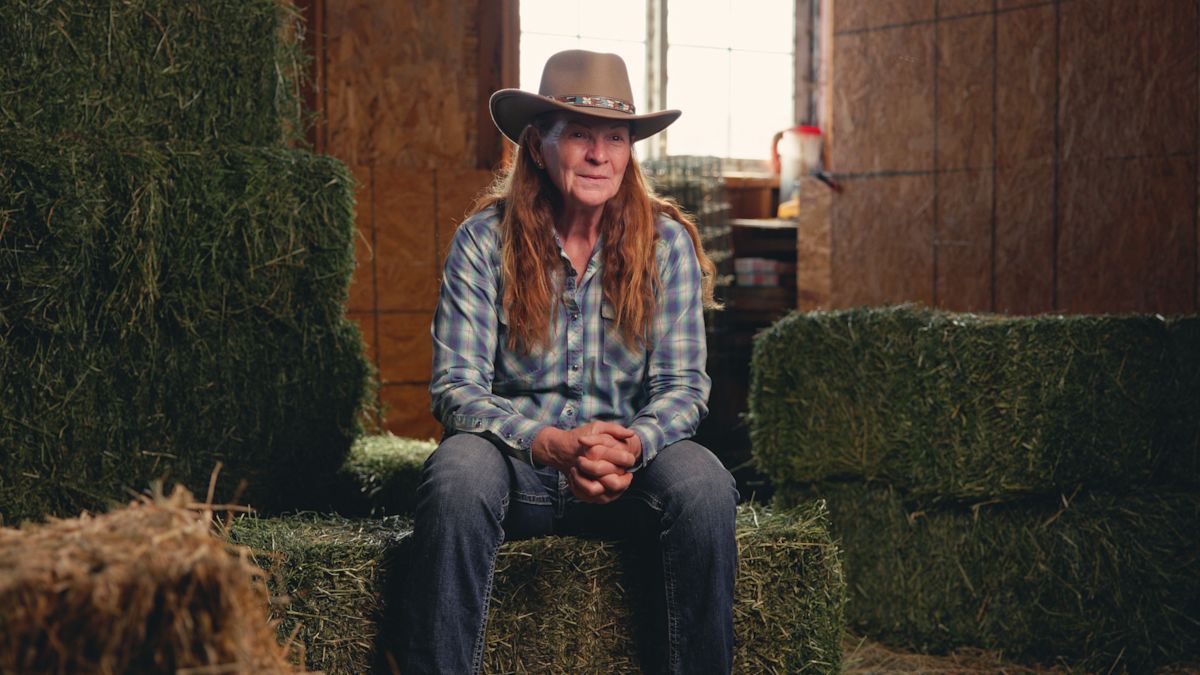
Bren Metzger, of Heber Valley, discusses her efforts to save the American Cream Draft horse, a rare horse breed that originated in the U.S. Photo by Chad Hurst
For years, Metzger searched for a Cream to buy for her ranch, but “there weren’t any because there’s less than 400 of them.” But one day, a mare named Sunny was listed for sale in Vermont. Metzger learned it was the same horse she’d tried to buy when it was a weanling, but it had already been sold — to this same family now selling Sunny.
“So for her to have come full circle back to me, it was another sign that this was meant to be, that this was what I was meant to do,” Metzger said.
Sunny arrived at KB Horses in April 2024. “I knew that the breed was critically endangered,” Metzger said. “I decided that we needed to do two things: We needed to preserve what we had, and we needed to create more of the same.”
To protect Sunny from the risk of pregnancy complications, Metzger turned to a reproductive specialist and a geneticist. Eggs were flushed from Sunny, then fertilized by an unrelated stallion using intracytoplasmic sperm injection. Three viable embryos were then implanted in three KB Horses’ surrogates at South Valley Equine in Saratoga Springs.
Metzger was ecstatic when, after nearly a year in utero, all three foals were born in June. However, that excitement quickly turned to heartbreak when two of three died due to a congenital defect.
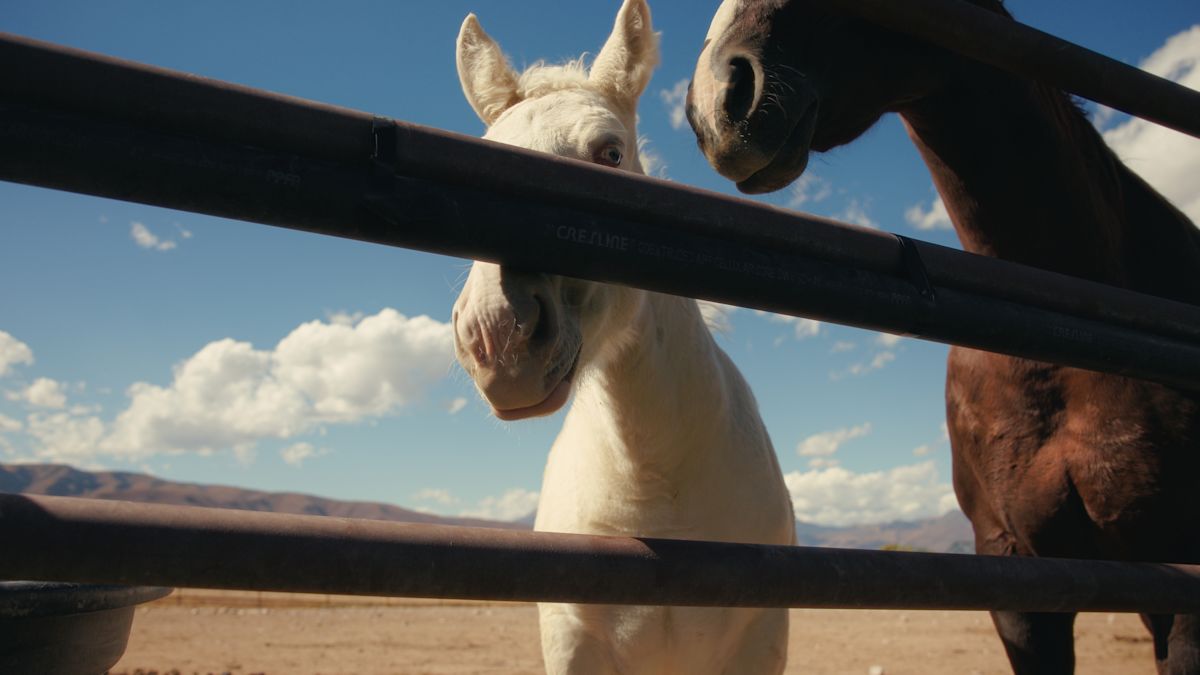
Noah, an American Cream colt, stands with his surrogate mother. They're part of a plan to build up the rare horse breed's numbers. Photo by Chad Hurst
“We lost a little filly and we lost a colt. I was devastated,” she said. “We had good genetics, we had everything that we needed to create healthy, thriving, viable horses. And for those to go nearly to term and have three live births, I didn’t think there was anything that could go wrong because we beat all the odds. And then, wham! We lost two of them.
“And I felt so bad for those two precious lives,” Metzger said, her voice brimming with emotion. “But we had one, we got one. We got Noah.” Named for the biblical prophet who saved animals, this Noah is giving his breed a chance at survival too.
“He’s an imp. He is strong and kind and funny and smart. You look at him and you think, there’s reason to hope for anything,” she said. “He’s what we’re working for.”
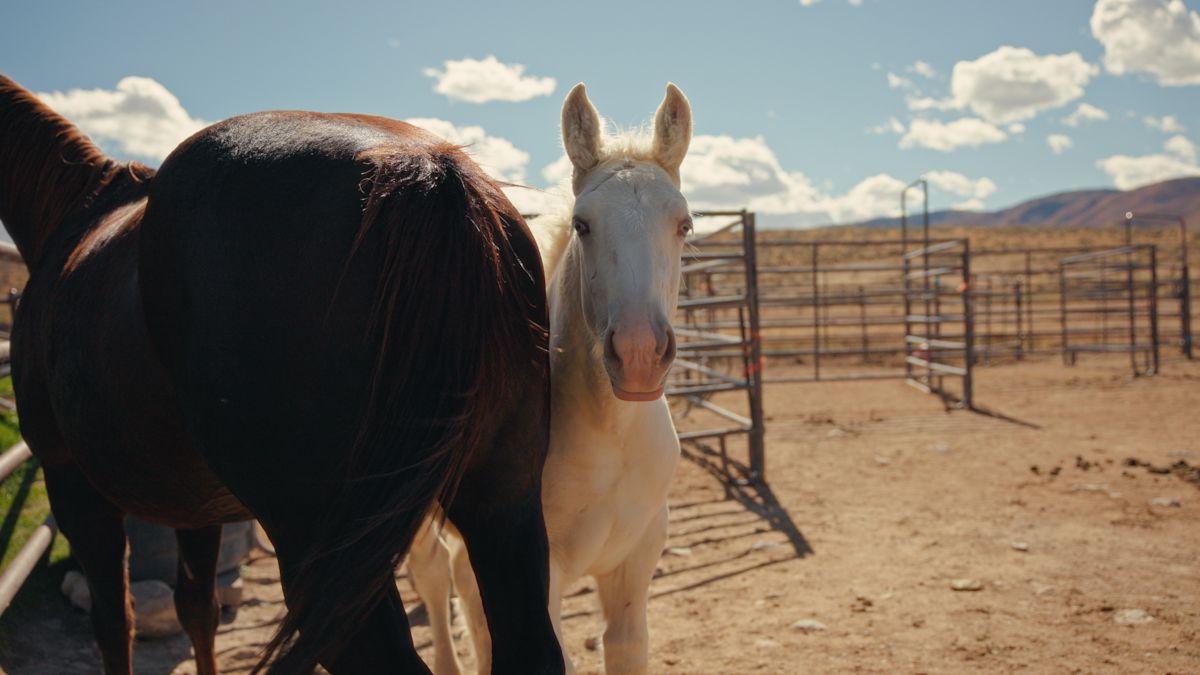
Noah stays close to his mother in Heber Valley. The American Cream colt will likely grow to about 15 hands. Photo by Chad Hurst
Metzger recently added another Cream mare and her filly to her ranch, doubling the number of American Cream Draft horses in Utah’s Heber Valley.
“Here we are eight years later, and I’m now owner of more than 1% of the breed because I have two babies and two mares,” she said. In addition, two surrogate mares at KB Horses are expected to deliver Creams in May and June of 2026.
How many American Creams would be enough to make Metzger comfortable? “Well, that's a tough question. This is such a versatile breed. They can do anything. So I think, the more the merrier,” she said.
And, they’re a part of our history. “It’s important because other countries have their draft breeds. France has Percherons, England has Shires, Scotland has Clydesdales,” Metzger said. “We have ours too.”
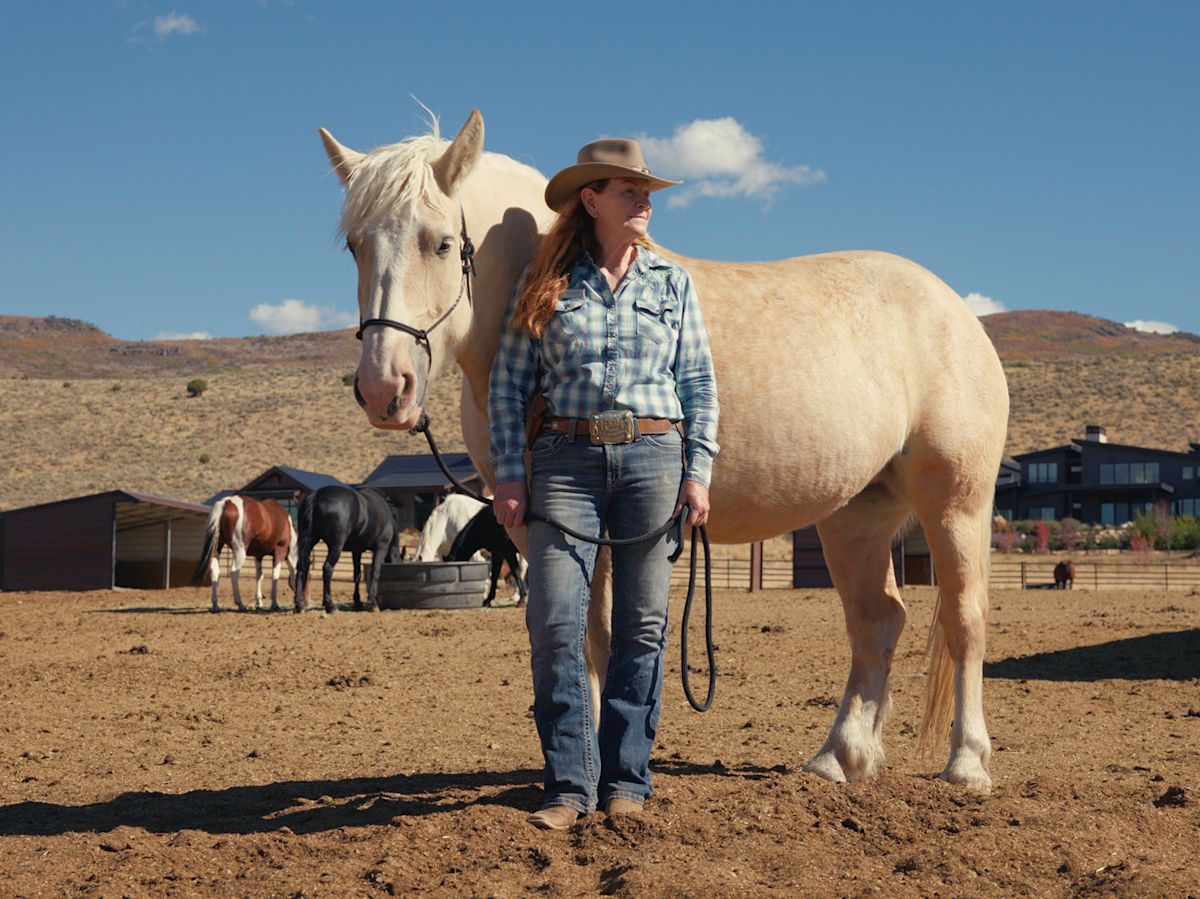
Bren Metzger stands with her American Cream mare, Sunny, at her ranch in Heber Valley. Photo by Chad Hurst
If you’d like to see the American Creams in person, you can visit KB Horses in Heber. The ranch is open from 10 a.m. to 5 p.m. every day but Thanksgiving and Christmas. You can book a guided trail ride, or just visit with the horses.
“We want you to really connect and be a partner and a participant, rather than just a passenger on their back,” Metzger said. “So, yes, please come see us.”
See Metzger share her experience in our video story here.