Pets
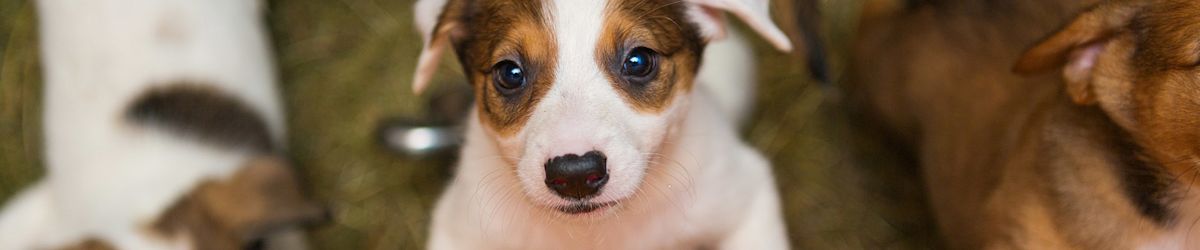
Wanting an adorable puppy for your family is a good thing, right? You’re giving a sweet ball of fur a home where it will be well-loved and cared for. But not everyone shares your good intentions. There are a few nefarious folks who see dogs solely as walking dollar signs.
In the animal rescue community, those kinds of breeders are referred to as “greeders,” said Andrea Schneider, a volunteer with Utah Doberman Rescue. She recently met with KSL Pets to discuss how these puppy mills and backyard breeders are endangering animals, and what people can do to avoid them.
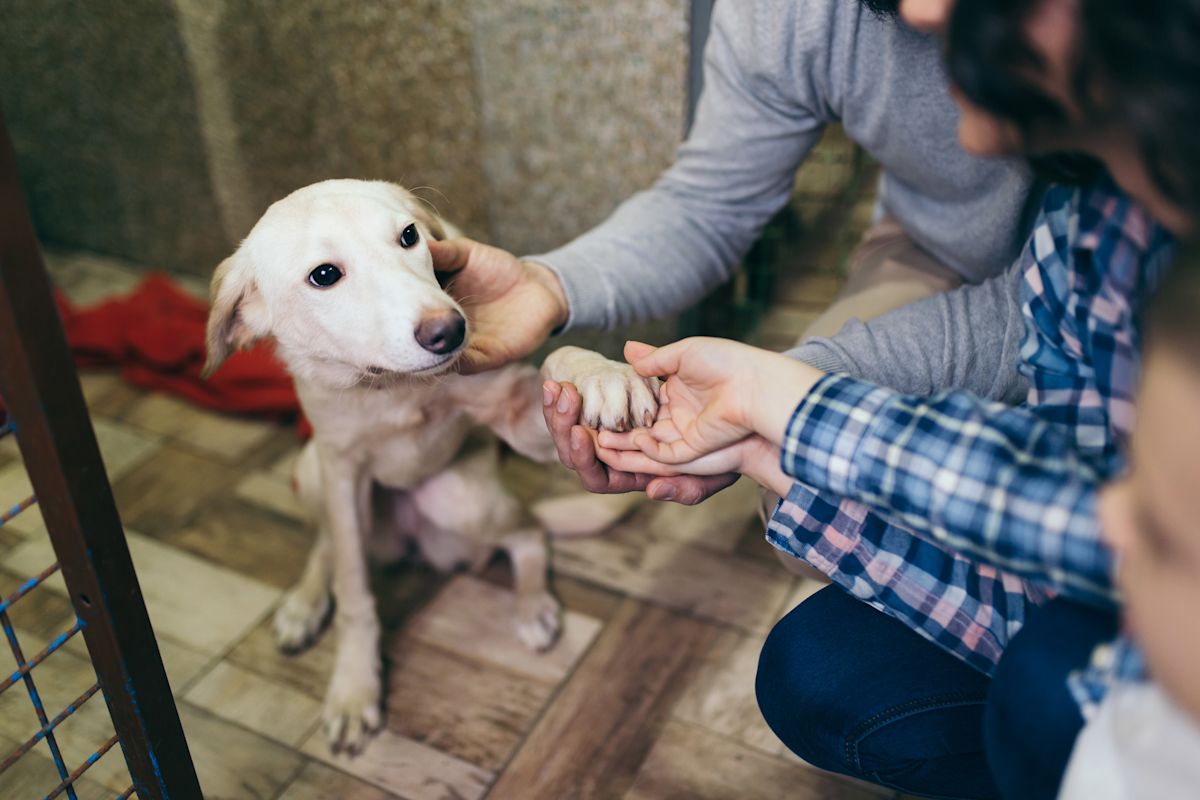
The more people who chose to adopt instead of purchase a pet, the less incentive puppy mills have to continue overbreeding.
Backyard breeders and puppy mills, also known as puppy farms, are commercial operations where people breed dogs as fast and as often as they can — all without regard for the health of the parents or the puppies. Schneider said she regrettably bought her first Doberman pinscher from such a breeder selling on KSL Classifieds in 2009.
The puppy’s irresponsible breeding quickly became evident when it developed multiple painful, hereditary health issues. Ultimately, her pup was diagnosed with dilated cardiomyopathy, an inherited and irreversible heart muscle disorder common to Dobermans.
“The (vet) told me he would last about two weeks to two months after he was diagnosed. That is what got me into rescue. I vowed to never, ever, ever again give my money to a backyard breeder,” Schneider said.
In addition to Utah Doberman Rescue, Schneider works with Idaho-based PugPals. “When I started getting into rescue, it was actually pug rescue, because I've also owned pugs for years.” Working undercover, she visited a suspected puppy farm in Logan.
There, she found dozens of puppies lying in their own waste. “Just the smell on those dogs,” Schneider said. “I had to bathe them probably three or four times to get the urine smell off of them.”
Because you can’t properly care for that many dogs, she said, “They lack human contact. They don’t get regular medical help. They don’t see vets regularly.”
These pups, “They were scared to death. All they did was hide in the corner like, ‘What are you? Don’t touch me, I’m terrified,” Schneider said. “Nobody wants to buy puppies like that.”
As a volunteer for Utah Doberman Rescue, Schneider has seen the end result of puppy mills: female Dobermans abandoned when they are no longer useful. Over the past year, she said, her organization has rescued multiple discarded dogs in the Ogden area.
Schneider said it’s obvious the animals have been used for breeding. “They’re backs are bowed, their teats are really saggy. When you see how they are, it kills you. It’s not fair.
“I don’t know who is dumping these dogs, I don’t know if they think it’s their only option, or they’re embarrassed and so they think, ‘Well, if I just go dump the dog, it’ll be somebody else’s problem to deal with, because we can’t use her anymore,’” she said.
Unfortunately, “It's really hard to get a puppy mill shut down,” Schneider said. “It's really hard. It's really hard for them (local animal control) to take it seriously.”
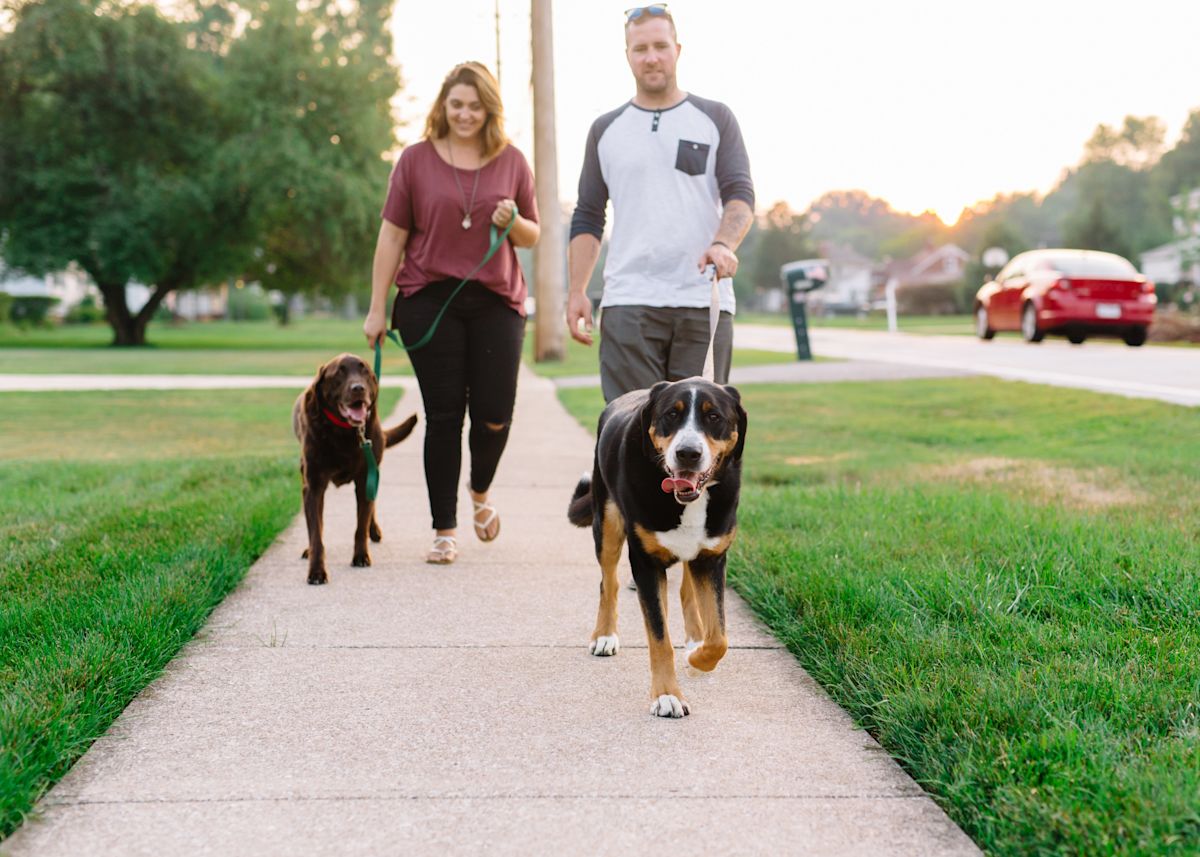
You may need to get on a waiting list for purebred dog, and that's a good sign.
If you want a purebred dog, Schneider recommends finding a reputable breeder through sites such as Doberman Pinscher Club of America. Feel free to ask the breeder for references from other families they’ve worked with.
You may need to wait a while to get your pup, because responsible breeders usually have a waitlist. While dogs can have puppies up to three times per year, “Legitimate breeders have one litter per year, if that,” Schneider said.
If you see puppy listings from the same seller frequently on KSL Classifieds or another site, you’re likely dealing with a backyard breeder. “If they’re posting two, three, four times a year for puppies, that’s a red flag to me,” Schneider said. She said the same goes for people you regularly see selling puppies in front of stores or in parks.
And while the cost for a properly bred puppy may be more upfront, you’ll likely save on vet bills — and heartache.
A proper breeder will always have proper paperwork, including the parents’ pedigree and health history. You should also receive papers for your own pup, including:
Signed documentation with the breeder’s name and address.
Dog’s birth date, sex and color.
A statement that the pup is free of disease or defects.
Vet record including immunizations, as well as a list of any known ailments and how they’ve been treated.
Puppy mills, on the other hand, won’t provide that information. In fact, Schneider said, they likely don’t check for any potential issues before breeding. As a result, you could be taking home an unhealthy pup like she did.
As a buyer, it’s wise to do some research before meeting with a breeder to determine which types of health tests should have been performed, she suggested. Then when you meet, you can ask about them.
“If the breeder can’t answer,” Schneider said, “that’s a red flag too, because they’re just breeding willy-nilly.”
An ethical breeder will also consider the temperament of the parents, she said. Dogs who are aggressive, for example, are not chosen for breeding.
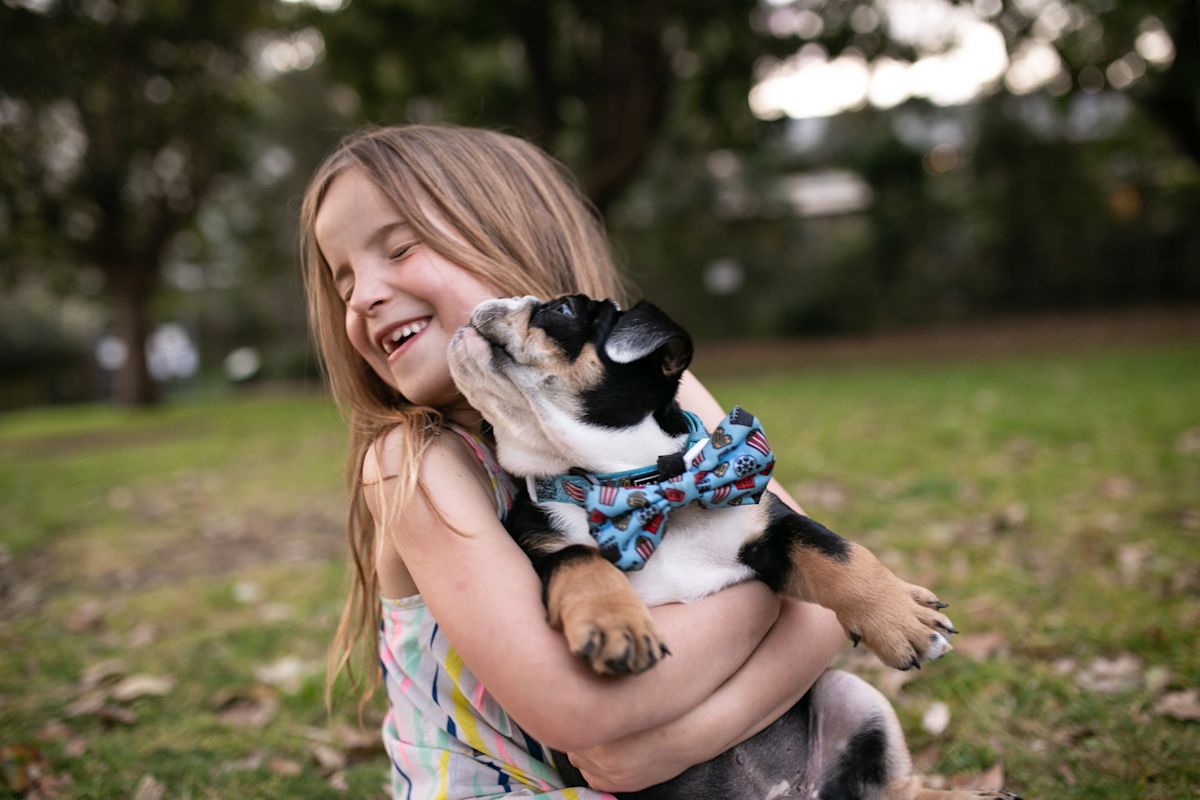
Puppy mills don't care about the physical or social needs of the dogs they breed.
When you’re buying a dog, you should be able to see where it lives and meet the parents. If a seller suggests you meet somewhere else — a park or a parking lot, for instance — steer clear.
“If they refuse to let you meet the parents, run. It's a puppy mill,” Schneider said, “because they don't want you to see those conditions the dogs are living in.” Responsible breeders, on the other hand, encourage frequent visits.
“And this probably goes for every purebred,” she added, “one of the biggest things is — and I know this sounds silly — but, are the parents titled? Do they have any show titles or obedience titles? Any temperament titles?”
Buying a puppy from a legitimate breeder means they may have some questions for you, too. Schneider said they want to make sure their puppies are going to a responsible home.
“Legitimate breeders will do home checks,” she said. “And they will take a dog back if you can’t keep it. They will guarantee their health for at least a couple of years. And they make you sign contracts that you’re not going to breed the dog.”
Poor breeders only make money when people are willing to buy their puppies. One way to help the pet community is to adopt instead when you can.
“One of the things I’m really passionate about,” said Mitch Blackhurst, senior director of business at KSL, “is trying to figure out how to increase the awareness of adoptions. That’s probably the No. 1 topic of my concerns right now.”
To make it easier for families to find adoptable pets, KSL Classifieds doesn't charge animal rescues and shelters a listing fee for their animals. Through Petfinder, the groups can update their current adoptees daily.
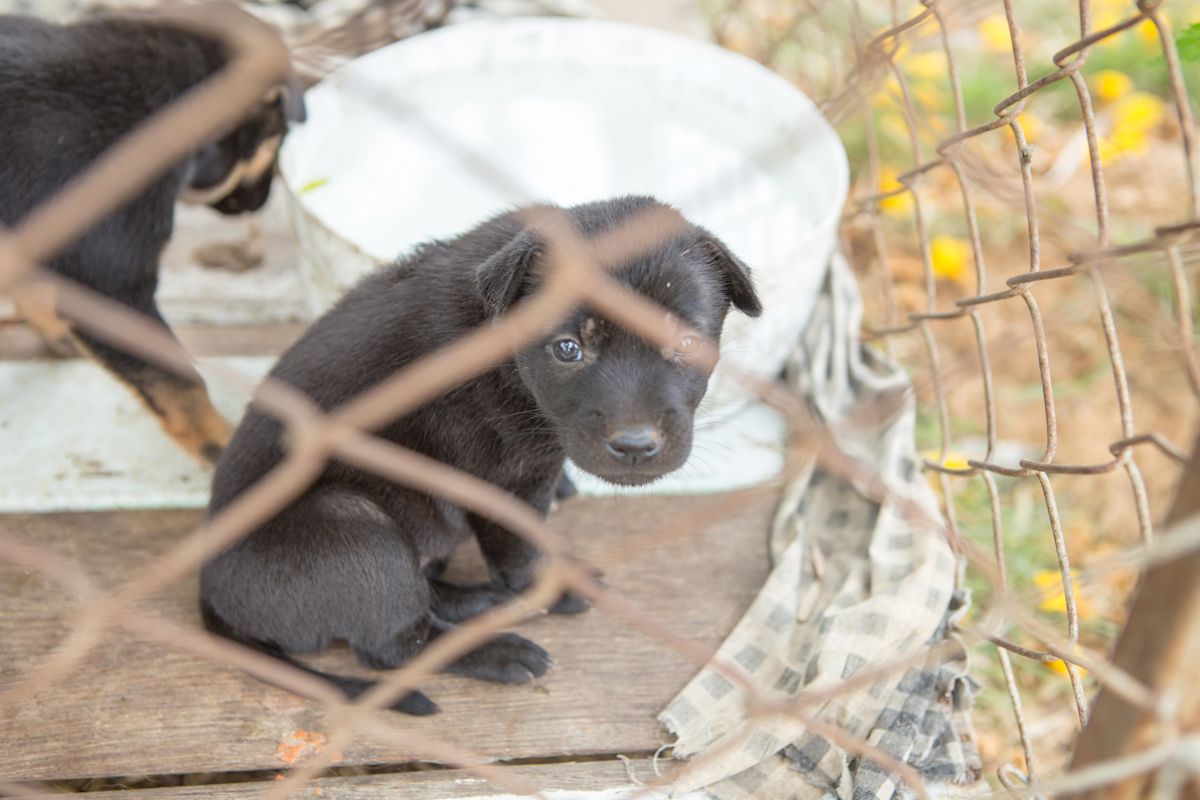
Ask to meet the puppy's parents where they live, so you can see how well they are taken care of.
When Schneider sees online ads, she studies them closely for potential signs of a puppy mill. “[In] one of the pictures … there was clearly a dog in the background that already just had puppies, and they’re advertising for more puppies.”
In another ad, she saw a scar on the nose of a male dog — a sign of prolonged muzzle use. Although not always the case, it could suggest an aggressive dog. When used properly, Schneider said, a muzzle should never leave a scar.
You can help KSL discourage unethical breeders by paying close attention to pet listings you see. If something seems amiss, please flag the listing to let our customer support team know.
KSL knows that having a place for people to offer pets for sale or adoption is a big responsibility. That’s why we’ve worked with local animal rescue agencies to make KSL Classifieds a safer place.
We’ve instituted a fee for dog and cat listings in an effort to deter unethical pet sellers. We use a portion of those funds to support initiatives and sponsor special events with local animal shelters. Those have included free pet adoption days with the Humane Society of Utah and Strut Your Mutt with Best Friends Animal Society.
You’ll find helpful tips for pet owners, or anyone interested in helping the pet community, on the KSL Pets Resource page. If you’re thinking about adopting or fostering a pet, we have suggestions to help you prepare.
“It’s really important to us as a company to make our platform as safe as possible,” said Tiffany Rhodes, marketing director. “And part of that is educating users to know what to look for.”
From deciding which breed of dog you should adopt to puppy training advice, we’ve got you covered. Our staff even put together a list of favorite pet products. We’re continually striving to bring families and pets together safely.
Find pet advice on KSL Classifieds Resources